Air Compressor Filter Guide: Intake, Inline, and Oil
Every air compressor filter on your machine has one job: keep contaminants out of the places they cause damage. Get the filtration right and your pump lasts longer, your tools run cleaner, and your finishes come out without water spots or oil specks. Get it wrong and you pay for it in worn components and ruined work. This guide breaks down the three filter families you deal with, the intake filter, the inline filters, and the oil filter, and tells you when to clean or replace each one.
The intake filter: protecting the pump
The intake filter, sometimes called the inlet filter, sits at the very front of the system. It cleans the ambient air before it ever reaches the compression stage, pulling out dust and larger particles so they cannot score cylinders, foul valves, or chew up the screw element inside a rotary machine.
Because it faces the outside world, the intake filter takes the brunt of the dirt. In a dusty shop or a job site it clogs faster than you would expect, and a clogged intake filter starves the pump of air, makes it work harder, and drives up your energy use. Most intake elements are paper or foam. Foam types can often be washed and reused; paper elements are usually replaced. Inspect it often and keep a spare on the shelf.
Inline filters: cleaning the air you actually use
Inline filters sit downstream, after the air is compressed, and their job is to clean the compressed air before it reaches your tools or process. This is where you remove the moisture, oil, and fine particles that would otherwise wreck a spray finish, contaminate a food or medical process, or rust the inside of your air tools. There are three main types, and they are often stacked in sequence from coarsest to finest.
- Particulate filters trap solid particles such as rust, scale, and dirt carried in the airstream. They are the coarse first stage.
- Coalescing filters remove oil mist, aerosols, and very fine particulate. They work by catching tiny droplets in layers of fine media, where the droplets merge and grow until they are heavy enough to drain to the bowl. This is the filter that matters most for clean, oil-free air at the tool.
- Adsorber (activated carbon) filters remove oil vapor and odors by bonding the vapor to the carbon media. These are used where you need genuinely odor-free, vapor-free air, such as breathing air or certain finishing work.
Match the filtration to the work. General air tools tolerate a particulate filter and a water trap; spray painting and sensitive processes want coalescing and often carbon stages. Note that filtration removes carried-over moisture, but it does not dry the air the way a refrigerated or desiccant dryer does.
The oil filter: only on lubricated machines
The oil filter is different from the two above because it filters lubricating oil, not air. It only exists on oil-lubricated compressors, such as most rotary screw units and many oil-lubed reciprocating pumps. It keeps the circulating oil clean so the oil can protect bearings and the compression element. Oil-free compressors have no oil filter at all.
If your machine is oil-lubricated, the oil filter is part of the same service routine as the oil itself. For more on choosing and changing the lubricant, see our guide to air compressor oil.
When to clean or replace each filter
Replacement intervals depend on how hard and how dirty your machine runs, so treat any figure as a starting point and adjust to your conditions.
- Intake filter: inspect frequently, especially in dusty environments. Clean washable foam elements and replace paper ones once they are loaded. Twice a year is a common baseline for light use.
- Inline filters: the best guide is the pressure drop across the filter. As an element loads up, it restricts airflow and the pressure differential rises; a noticeable increase means it is time to change. Coalescing and high-efficiency elements generally cannot be cleaned, so they are replaced, not washed.
- Oil filter (rotary screw): a common manufacturer interval is roughly every 2,000 running hours for oil and oil filter, with the oil-air separator changed far less often, often around every 8,000 hours. Always follow your machine’s manual over any generic figure.
The single most useful habit is watching the pressure differential on your inline filters. A filter that restricts airflow costs you both performance and electricity long before it fails outright. Understanding your machine’s ratings helps here, and our explainer on air compressor specs covers what those numbers mean.
For manufacturer-level detail on maintaining filtration, Quincy Compressor’s filter maintenance guide is a solid reference.
Frequently asked questions
What is the difference between an intake filter and an inline filter? The intake filter cleans the ambient air before compression to protect the pump. The inline filter cleans the compressed air after compression to protect your tools and process. One guards the machine’s internals; the other guards the quality of the air you use.
How often should I change an air compressor filter? It depends on use. Inspect the intake filter often and change or clean it when loaded, with twice a year as a light-use baseline. For inline filters, watch the pressure drop and replace the element when the differential rises noticeably. On rotary screw machines, oil and oil filters are commonly changed around every 2,000 hours, but follow your manual.
Can air compressor filters be cleaned and reused? Some can, some cannot. Washable foam intake elements can often be cleaned and reused; paper intake elements are usually replaced. Coalescing and high-efficiency inline elements generally cannot be cleaned and must be replaced when spent.
Do I need a coalescing filter? If you need oil-free, clean air, such as for spray finishing, sensitive processes, or protecting precision tools, a coalescing filter is what removes the oil mist and fine aerosols. For rough air tools that tolerate some carryover, a particulate filter and a water trap may be enough.
Does an air compressor filter remove water? Inline filters remove carried-over liquid water and aerosols, which helps, but they do not dry the air. To genuinely lower the moisture content you need a refrigerated or desiccant air dryer in addition to filtration.
More from Air Compressor Mag
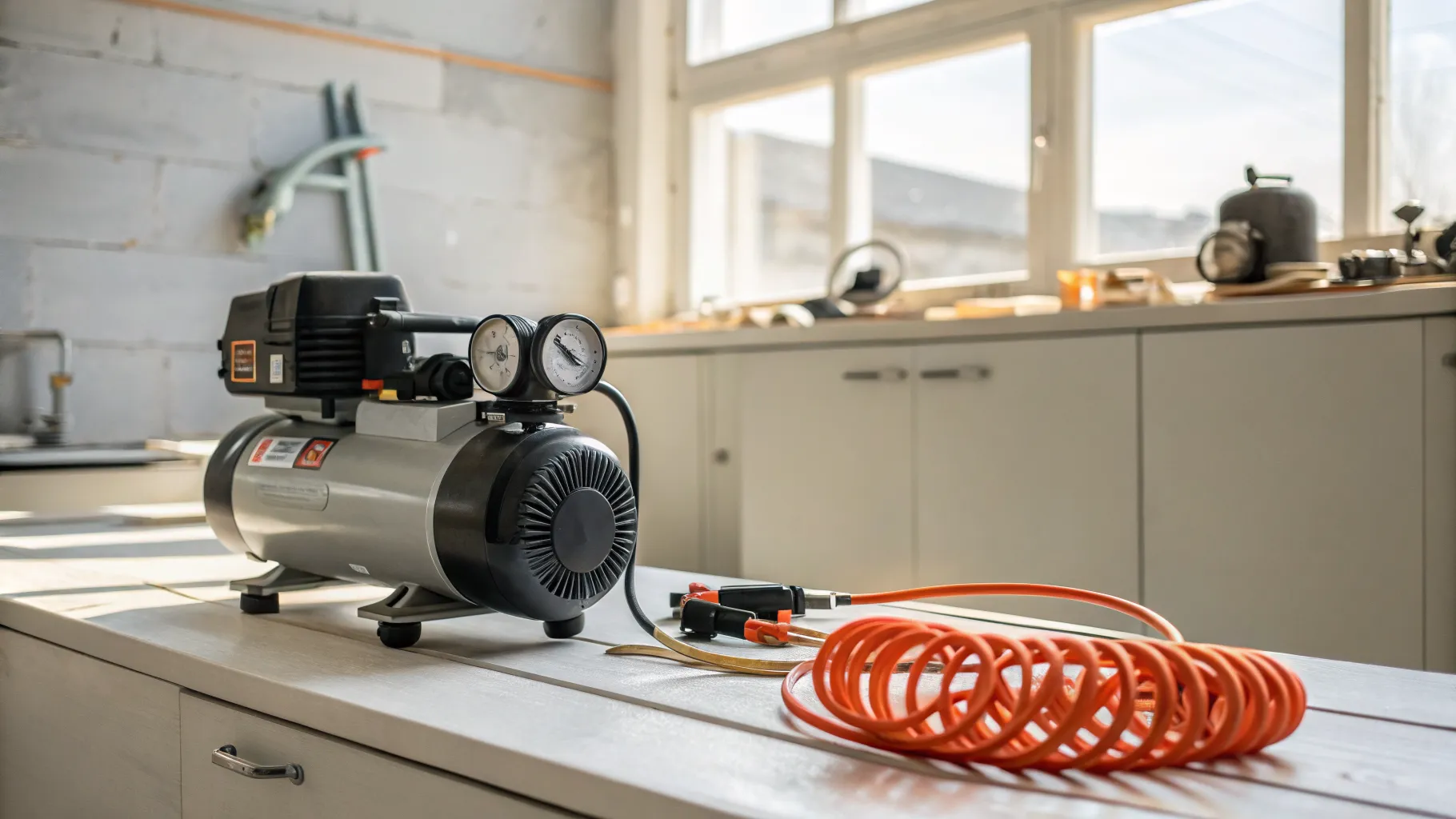
Best Portable Air Compressors: Picks by Job (2026)
Real portable air compressor picks by job, from tire inflation to framing, with the CFM at 90 PSI, tank size, and noise specs that actually decide it.
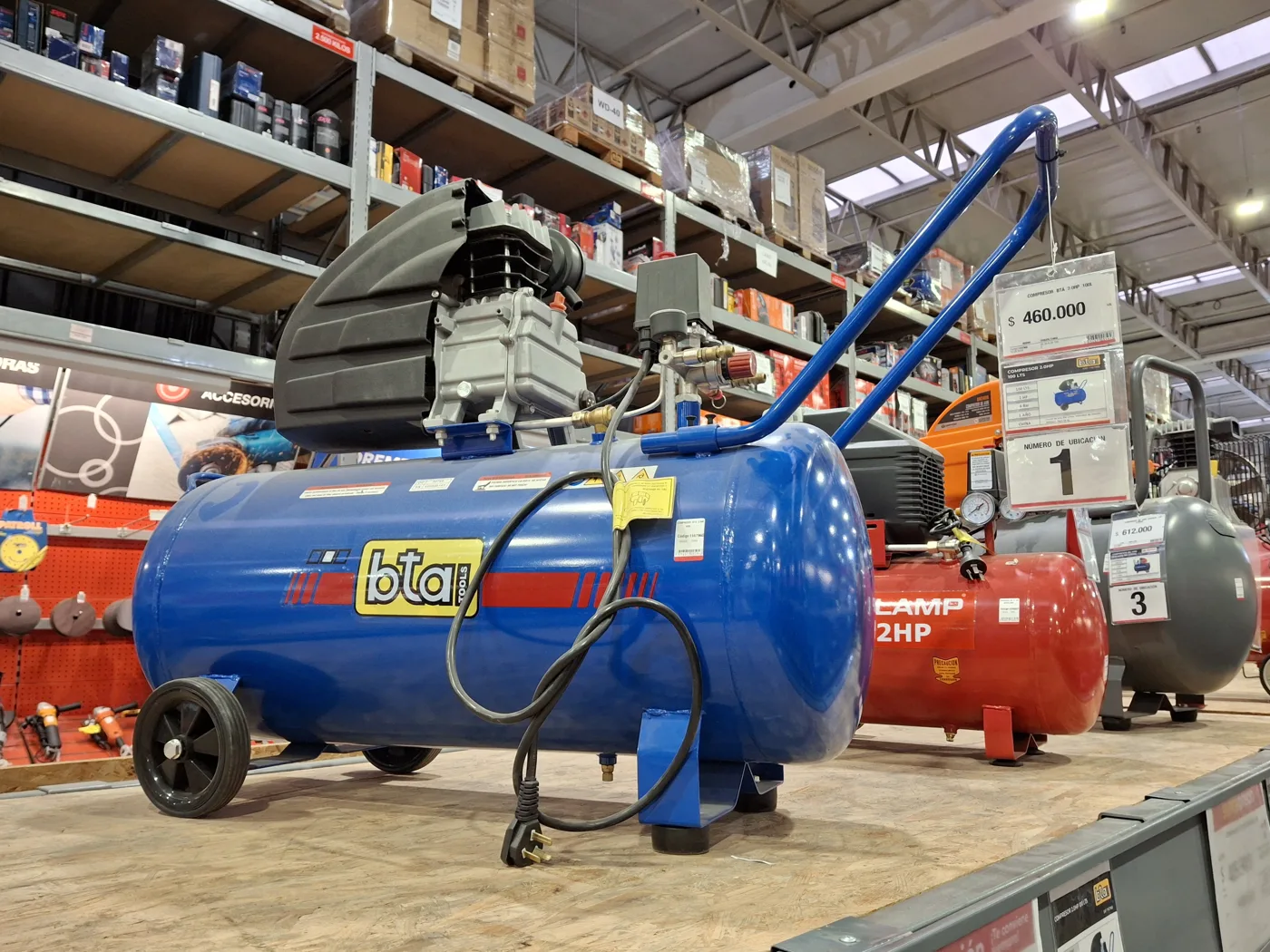
CFM Explained: How to Choose a High CFM Air Compressor for Your Tools
How to read CFM ratings and pick a high CFM air compressor: the 90 PSI standard, SCFM, a tool chart, and when you need 10, 20 or 50 CFM.
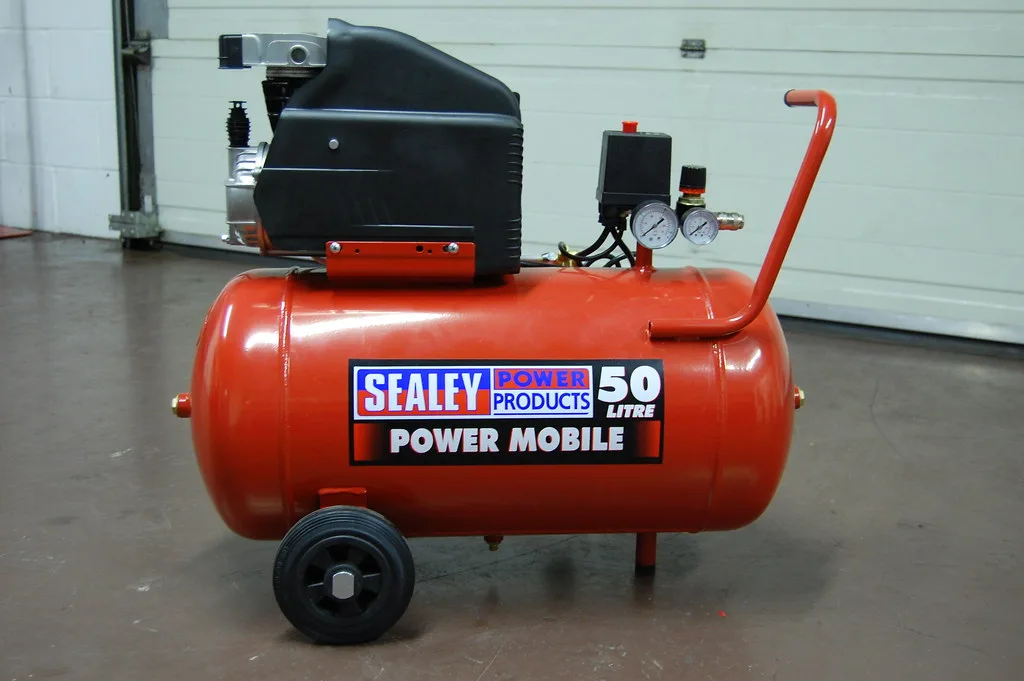
Best 30 Gallon Air Compressors for Workshops
The best 30 gallon air compressor picks for a home workshop, compared on CFM, max PSI, single-stage pumps and 120V wiring so you match the unit to your tools.