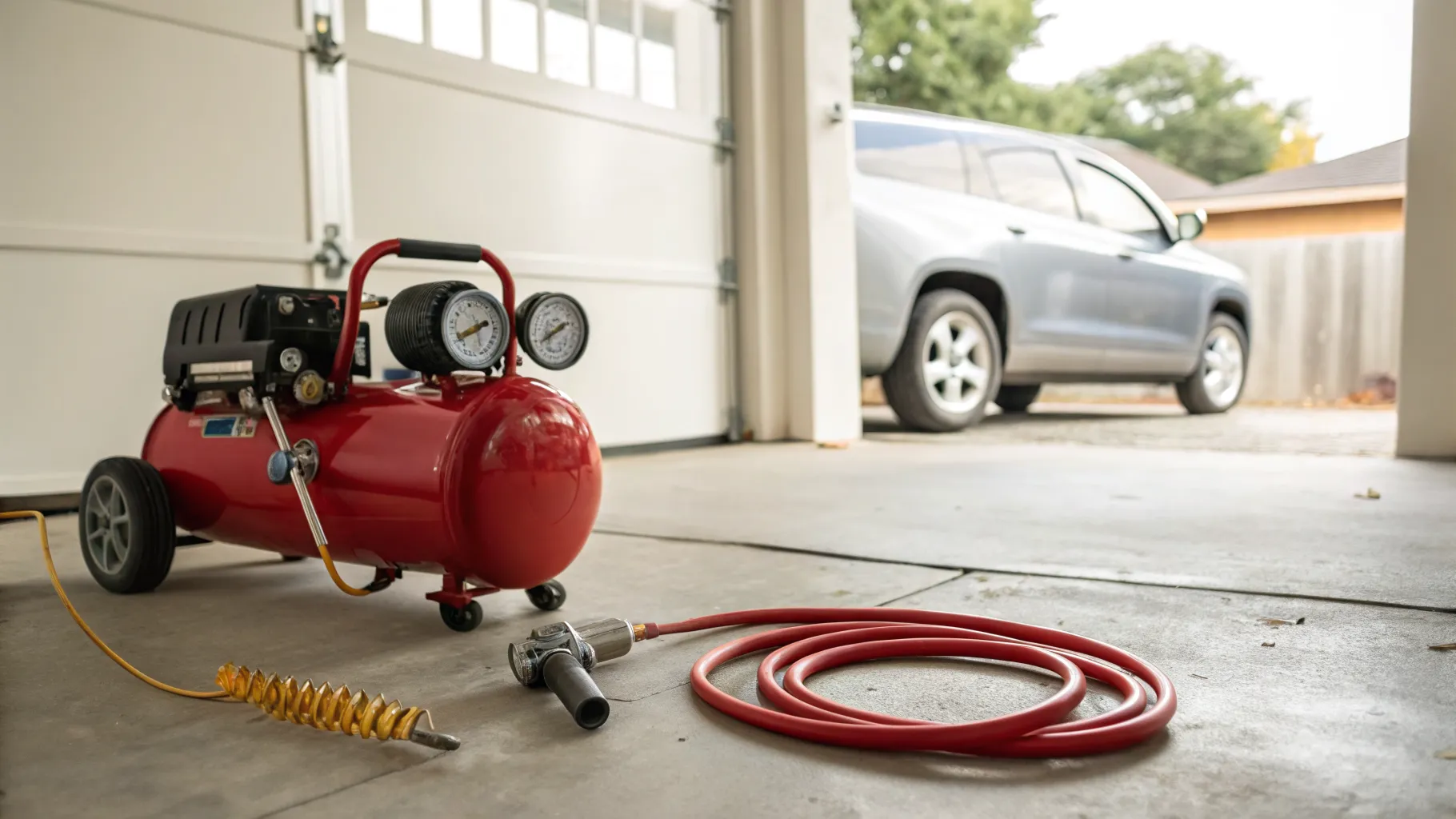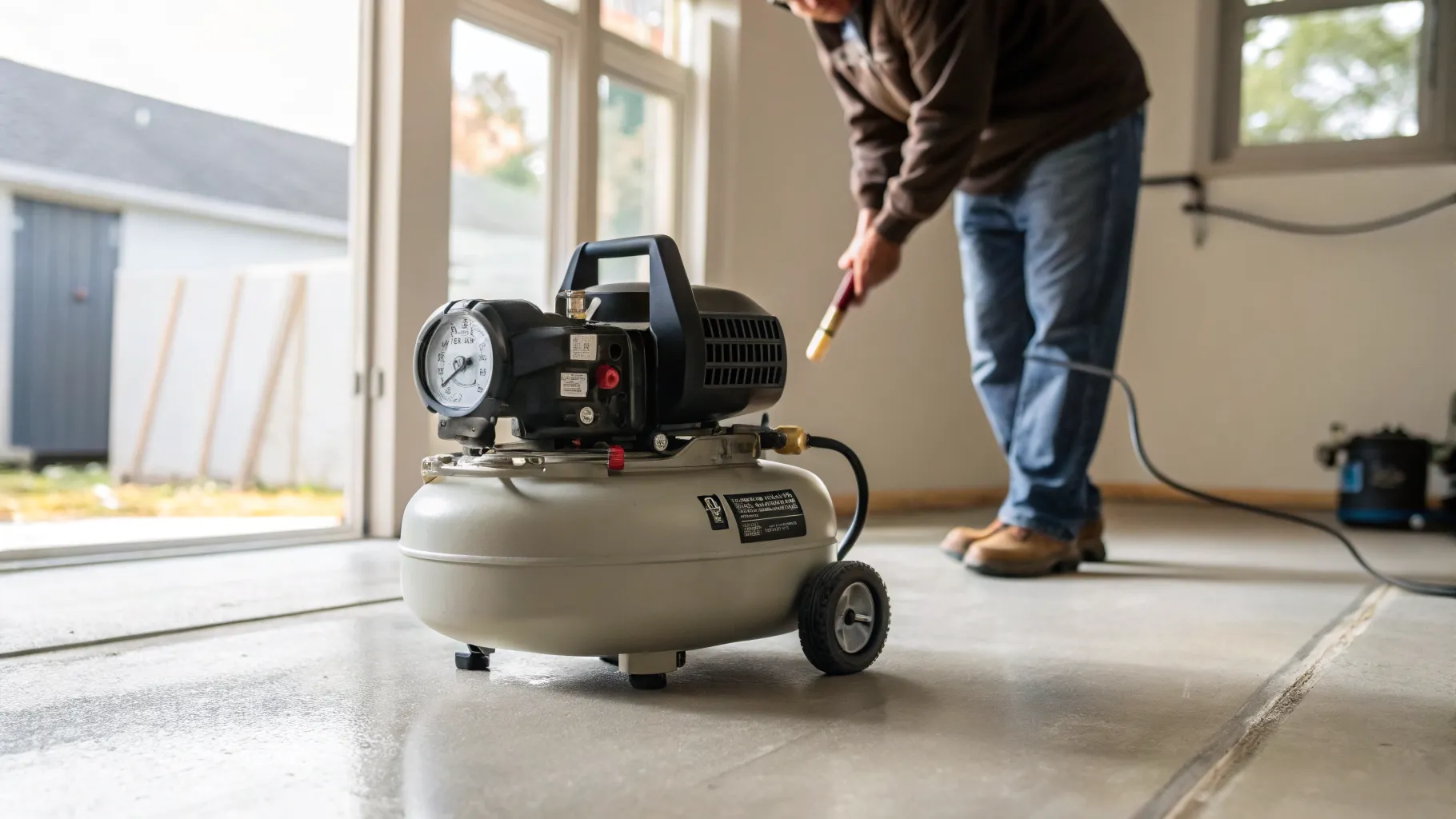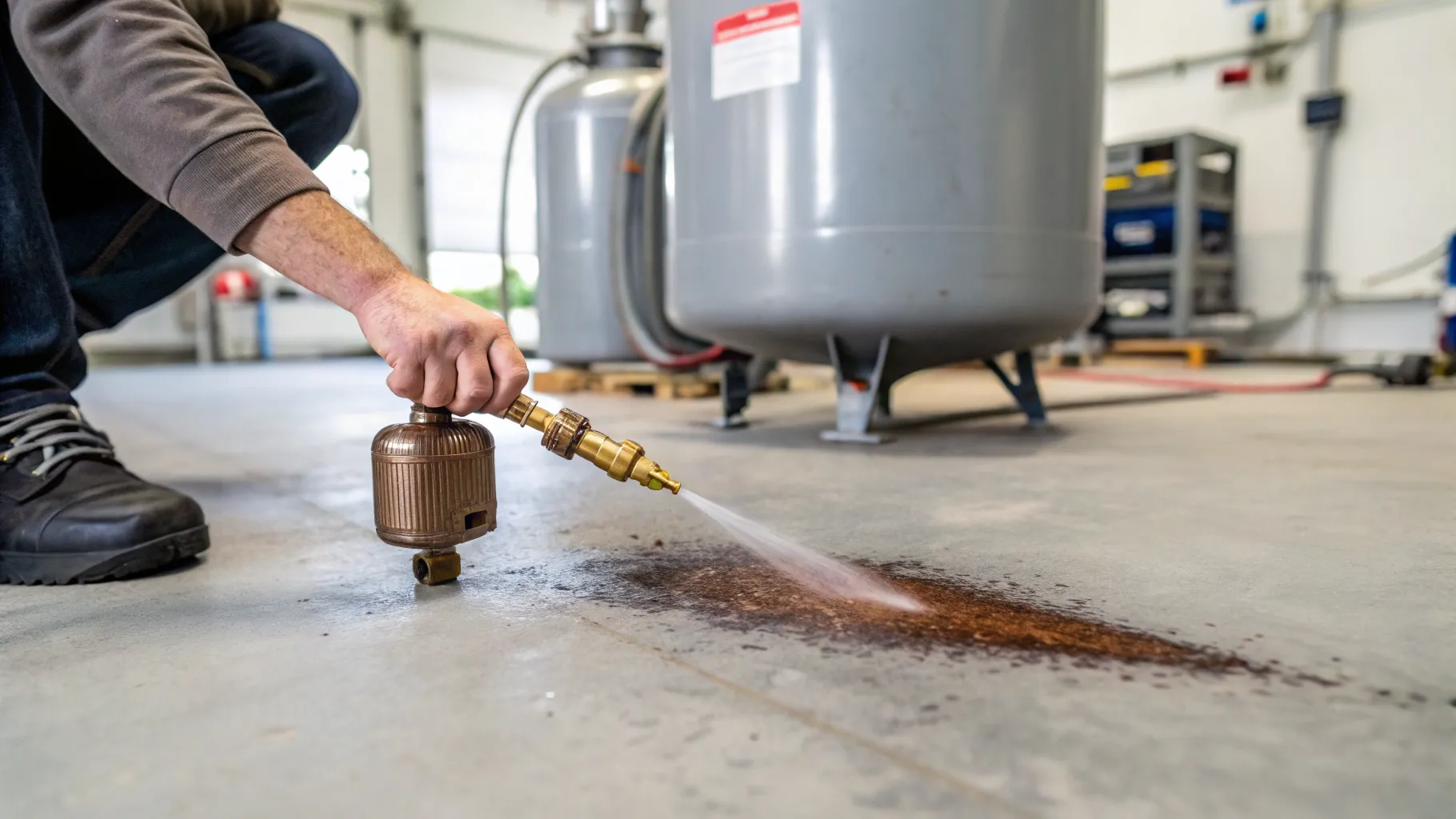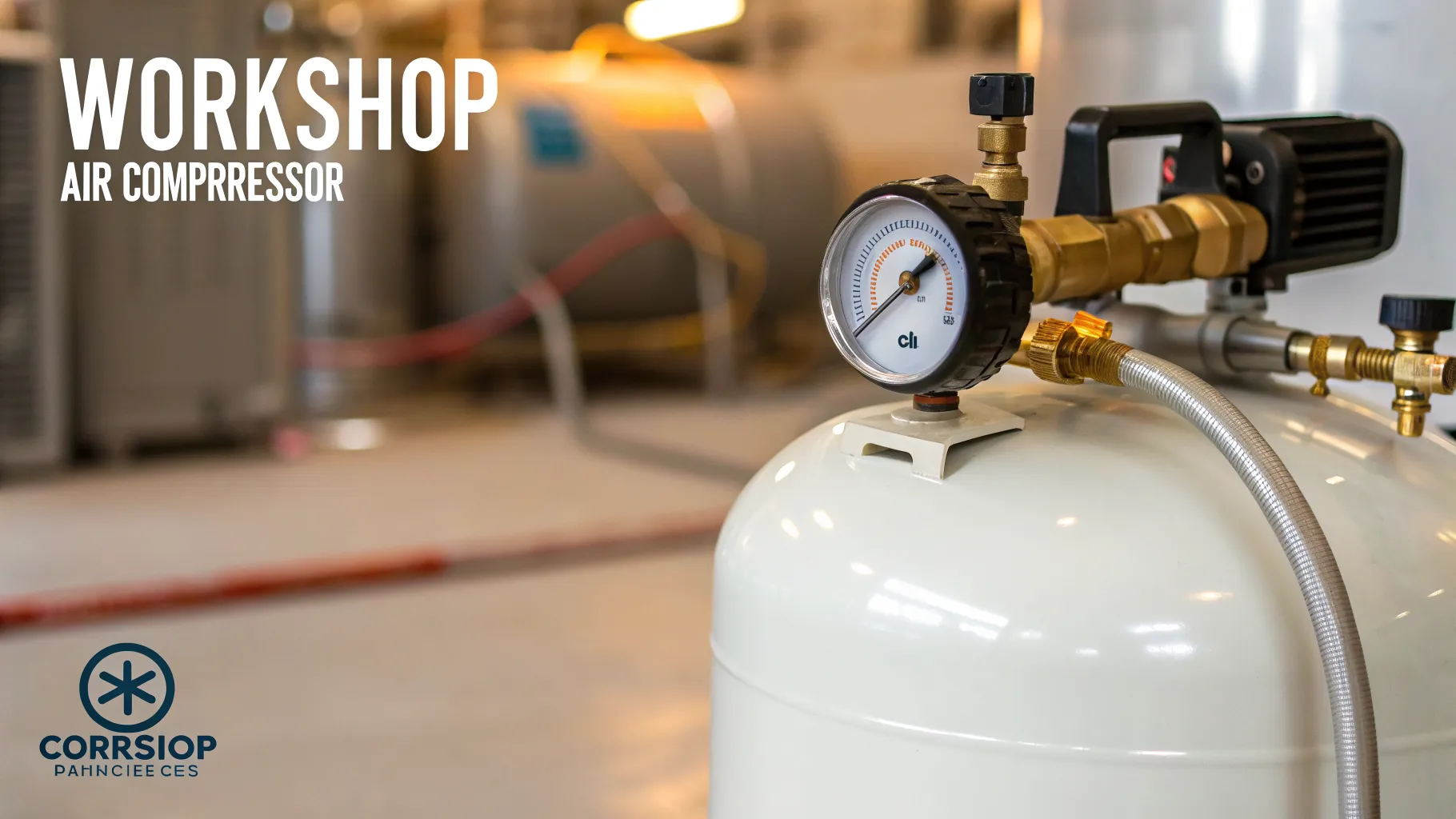
Best Portable Air Compressors: How to Choose in 2026
Buying Guides

Best Portable Air Compressors: How to Choose in 2026

A practical guide to choosing a portable air compressor, by job type, with the specs that actually matter and the ones you can ignore.

Read more →

Latest

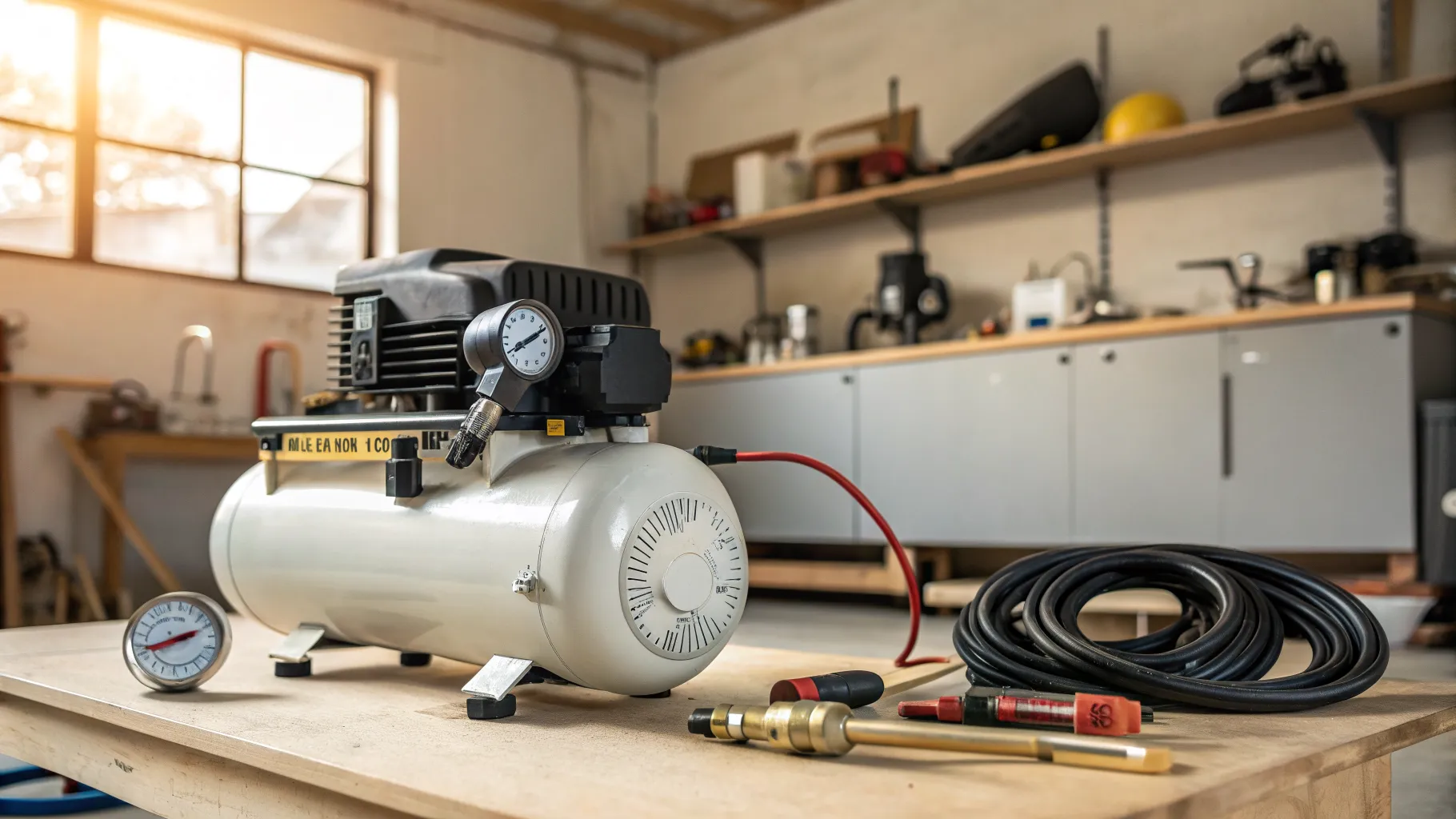
Buying an air compressor sounds simple until you start shopping. Suddenly you are weighing CFM against PSI, gallons against horsepower, and oil-free against oil-lubricated, all while the listings shout numbers that may or may not matter for what you actually want to do.

Our job is to cut through that. Every guide here is written to answer one real question, in order: what do you need, which model fits, and how do you keep it working. No spec-sheet copy-paste, no filler.

Start with the job, not the machine

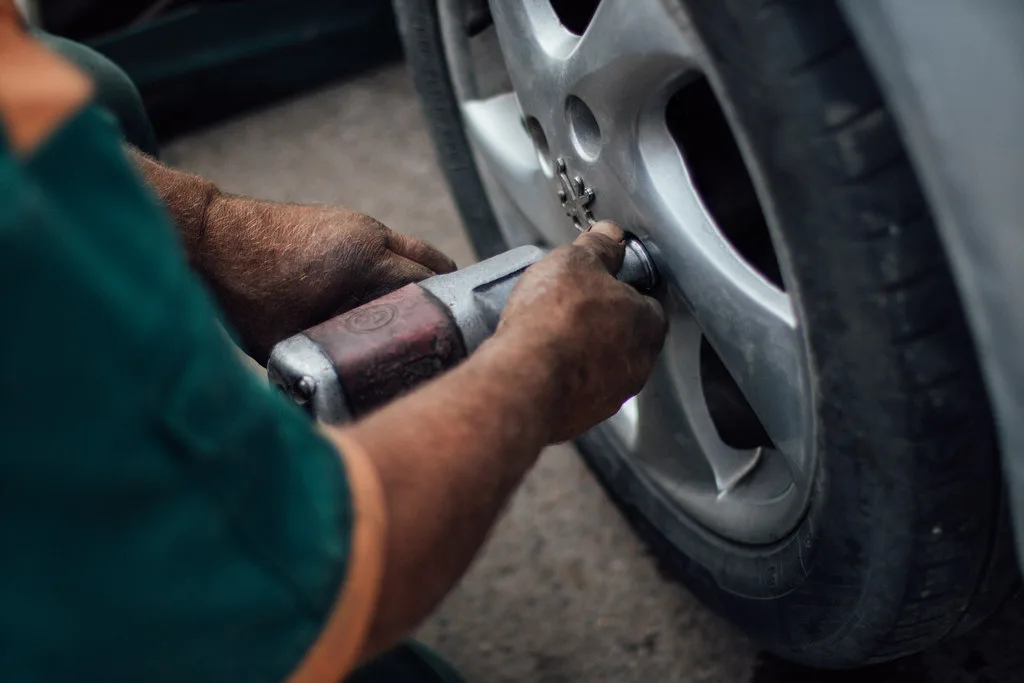
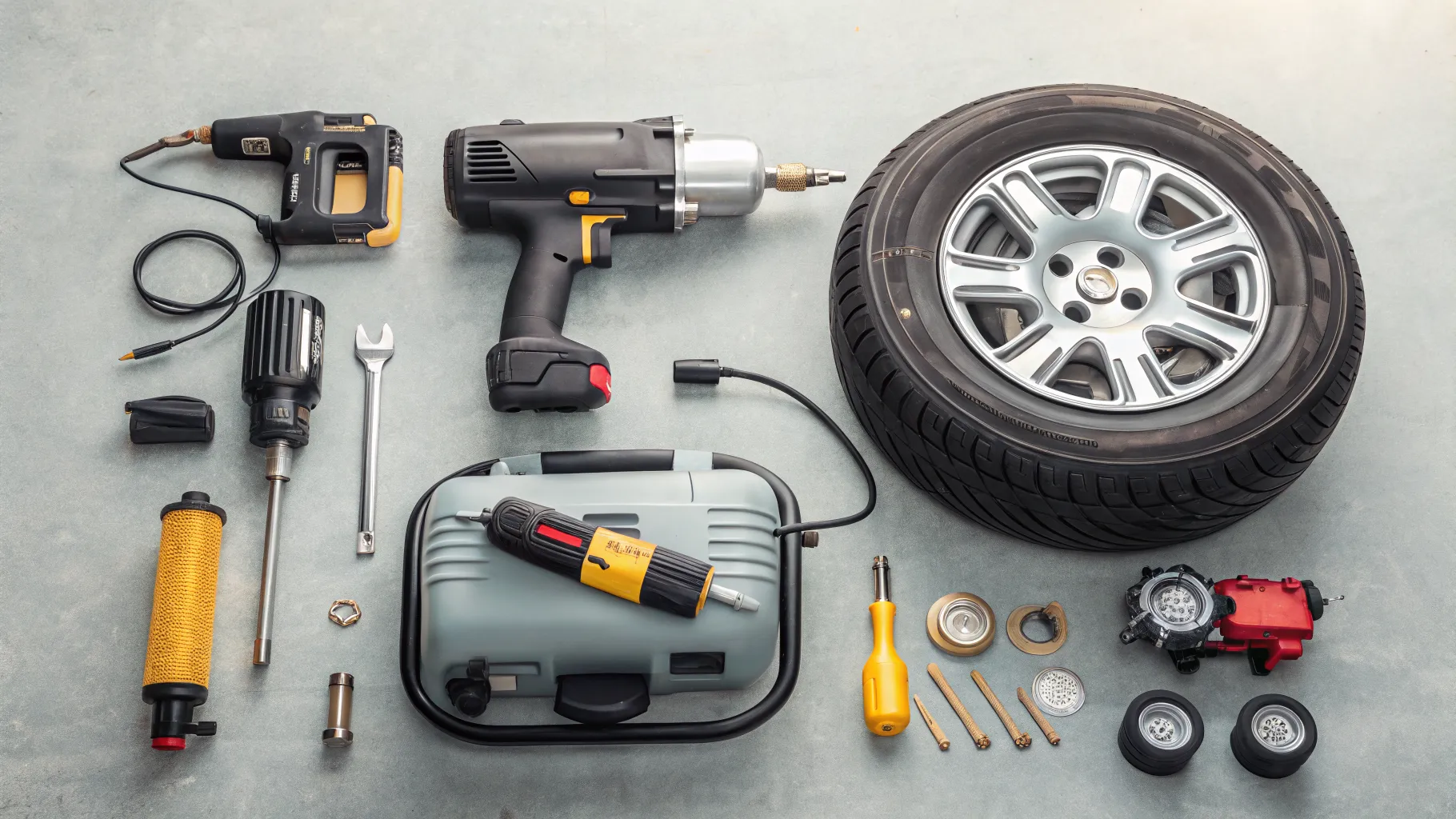
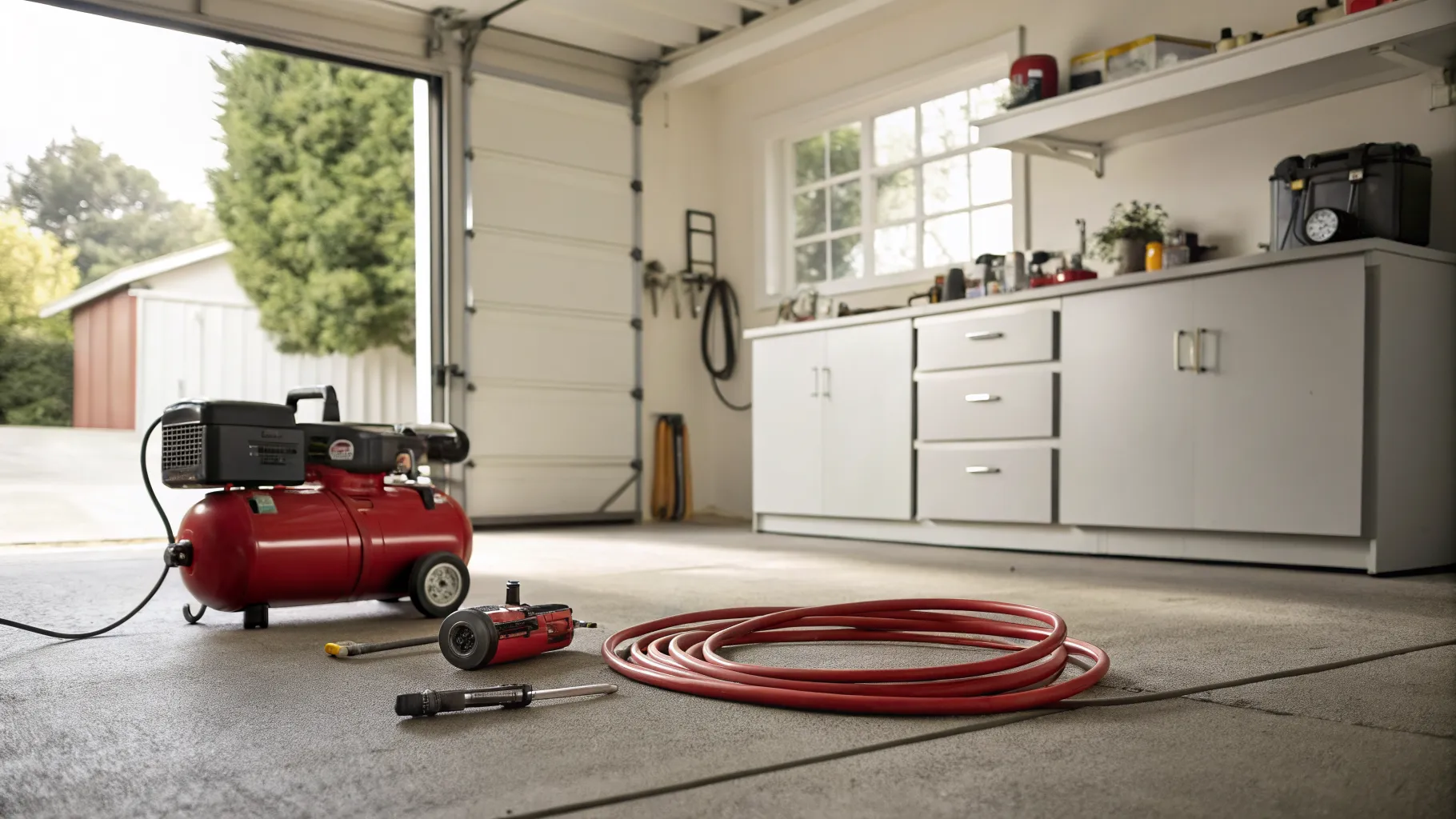
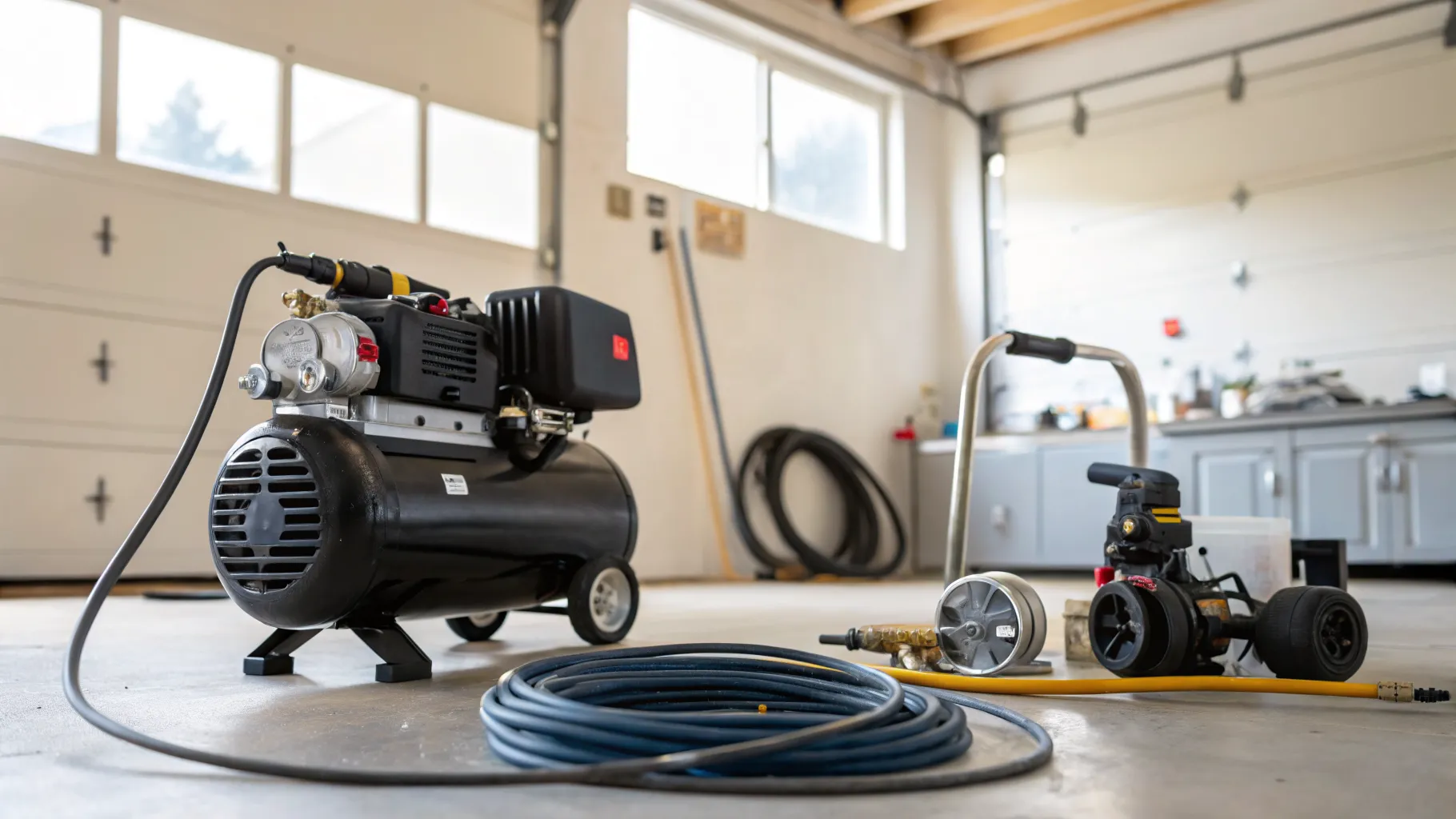
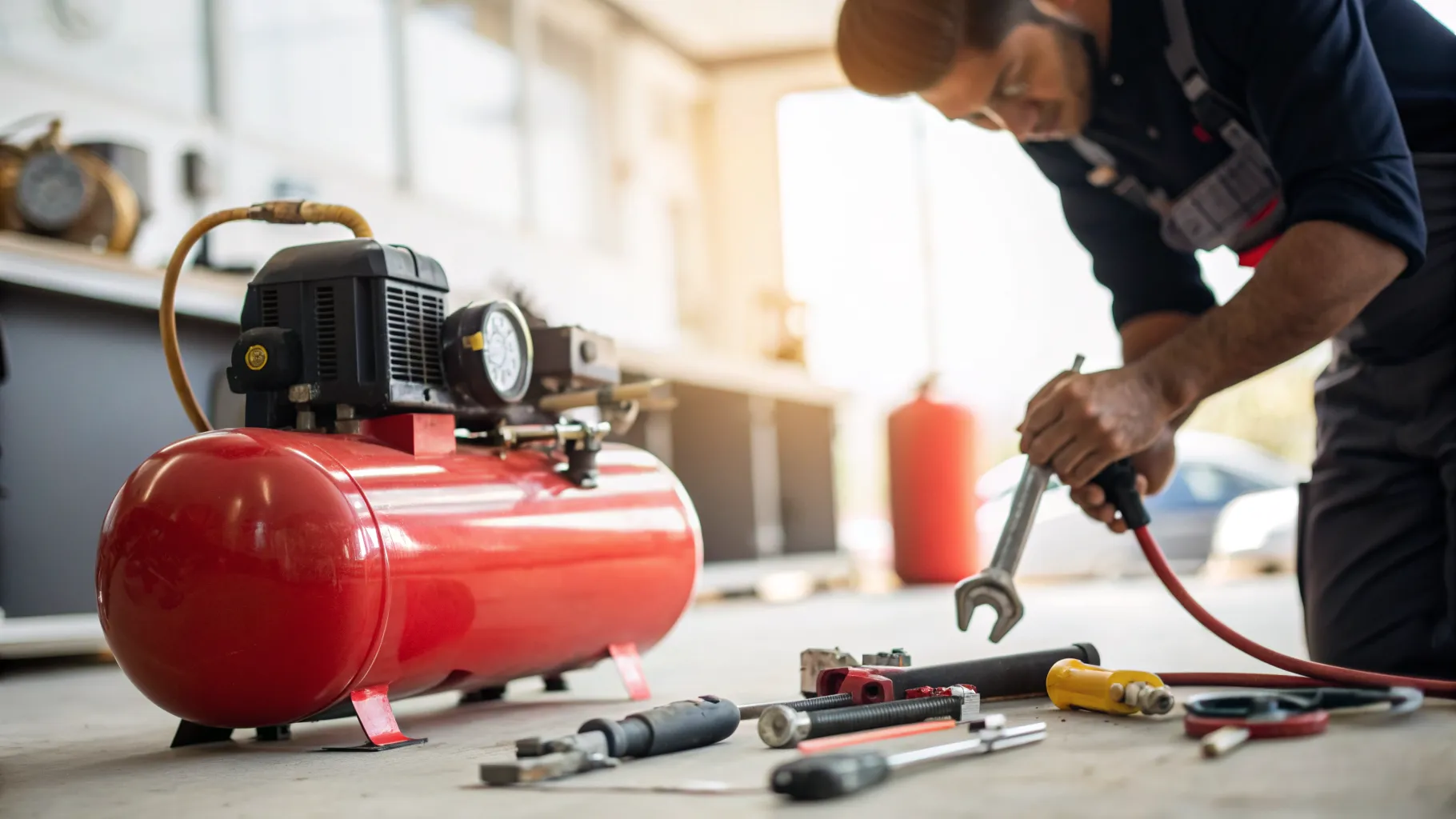
The single most useful question is “what will I run with it?” A tire and an air mattress need almost nothing. A brad nailer needs a little more. A framing nailer, impact wrench, or sander needs real, sustained airflow. Match the tool’s air demand (its CFM rating at 90 PSI) first, then pick tank size and portability to suit how you work. The guides below walk through each of those decisions.

How an air compressor works

Air is drawn in through a filter, compressed by the pump, stored in the tank, regulated to a working pressure, then delivered to your tool.

The air path, from intake to tool. A pressure switch cycles the pump to keep the tank topped up.

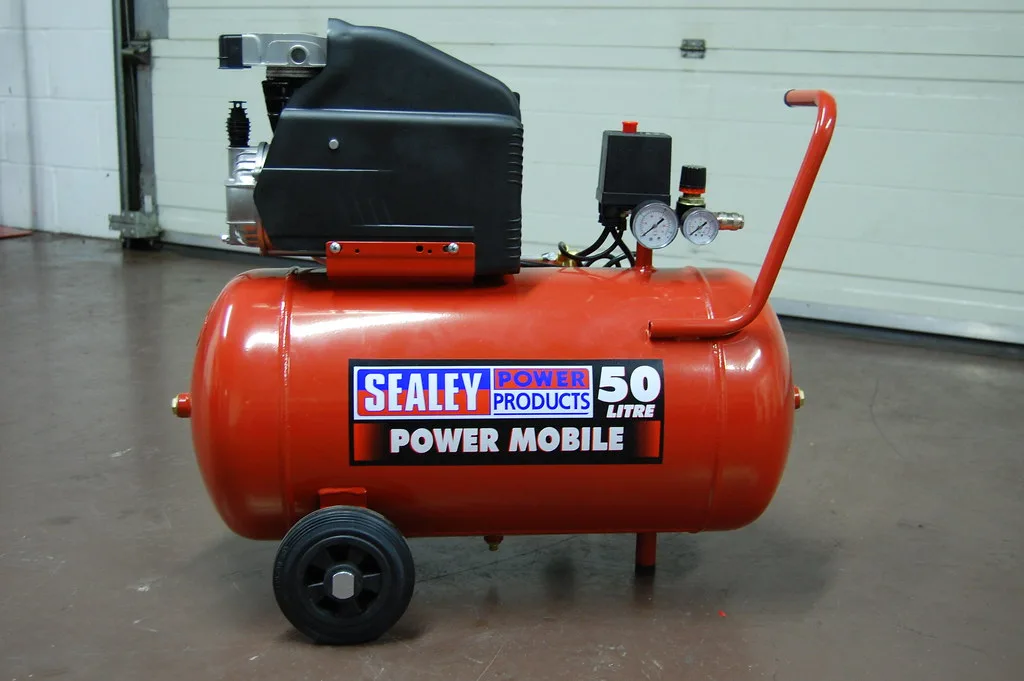
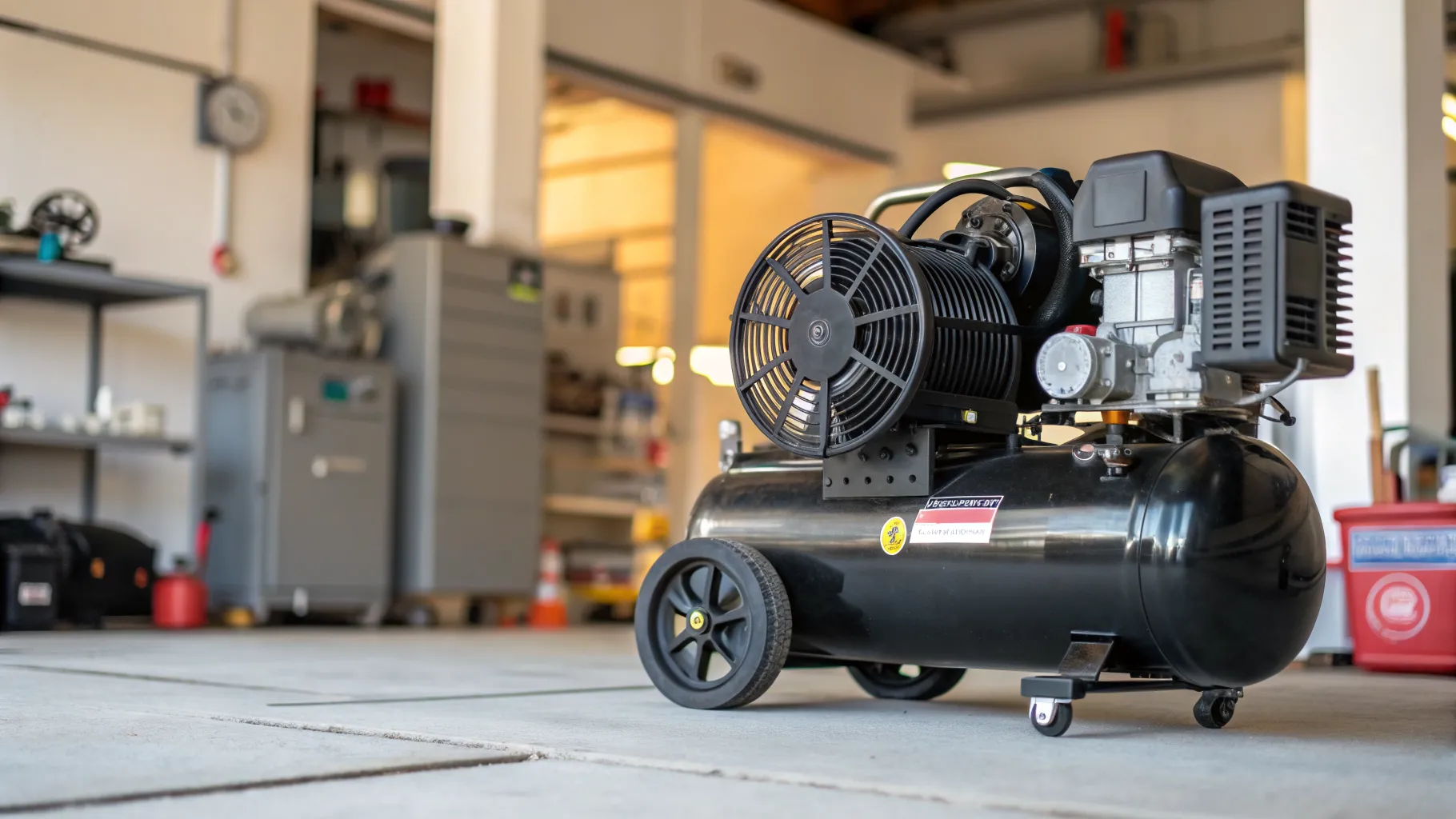
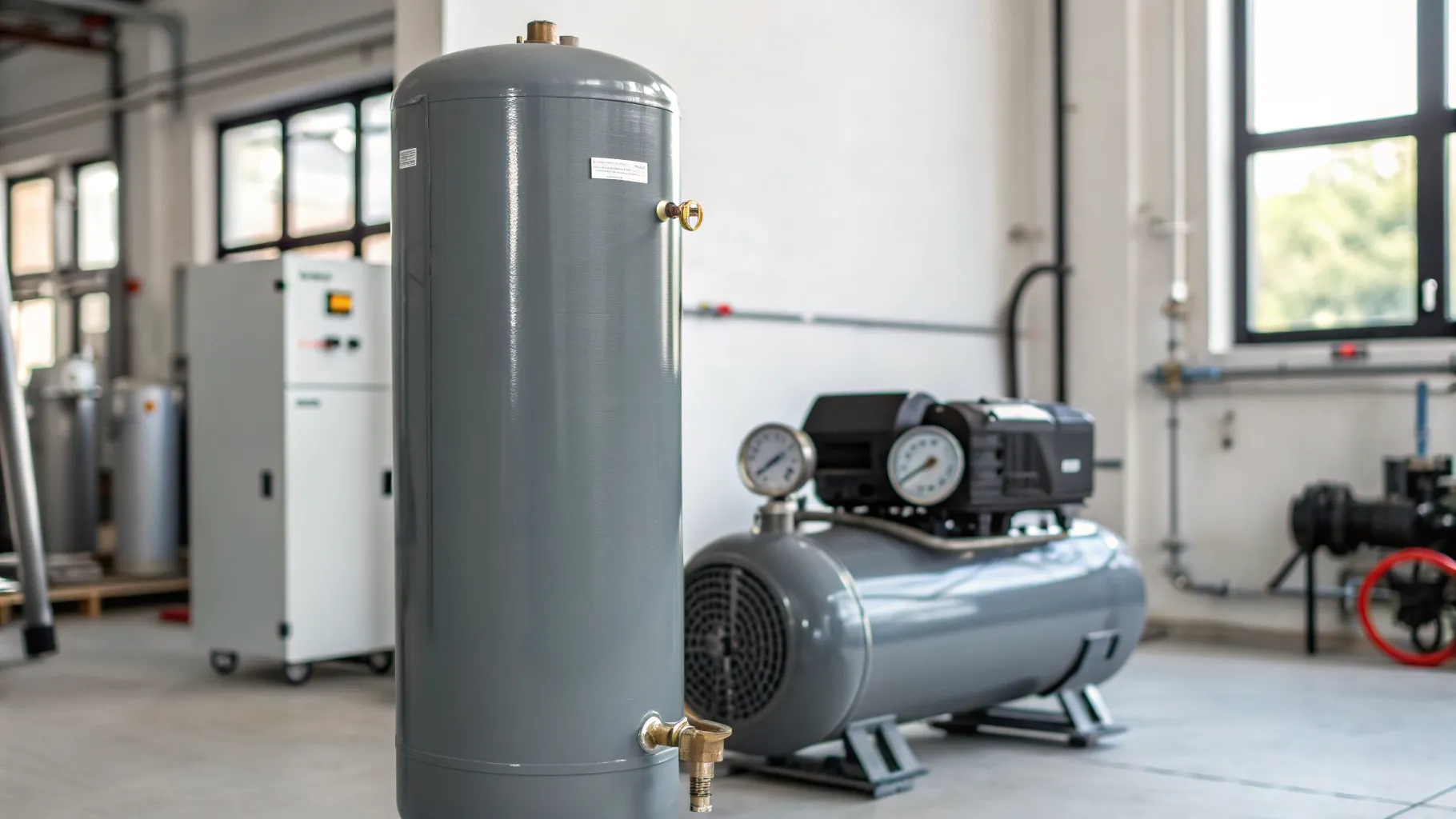
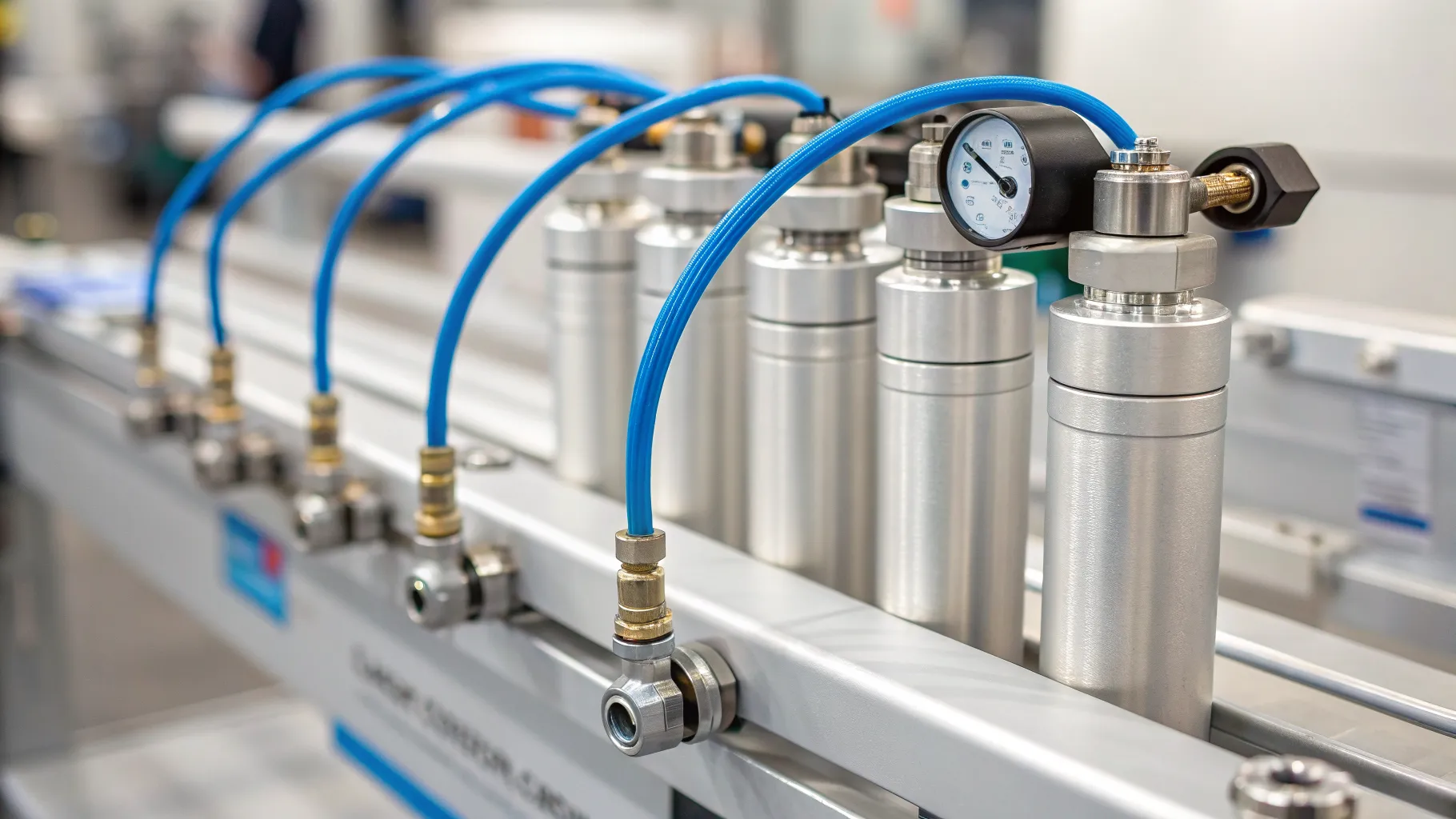
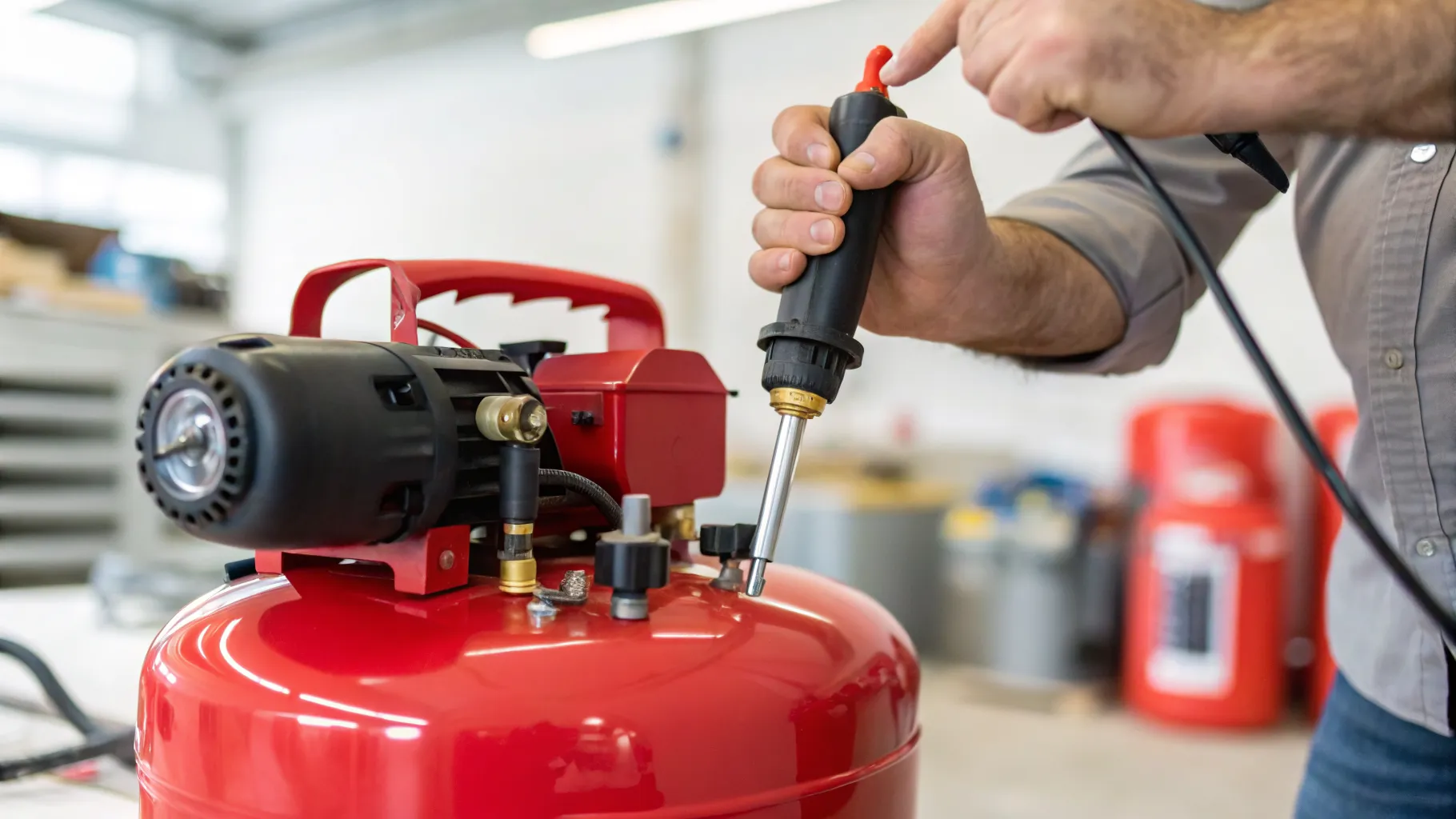
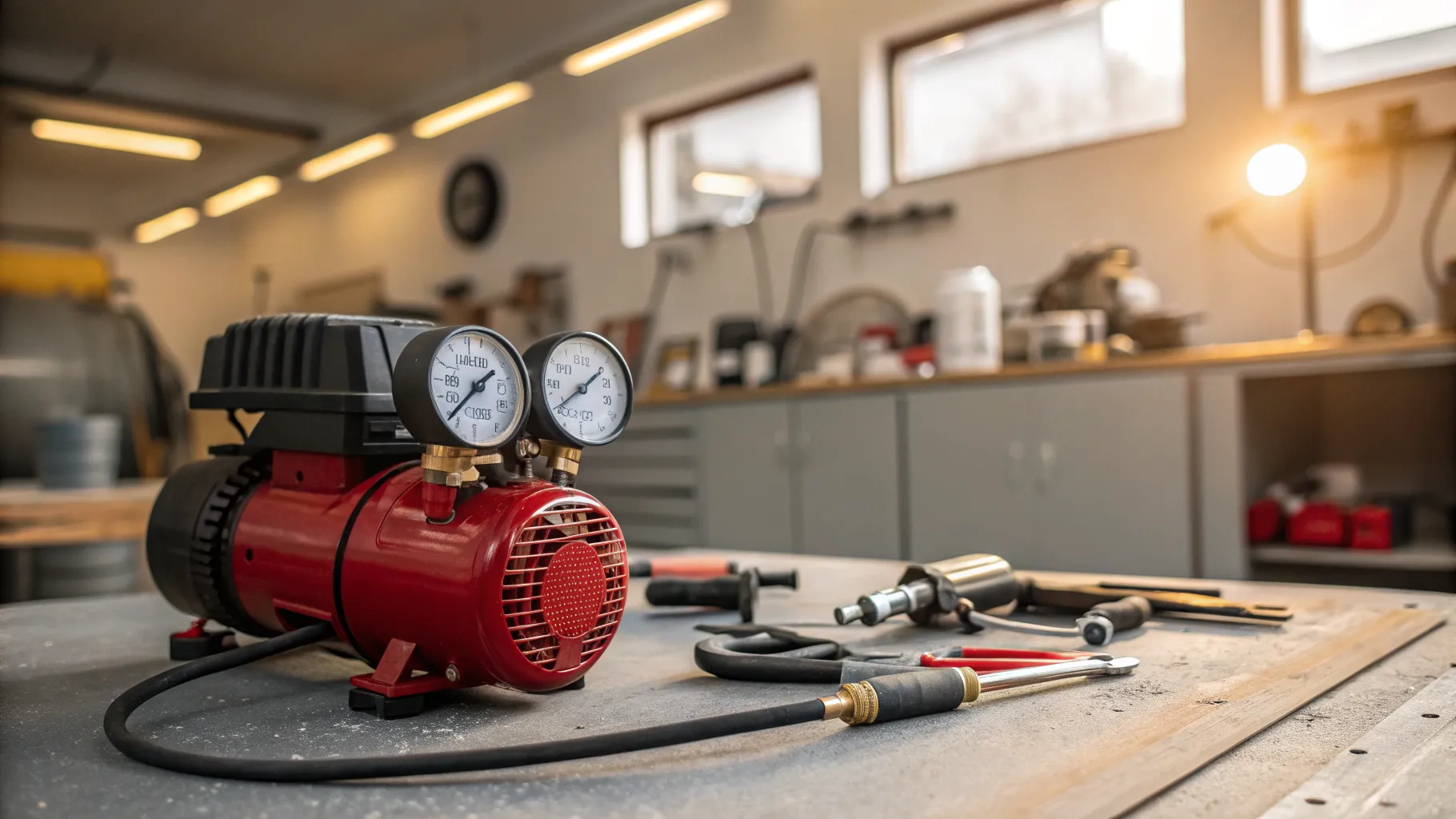
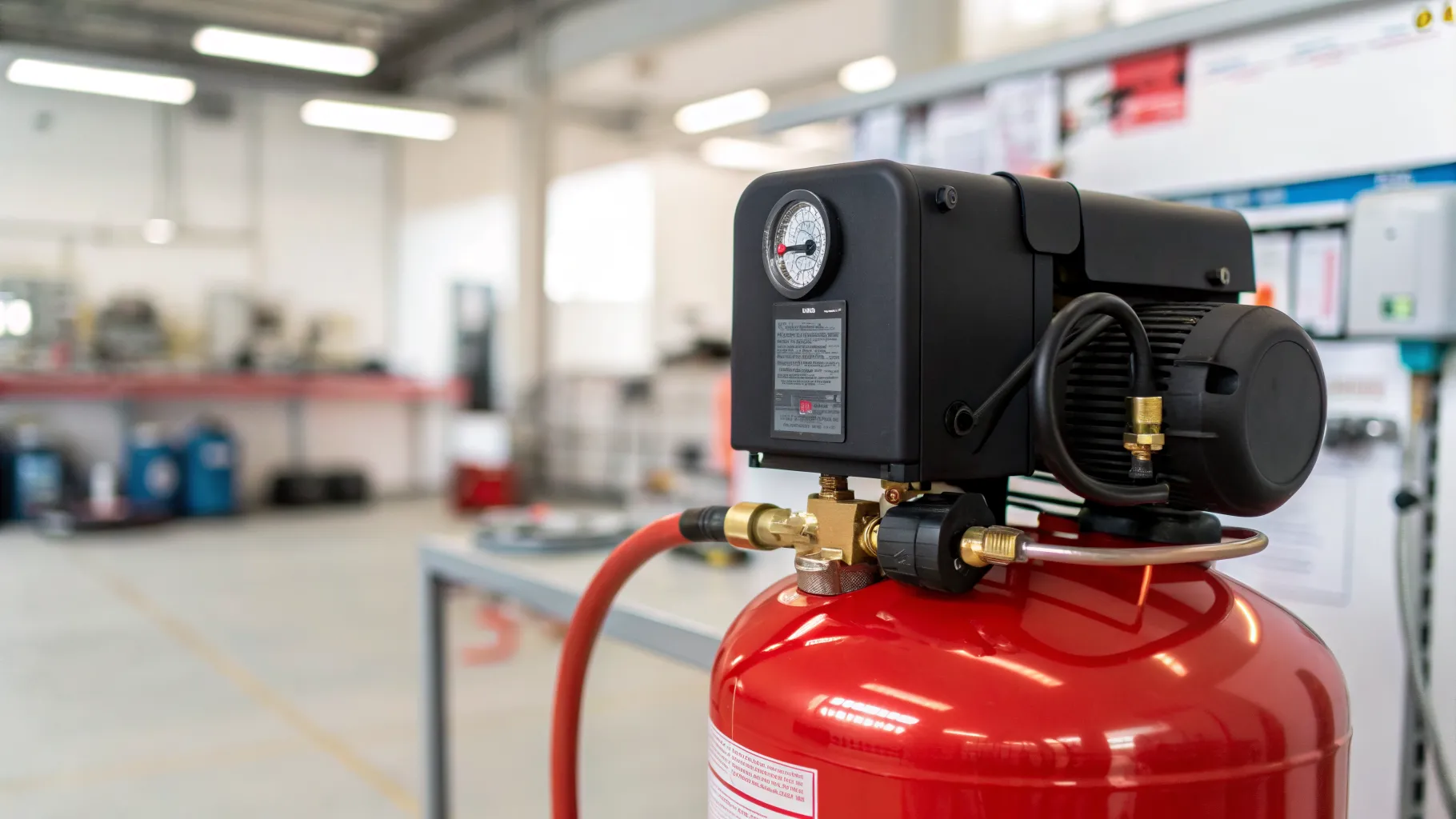
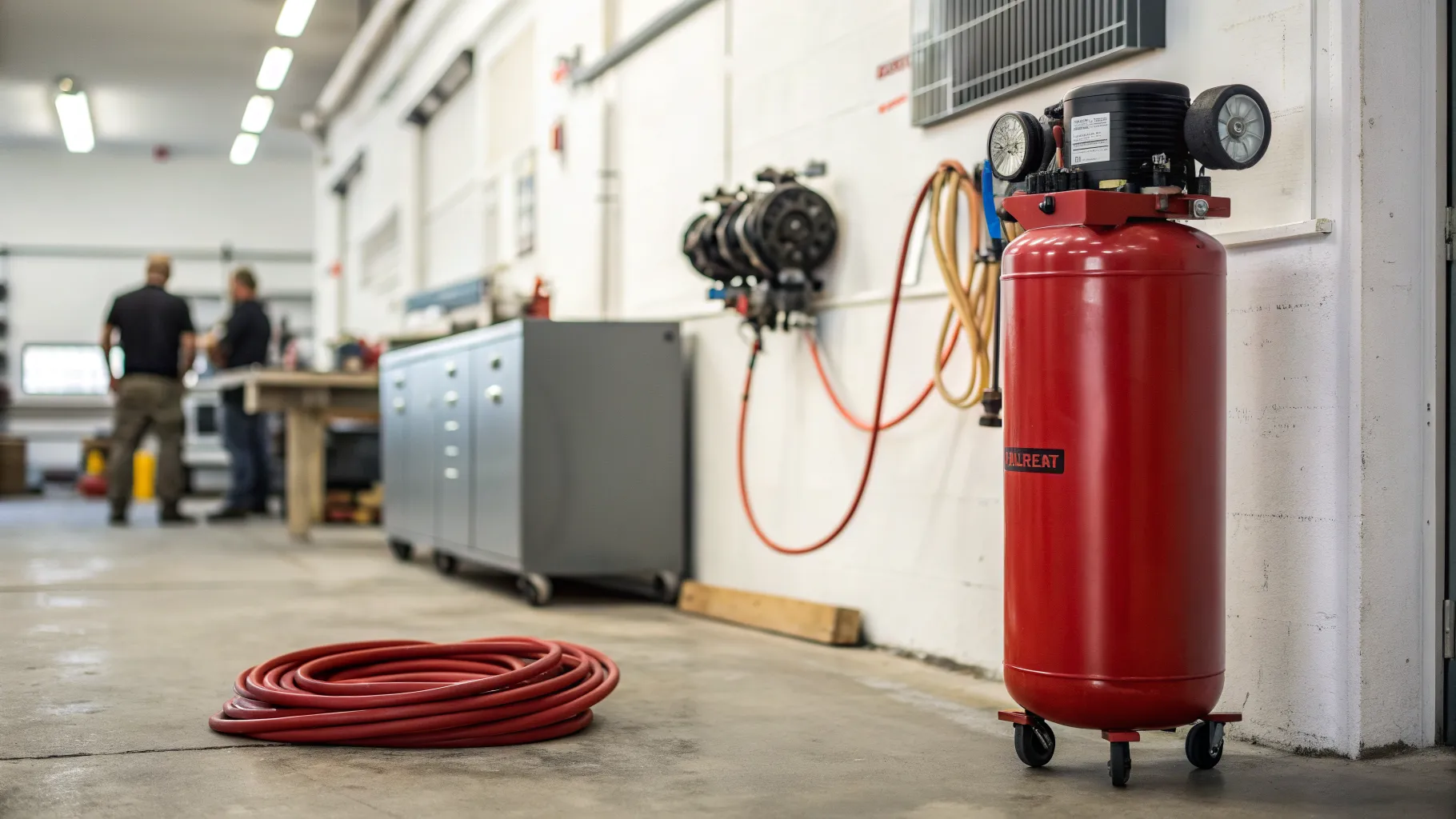
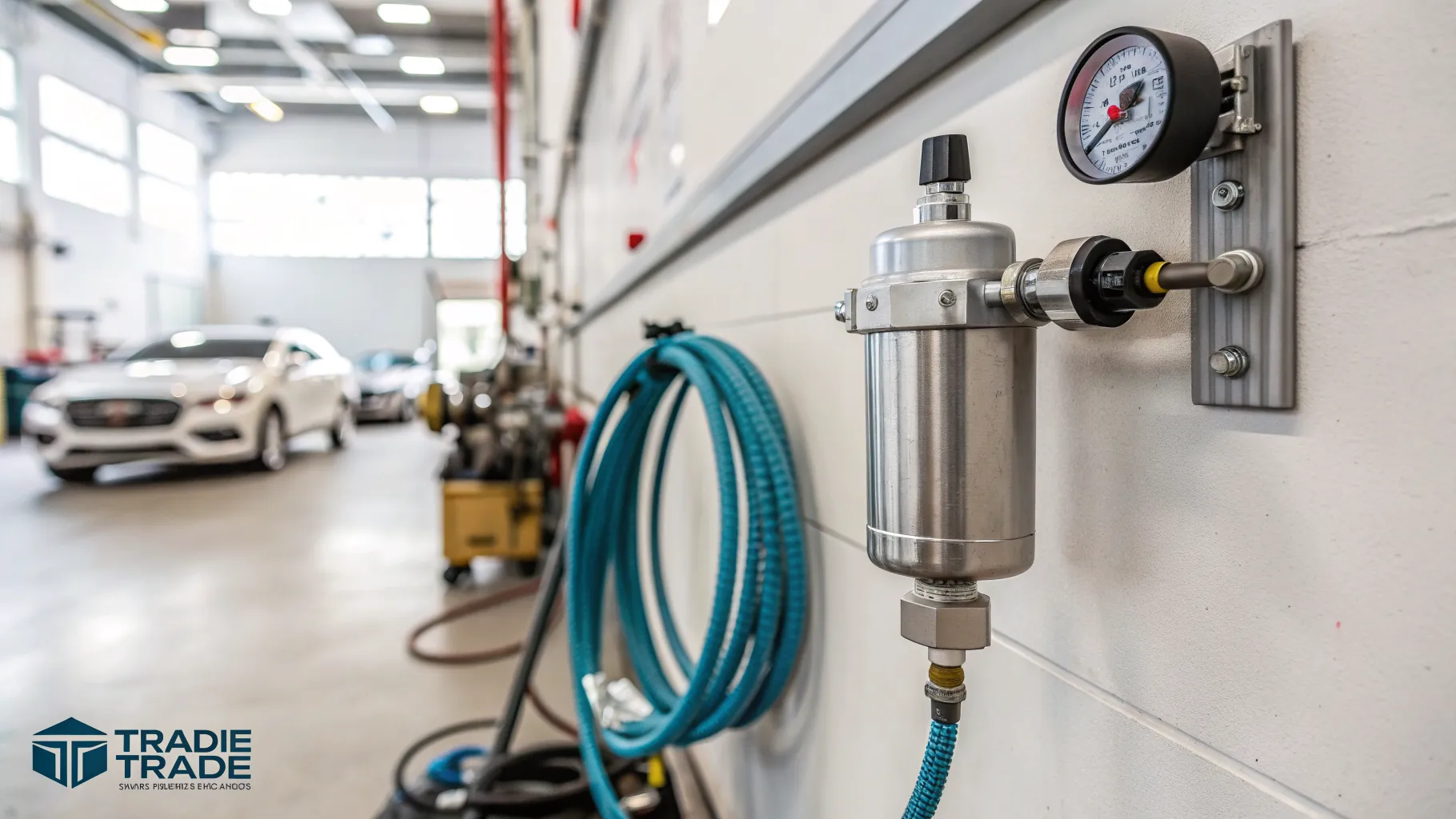
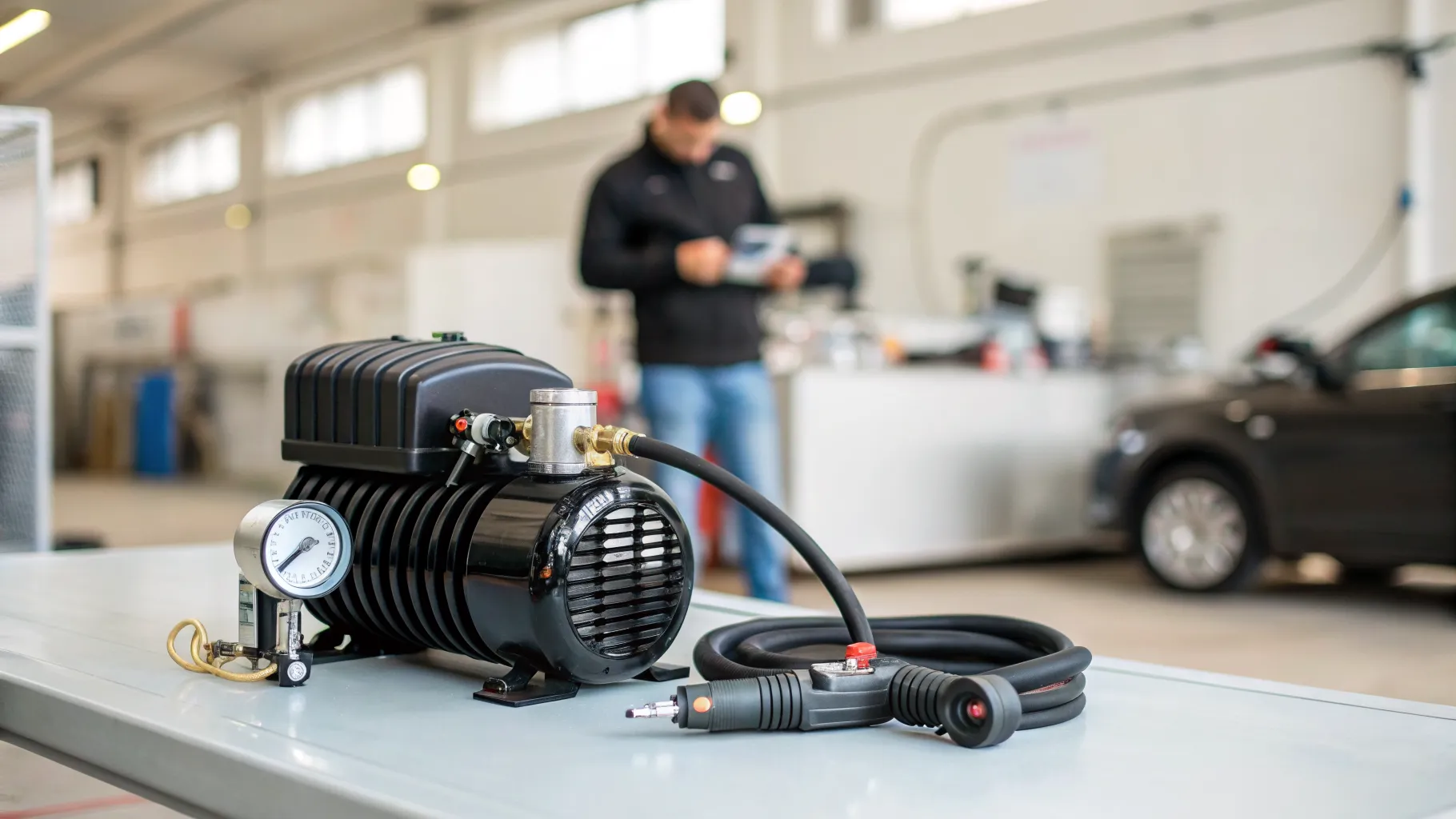
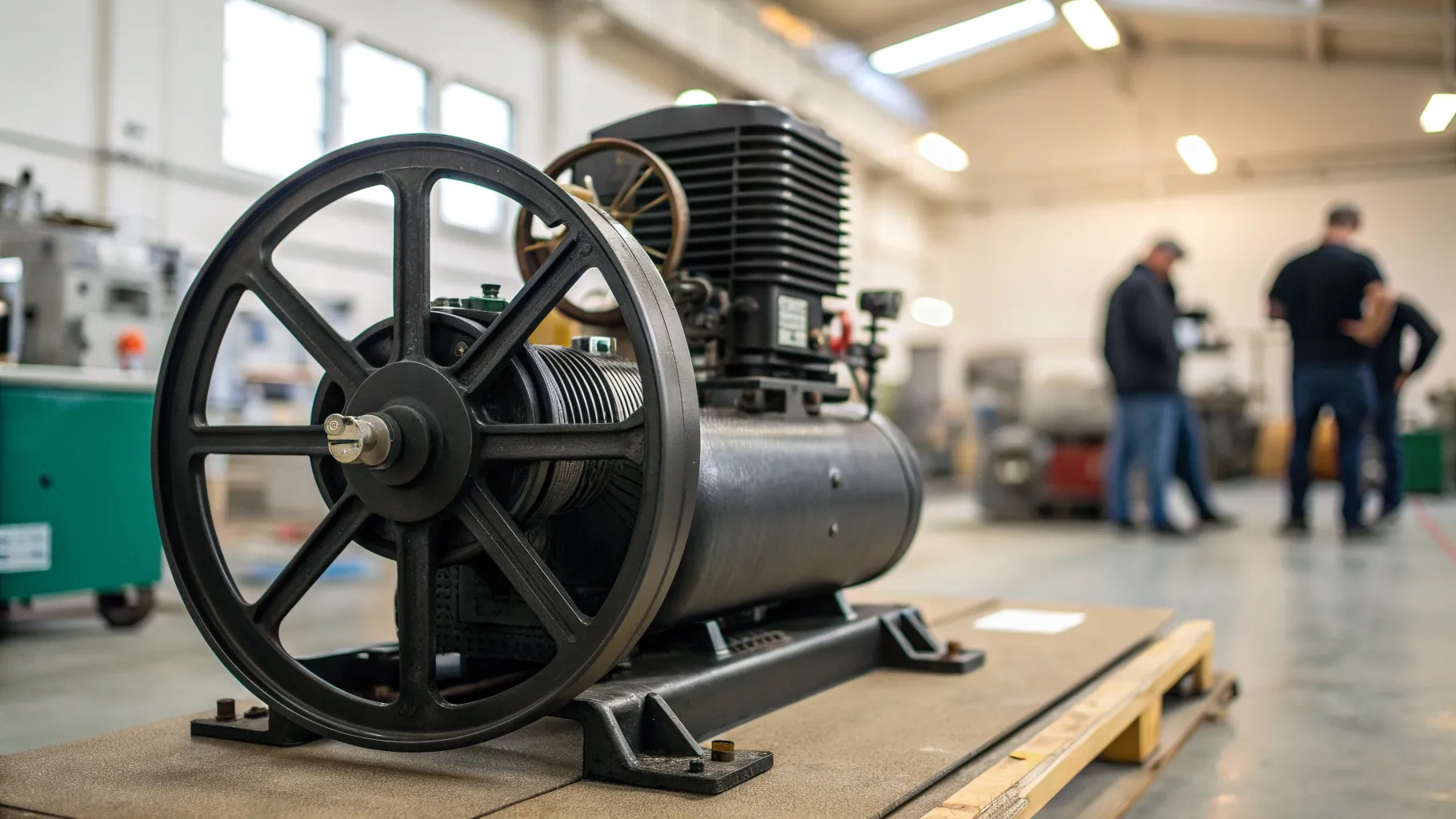
Every compressor follows the same path: it draws air through a filter, the pump compresses it, the tank stores it under pressure, and a regulator drops it to the working pressure your tool needs. A pressure switch starts and stops the pump to keep the tank between its cut-in and cut-out pressures, which is why your compressor kicks in now and then while you work.

Get the Air Compressor Mag newsletter

Buying guides, tool reviews and maintenance tips, straight to your inbox. No spam.