How to Repair an Air Compressor: Common Problems and Fixes
How to Repair an Air Compressor: Common Problems and Fixes
Most air compressor repair jobs are far simpler than they look, and a good share of them cost nothing but ten minutes and a spray bottle of soapy water. The trick is to diagnose in the right order, working from the cheapest, most likely causes toward the expensive ones, instead of tearing into the pump the first time the tank runs slow. This guide walks through the faults you are most likely to meet, why each happens, and how to fix it, so you can tell a five-minute job from a real rebuild before you spend a dime on parts.
Safety first. Before any repair, switch the compressor off, unplug it, and drain the tank completely so there is no stored pressure. Compressed air and live electrics are both dangerous, so never work on a pressurized or powered unit, and follow your manufacturer’s guidance for your specific model.
The compressor runs but won’t build pressure
This is the number one complaint, and the number one cause is an air leak, which is also the easiest thing to fix. Air escaping anywhere between the pump and the tank, or out of the tank itself, means the pump can never get ahead of the loss.
Work through it in this order:
- Soap-test for leaks. Mix dish soap with water and brush it over every fitting: the tank connections, hose couplers, the drain valve at the bottom of the tank, and the seat of the safety relief valve. Bubbles show you the leak. Tighten the fitting or replace the seal.
- Check the drain valve. A drain valve left cracked open, or one that no longer seals, bleeds air as fast as the pump makes it. See our drain valve guide.
- Inspect the intake filter. A clogged air filter starves the pump so it can’t draw a full charge. Replace it if it’s dirty. Our air filter guide covers this.
- Test the check valve. A failed check valve lets compressed air flow backward out of the tank into the pump, so pressure never climbs. This is one of the most common real faults. Read the check valve guide for how to test and replace it.
- Suspect worn piston rings or a blown gasket last. If the fittings are tight, the filter is clean, and the check valve is good but the pump still won’t make pressure, worn rings or a failed head gasket are the likely culprit. This is the point where a rebuild kit or professional service enters the picture.
Confirm the regulator isn’t simply turned down to zero before you go any further, because that fools plenty of people into thinking the tank isn’t filling when it is.
The motor hums but won’t start
A motor that buzzes without turning over is almost always one of two things. The most common is a failed start capacitor, the component that gives single-phase motors the kick they need to begin spinning. The second is a seized bearing or motor.
There is also a sneaky third cause tied to the valves: if head pressure isn’t being released when the compressor shuts off, the motor tries to restart against a full load and can only hum. That points to an unloader or check valve fault rather than the motor itself. If your unit only hums when the tank already has pressure but starts fine from empty, look at the check valve and pressure switch unloader before condemning the motor.
Leaks, oil weeping and worn seals
Air leaks you find with the soap test. Oil leaks are different: heat, pressure and vibration slowly degrade the seals and gaskets on an oil-lubricated pump, and oil begins to weep from the joints. Small seepage is common on older pumps; a steady drip means it’s time to replace the affected gasket or seal. Keep the oil at the correct level in the meantime, and never run an oil-lubricated compressor dry.
It trips the breaker
A compressor that pops the breaker on startup usually comes back to the same short list: a weak or failed start capacitor, an unloader valve that isn’t releasing head pressure so the motor starts under load, or an electrical supply problem such as an undersized circuit or a long, thin extension cord causing a voltage drop. Plug the compressor straight into a properly rated outlet before assuming the compressor is at fault, because thin extension cords cause more nuisance trips than any component.
The pressure switch won’t cut in or out
If the compressor never shuts off, or won’t start even with an empty tank, the pressure switch may be worn or misadjusted. These switches do wear out, and the cut-in and cut-out points can drift. Our pressure switch guide and the walkthrough on adjusting the pressure switch cover testing and setting it safely. Also check that the safety relief valve isn’t stuck open, which can mimic a switch that won’t build to cut-out.
Too much water in the air
If your air tools spit water or your paint job is ruined by moisture, that’s condensation collecting in the tank, not a breakdown. Drain the tank after every use, and if the problem persists, fit a water separator in the line. This is maintenance rather than repair, but it’s the most common “something’s wrong” call that turns out to need no parts at all.
When to repair and when to replace
Consumables and single components, a capacitor, check valve, pressure switch, drain valve, filter, or gasket, are almost always worth replacing, since they’re cheap next to a new machine. The line to watch is a worn-out pump: if the piston rings and cylinder are shot on a small consumer compressor, the cost of a full rebuild can approach the price of a replacement, and starting fresh often makes more sense. On a larger or industrial unit, a rebuild is usually the economical route. When in doubt, price the parts against a comparable new machine before committing.
Frequently asked questions
Why does my air compressor run but not build pressure? The most common cause is an air leak or a failed check valve letting air escape back out of the tank. Soap-test every fitting, check the drain valve is closed and sealing, inspect the intake filter, then test the check valve. Worn piston rings or a blown gasket are the last thing to suspect.
Why does my air compressor motor hum but not start? Usually a failed start capacitor or a seized bearing. It can also happen when head pressure isn’t released at shutoff, so the motor tries to start under load, which points to an unloader or check valve fault. If it starts fine from an empty tank but hums when pressurized, check the valves first.
Why does my air compressor keep tripping the breaker? Common causes are a weak start capacitor, an unloader valve failing to release head pressure so the motor starts loaded, or an electrical issue like an undersized circuit or a long, thin extension cord. Plug it directly into a properly rated outlet before blaming the compressor.
Is it worth repairing an air compressor? Almost always for single parts like a capacitor, check valve, pressure switch or gasket, which are inexpensive. A worn-out pump on a small consumer compressor is the exception, where a rebuild can cost close to a new unit. Price the parts against a replacement before deciding.
Why is there so much water coming out of my air compressor? That is condensation collecting in the tank, which is normal, not a fault. Drain the tank after every use, and add an inline water separator if moisture still reaches your tools. No repair parts are needed for this.
How do I find an air leak on my compressor? Brush a mix of dish soap and water over every fitting, hose coupler, the tank drain valve and the safety valve seat while the tank is pressurized. Wherever bubbles form is your leak. Tighten the connection or replace the seal, then retest.
More from Air Compressor Mag
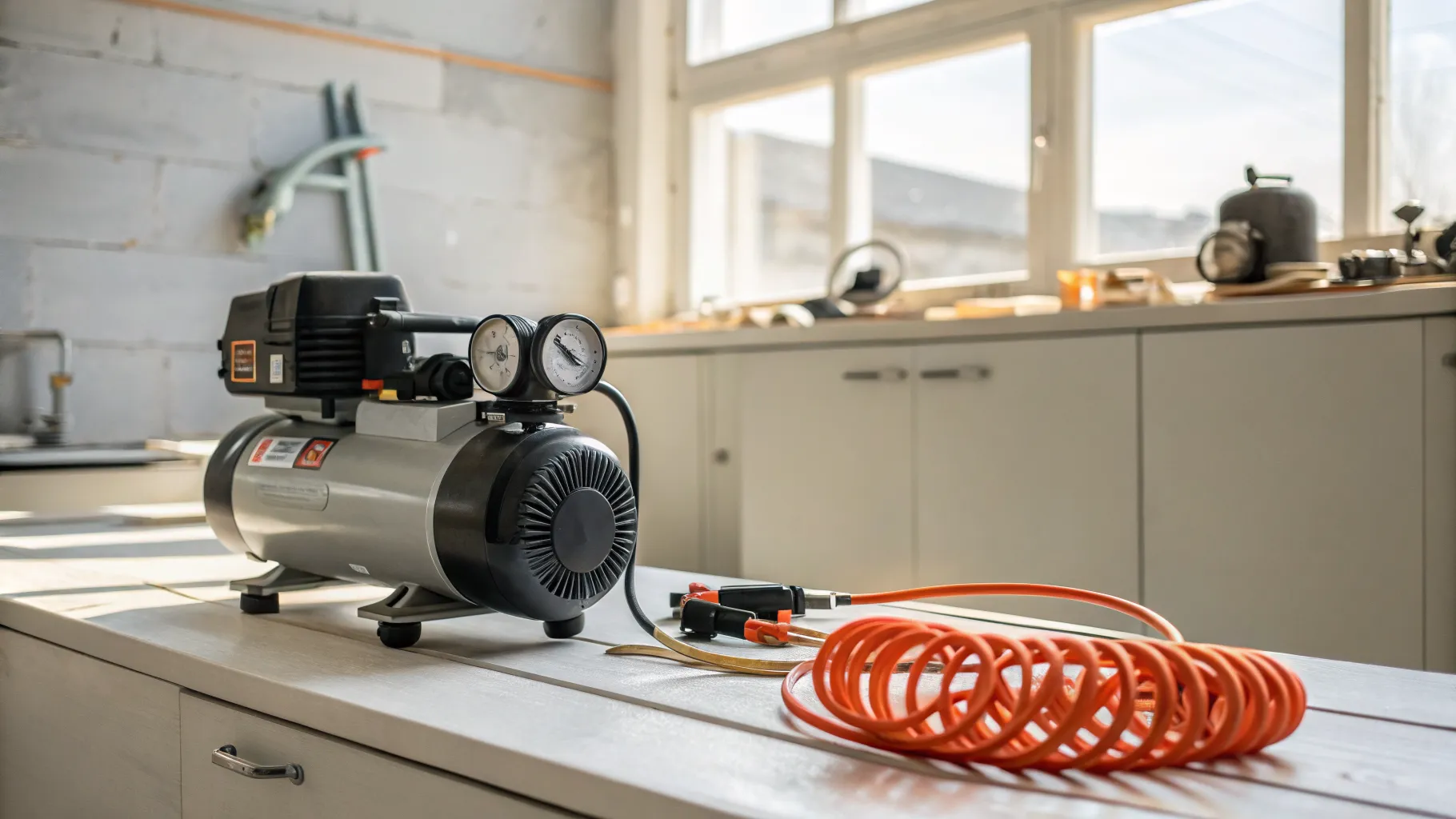
Best Portable Air Compressors: Picks by Job (2026)
Real portable air compressor picks by job, from tire inflation to framing, with the CFM at 90 PSI, tank size, and noise specs that actually decide it.
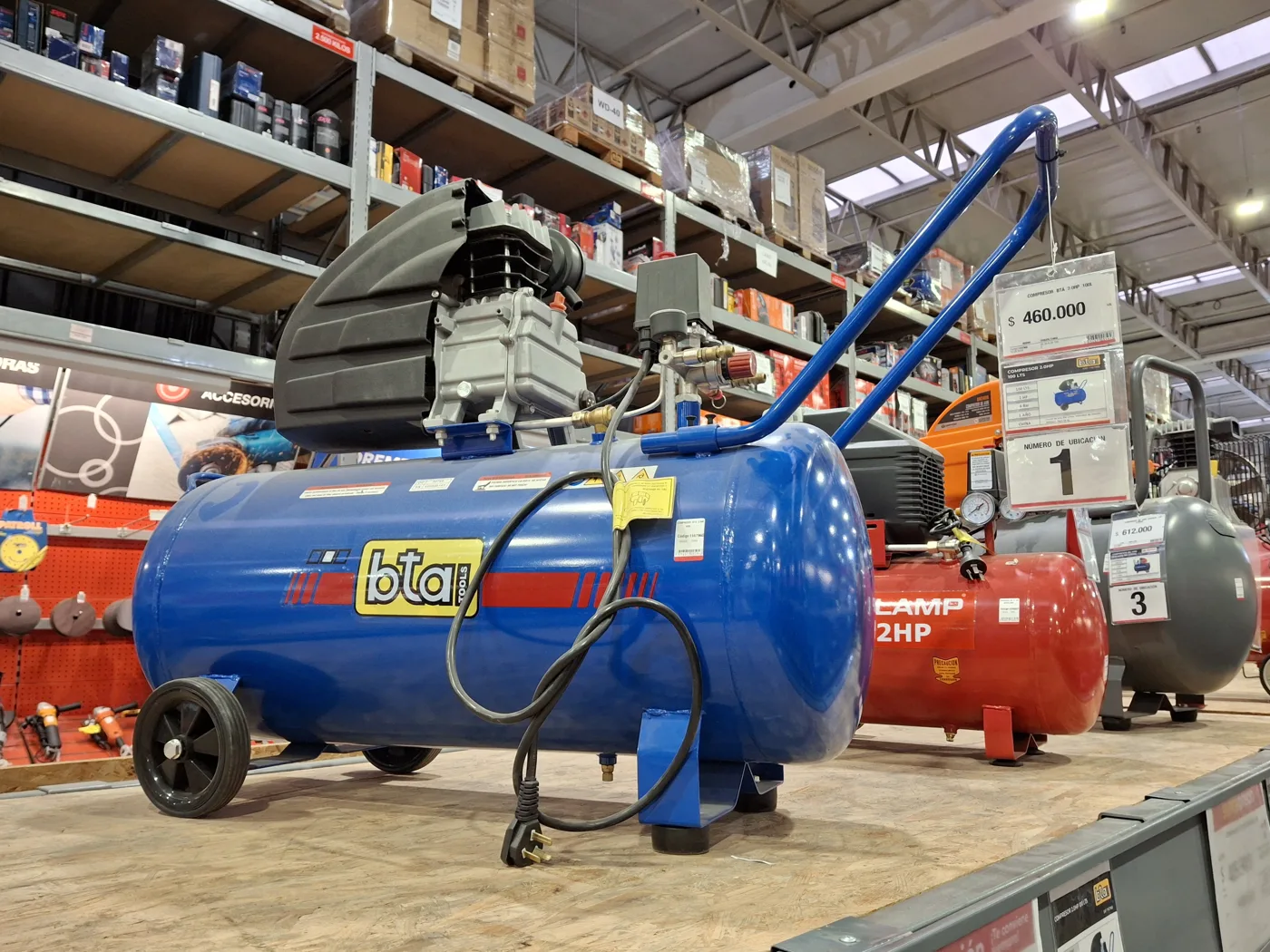
CFM Explained: How to Choose a High CFM Air Compressor for Your Tools
How to read CFM ratings and pick a high CFM air compressor: the 90 PSI standard, SCFM, a tool chart, and when you need 10, 20 or 50 CFM.
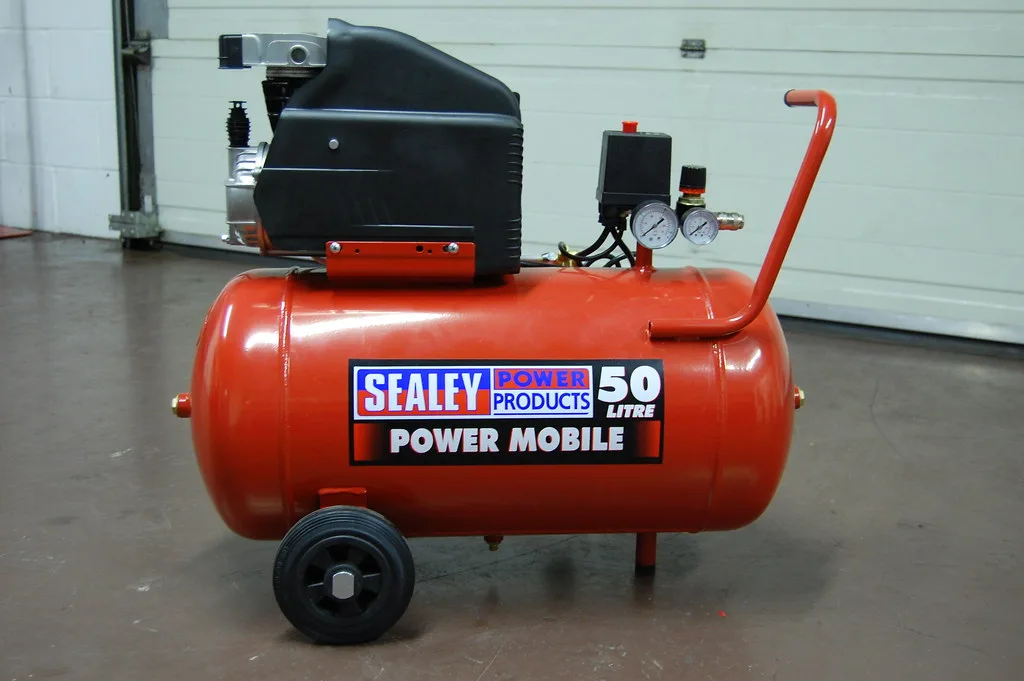
Best 30 Gallon Air Compressors for Workshops
The best 30 gallon air compressor picks for a home workshop, compared on CFM, max PSI, single-stage pumps and 120V wiring so you match the unit to your tools.