Air Compressor Parts: What Every Component Does
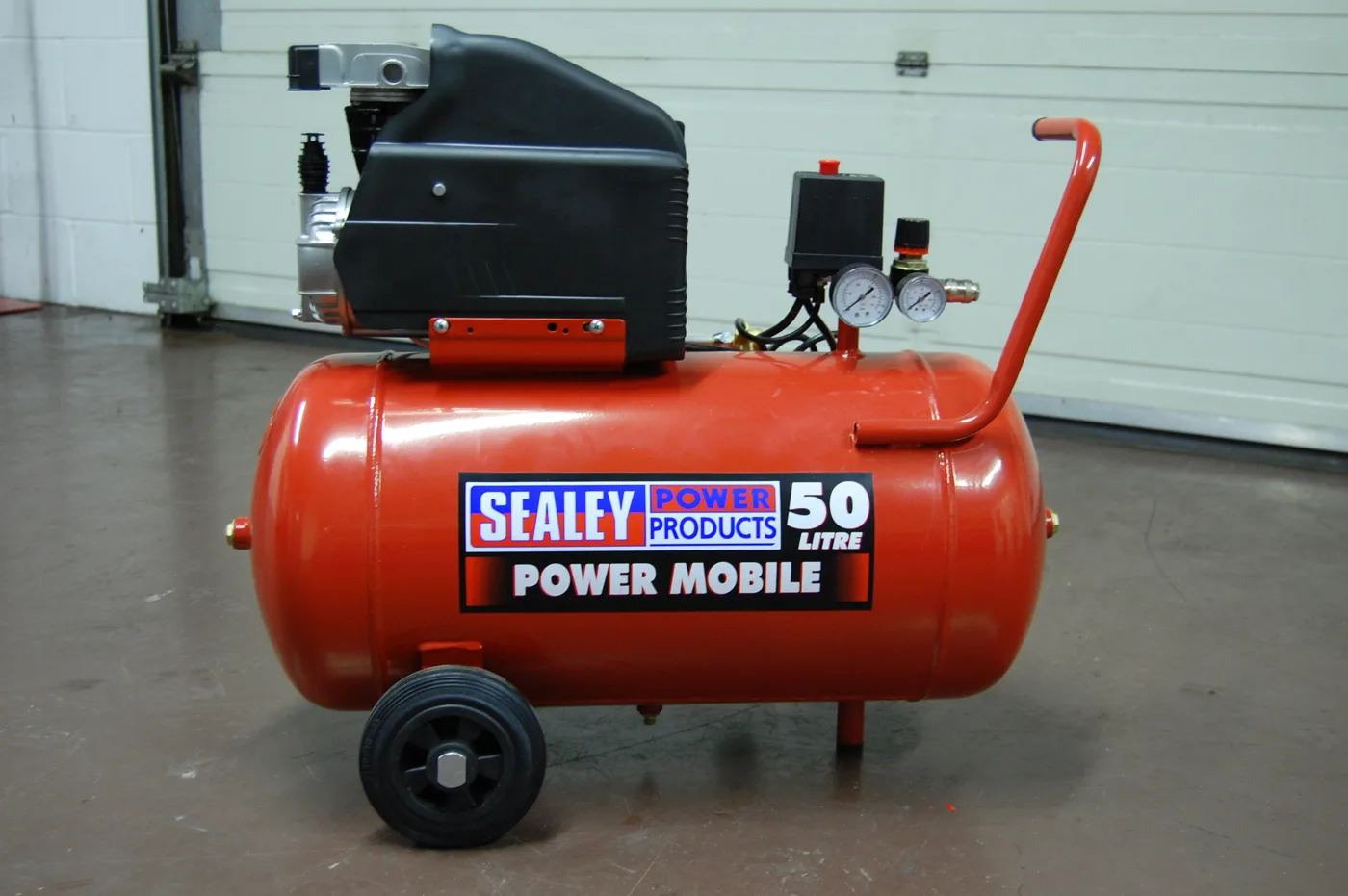
Understanding the parts of an air compressor turns a mystery box into a machine you can diagnose. When a compressor will not build pressure, leaks air, or trips a breaker, the fault is almost always one specific component doing its job badly. Knowing what each part does, and how it typically fails, is the difference between an easy fix and an expensive callout. This guide walks through every major component on a standard reciprocating (piston) air compressor and explains what it does in plain terms.
The core: pump and motor
The pump (also called the compressor pump or air end) is the heart of the machine. On a piston compressor, a motor drives a crankshaft that moves one or more pistons inside cylinders, drawing in air and squeezing it into a smaller space to raise the pressure. Pump wear, worn rings, valves or gaskets, is the usual reason an older compressor slowly loses the ability to reach its cutoff pressure.
The motor provides the power. Most home and shop units use an electric motor; larger or portable jobsite units may use a gas engine instead. A motor that hums but will not start, or trips the breaker, is often being asked to start against tank pressure, a job for the unloader valve, covered below, rather than a dead motor.
The drive connects the two. Direct-drive units couple the motor straight to the pump, while belt-drive units use a belt and pulley, which runs cooler and quieter. If you want the full comparison, see our guide to belt drive versus direct drive.
Storing the air: tank and drain
The tank (or receiver) stores compressed air so the pump does not have to run constantly and so tools get a steady supply. Tank size, measured in gallons, sets how long you can run an air tool before the motor kicks back in. Because compressed air holds moisture, the tank slowly collects water, which is why every tank has a drain valve at the bottom. Draining it after each use is the single most important thing you can do to stop internal rust, the leading cause of a failed, and dangerous, tank. A tank with heavy internal rust or visible external corrosion should be retired, not patched, because a compressed-air receiver that fails does so violently.
The controls: pressure switch, gauges and regulator
The pressure switch is the brain. It senses tank pressure and cuts the motor off when the tank reaches its cutout pressure, then starts it again when pressure falls to the cut-in point. A switch that will not turn the motor off, or cycles too often, is a common and inexpensive failure.
Gauges show you two things: the pressure in the tank, and the pressure being delivered to your tool. The regulator sits between them, letting you dial the outlet pressure down to what a given tool needs, since most tools want less than a full tank holds. Our regulator guide explains how to set it correctly.
The safety relief valve is the component you hope never activates. If the pressure switch fails and the tank keeps filling, this spring-loaded valve blows off to prevent dangerous overpressure. Never plug or disable it; pull the ring occasionally to confirm it is free.
The one-way traffic: check valve and unloader
The check valve sits between the pump and the tank. It lets compressed air flow into the tank but stops it flowing back into the pump when the motor shuts off. A failed check valve is behind two classic symptoms: air leaking continuously from the pressure switch, and a motor that struggles to restart.
The unloader valve, usually built into the pressure switch, releases the air trapped in the line above the check valve each time the motor stops. This lets the motor start against no load next time. When it fails, the motor tries to start against pressure and trips the breaker, one of the most common no-start faults.
Air quality: intake filter and separator
The intake air filter keeps dust and grit out of the pump on the suction side. A clogged filter starves the pump and makes it work harder, so it needs occasional cleaning or replacement.
On the outlet side, moisture is the enemy of air tools and spray finishes. A water separator or filter downstream of the tank removes condensed water before it reaches your tool. Our water separator guide explains where to fit one and why.
Oil-lubricated versus oil-free
On an oil-lubricated compressor, an oil sump and splash or pump system keep the pistons and bearings lubricated, which means checking the oil level and changing it periodically. Oil-free models use permanently lubricated or coated components instead; they need less maintenance but tend to run louder and wear faster under heavy use. Knowing which type you own tells you whether oil changes belong on your maintenance list.
Putting it together
Diagnosing an air compressor is mostly a process of matching a symptom to a part: no pressure points to the pump or a leak, a no-start points to the unloader or check valve, and constant water points to a missing drain habit or separator. For a fuller walkthrough of faults, see our air compressor repair guide. For the official safety picture on pressure vessels, OSHA’s portable air receiver requirements are the authoritative reference in the US.
Frequently asked questions
What are the main parts of an air compressor? The core parts are the pump (air end), the motor or engine that drives it, and the tank that stores the compressed air. Around those sit the controls, the pressure switch, regulator, gauges and safety relief valve, plus the check valve, unloader valve, drain valve and an intake air filter.
What does the check valve do on an air compressor? It allows compressed air to flow from the pump into the tank but prevents it from flowing back when the motor stops. A failed check valve causes air to leak from the pressure switch and can stop the motor restarting properly.
Why does my air compressor motor trip the breaker when it starts? The usual cause is a failed unloader valve, which is supposed to release trapped air so the motor starts against no load. If it does not release, the motor tries to start under pressure and trips the breaker. A worn check valve can cause the same symptom.
What part collects water in an air compressor? The tank. Compressing air squeezes moisture out of it, and that water settles in the bottom of the tank. Draining it via the drain valve after every use prevents internal rust, which is the main reason tanks fail.
Which parts of an air compressor need regular maintenance? Drain the tank after each use, check and clean the intake air filter, and on oil-lubricated models check and change the oil. Periodically test the safety relief valve and inspect belts on belt-drive units. These few habits prevent most common failures.
More from Air Compressor Mag
Best Portable Air Compressors: Picks by Job (2026)
Real portable air compressor picks by job, from tire inflation to framing, with the CFM at 90 PSI, tank size, and noise specs that actually decide it.
CFM Explained: How to Choose a High CFM Air Compressor for Your Tools
How to read CFM ratings and pick a high CFM air compressor: the 90 PSI standard, SCFM, a tool chart, and when you need 10, 20 or 50 CFM.
Best 30 Gallon Air Compressors for Workshops
The best 30 gallon air compressor picks for a home workshop, compared on CFM, max PSI, single-stage pumps and 120V wiring so you match the unit to your tools.