Air Compressor Regulator Guide: How It Works and How to Choose

The air compressor regulator is the small dial that decides how much pressure actually reaches your tools, and most people either ignore it or crank it to the max. Both are mistakes. Run a tool at the wrong pressure and you get poor performance, faster wear, or a blown seal. This guide explains how a regulator works, how it fits alongside the filter and lubricator in an FRL, how to pick the right one, and how to set your output pressure correctly so every tool gets exactly what it needs.
What an air compressor regulator does
An air compressor regulator sits between the tank and your tool and holds the output at a steady pressure you choose, no matter how high the tank pressure climbs. Your tank might store air at 150 PSI, but your brad nailer wants around 90 PSI and your air ratchet something different again. The regulator steps that stored pressure down to a constant, usable level and keeps it there as air is drawn off.
It works with a spring and a diaphragm. Turning the knob adjusts spring tension on the diaphragm, which opens an internal valve to let air through until the downstream pressure matches your setting, then closes it. As your tool uses air and downstream pressure drops, the valve opens again to top it back up. That balancing act happens continuously, which is why the gauge on the regulator holds steady while you work.
The regulator inside an FRL
On many setups the regulator is one part of an FRL, which stands for filter, regulator, lubricator. Each piece has a job, and the order matters.
The filter cleans the air first, using a cyclonic action to spin out water and trap dust, rust, and dirt in the bowl before that gunk reaches anything sensitive. The regulator then sets the pressure. The lubricator, if fitted, adds a fine oil mist to feed air tools that need internal lubrication.
Always plumb them in filter, regulator, lubricator order. The filter has to clean the air before it hits the regulator’s diaphragm, and the regulator has to set pressure before the lubricator meters in oil. Reverse it and you get premature wear and worse performance, a point echoed by suppliers like VMAC. Note that most modern pneumatic tools use self-lubricating seals, so many home shops skip the lubricator and run just a filter and regulator. For the fuller picture on cleaning up your air, see our air compressor water separator guide.
How to choose an air compressor regulator
A few things separate a regulator that works well from one that annoys you.
Flow capacity (CFM). The regulator has to pass enough air for your thirstiest tool. If it chokes flow, your tool starves even though the gauge looks fine. Match the regulator’s rated CFM to the tools you run, and check the manufacturer’s flow chart rather than just the port size.
Body size. A larger-bodied regulator gives finer, more sensitive adjustment and less “droop,” the drop in output pressure that happens under heavy demand. For a busy shop running impact wrenches, a bigger body is worth it; for topping off tires, a compact unit is fine.
Relieving vs non-relieving. A relieving regulator vents excess downstream pressure the moment you dial it down, so the setting drops immediately. Most users want this because it makes adjustment instant and predictable. Non-relieving types hold trapped downstream pressure until a tool bleeds it off.
Adjustable knob. For general use, a hand-adjustable knob you can turn without tools is the right choice, so you can change pressure between tools quickly.
Port size and thread. Match the ports to your plumbing, commonly 1/4 inch or 3/8 inch NPT on home and shop units, so you are not stacking adapters that restrict flow.
How to set the output pressure
Setting a regulator is simple once you know the routine.
- Let the compressor build to its cut-out pressure so the tank is full.
- Find your tool’s required operating pressure, usually printed on the tool or in its manual.
- With air flowing (trigger the tool or open the line briefly), turn the knob until the regulator gauge reads the target pressure. Setting it while air is actually moving accounts for the pressure drop that happens under flow.
- If you run a lubricator, add a couple of PSI to cover the small pressure loss across it.
- Pull up or lock the knob if your model has a locking collar, so it does not drift.
Always set pressure with air flowing, not on a static line, or the reading will be a few PSI high once the tool actually draws air. Never exceed a tool’s maximum rated pressure, and keep tools like blow guns within OSHA’s guidance, which limits dead-ended discharge pressure for cleaning to below 30 PSI; the OSHA standard spells out the rule.
Common regulator problems
Two issues come up again and again. If pressure will not hold steady or slowly creeps up, the internal seat or diaphragm is likely worn and the regulator needs a rebuild or replacement. If your tool feels weak despite a correct gauge reading, the regulator or a downstream fitting is probably restricting flow, so check that the regulator’s CFM rating actually covers the tool. And if you see water spitting from the line, the filter bowl ahead of the regulator is full and needs draining, ideally at the start of every session. For more, see our air compressor troubleshooting guide.
Frequently asked questions
What does an air compressor regulator do? An air compressor regulator reduces the high pressure stored in the tank down to a steady, lower pressure that your tool needs, and holds it constant as air is drawn off. It lets you run different tools at their correct pressures from the same compressor, protecting the tools and giving consistent performance.
Do I need a regulator on my air compressor? Yes, for almost any air-tool use. Tank pressure is far higher than most tools should run at, so a regulator is what makes the air usable and safe for the tool. Many compressors include a built-in regulator; if yours does not, or you want cleaner, better-controlled air, add an inline filter-regulator.
What is the difference between a regulator and an FRL? A regulator only sets pressure. An FRL is a combined unit that adds a filter before the regulator to clean the air and a lubricator after it to add oil mist for air tools. If your tools are self-lubricating, you often need only the filter and regulator portions, not the lubricator.
How do I set the pressure on my regulator? Fill the tank, look up your tool’s required pressure, then turn the regulator knob while air is flowing until the gauge reads that value. Setting it under flow accounts for the pressure drop when the tool actually uses air. Add a couple of PSI if you run a lubricator, and never exceed the tool’s maximum rated pressure.
Why won’t my regulator hold a steady pressure? Creeping or unstable output usually means a worn internal seat or diaphragm, which calls for a rebuild kit or a new regulator. Weak tool performance with a normal gauge reading points to the regulator restricting flow, so confirm its CFM rating covers your tool. Water in the line means the upstream filter bowl needs draining.
More from Air Compressor Mag
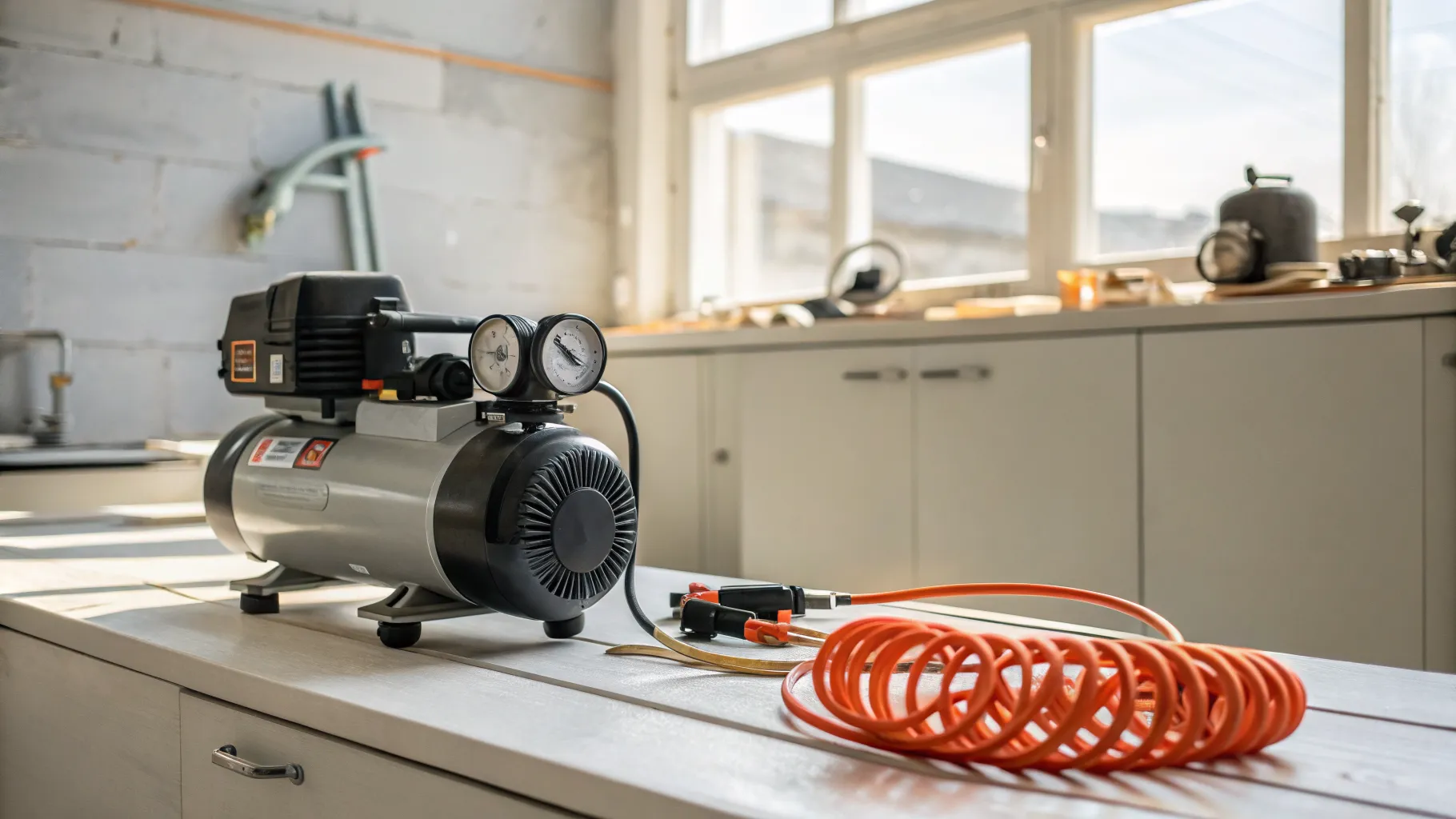
Best Portable Air Compressors: Picks by Job (2026)
Real portable air compressor picks by job, from tire inflation to framing, with the CFM at 90 PSI, tank size, and noise specs that actually decide it.
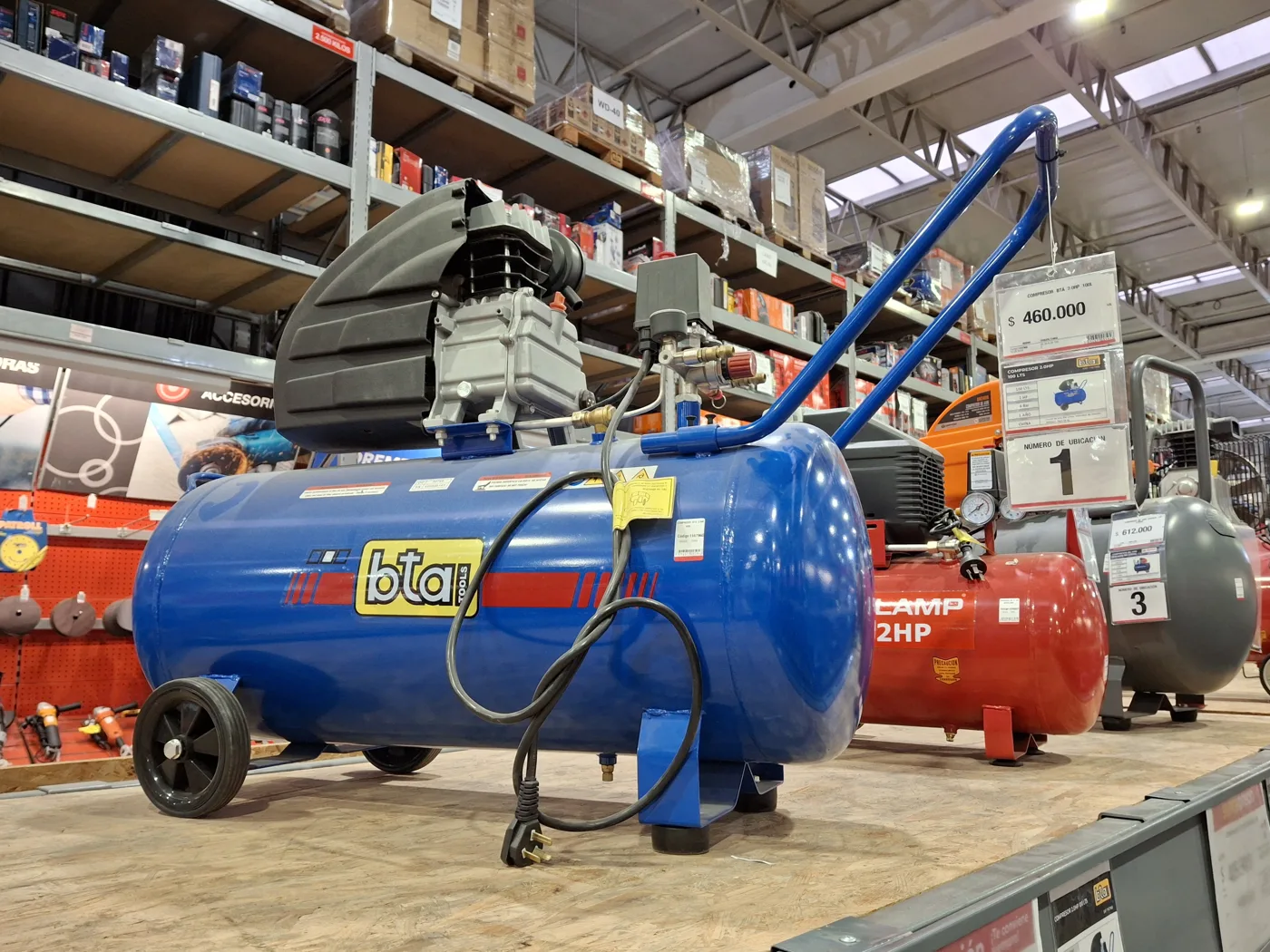
CFM Explained: How to Choose a High CFM Air Compressor for Your Tools
How to read CFM ratings and pick a high CFM air compressor: the 90 PSI standard, SCFM, a tool chart, and when you need 10, 20 or 50 CFM.
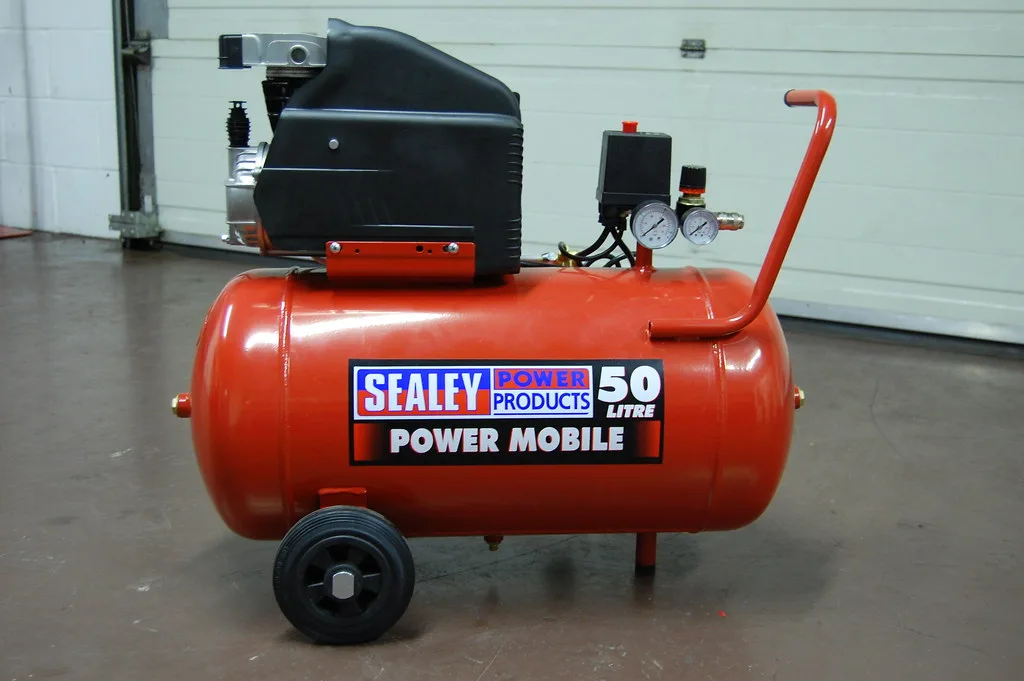
Best 30 Gallon Air Compressors for Workshops
The best 30 gallon air compressor picks for a home workshop, compared on CFM, max PSI, single-stage pumps and 120V wiring so you match the unit to your tools.