Air Compressor Tank Guide: Sizing, Care, and Replacement
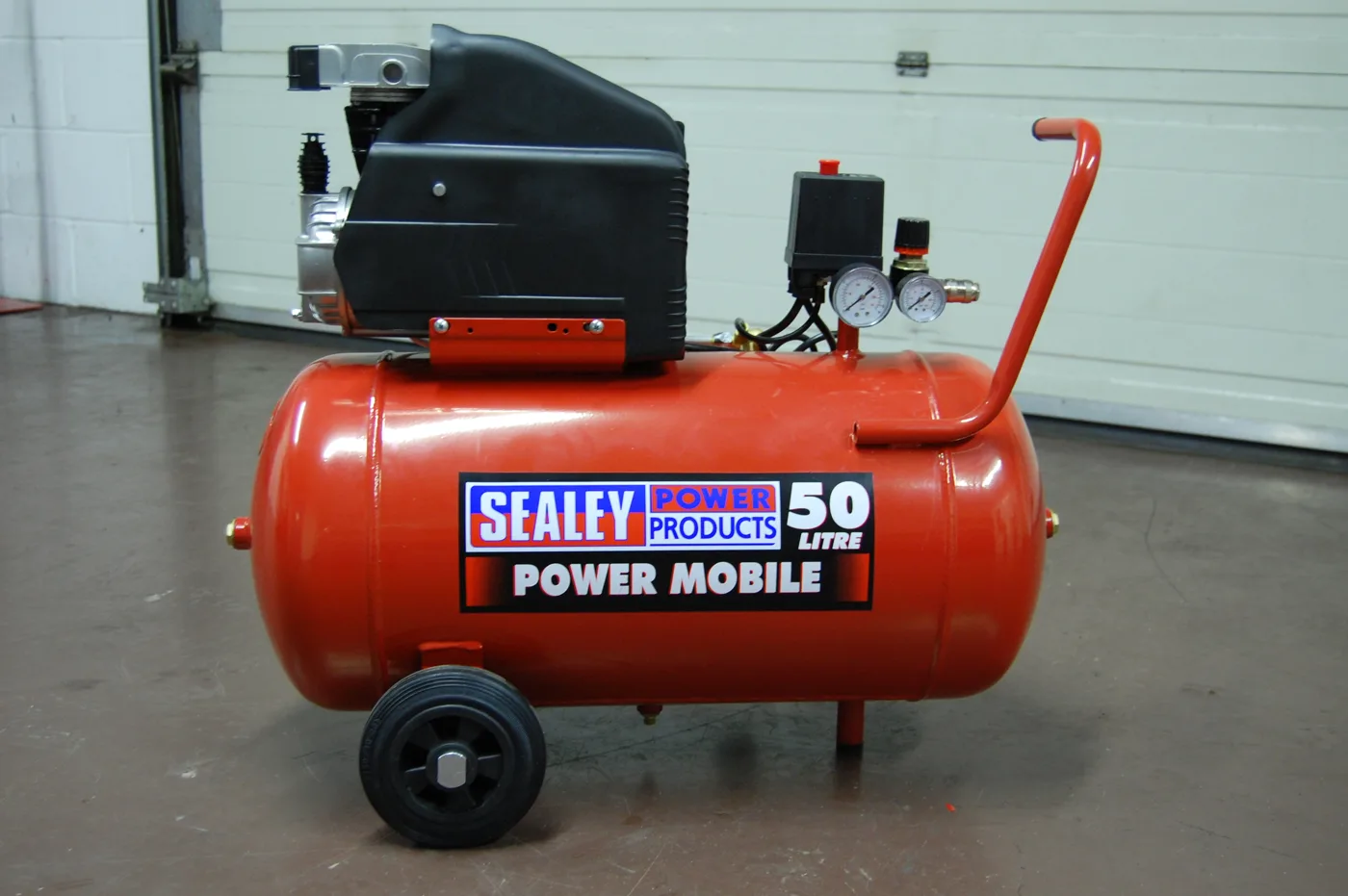
The air compressor tank, properly called the receiver, is the part most buyers think about last and should think about more. It does not make compressed air, but it stores it, and its size decides whether your tools run smoothly or stall while the pump scrambles to keep up. It is also the one component that can genuinely hurt you if it corrodes and fails, which makes tank care a safety issue, not just a maintenance chore.
This guide covers how to size a tank to your compressor and tools, how to stop it rusting from the inside out, and the clear signs that it is time to replace one. American gallon sizes are used throughout.
What the tank actually does
When the pump runs, it forces air into the tank until the pressure reaches the cut-out point, then it stops. Your tools then draw from that stored air, and the pump only kicks back in when pressure drops to the cut-in point. A bigger tank means longer runs between cycles, steadier pressure at the tool, and a pump that spends more time resting and less time running hot.
That last point matters for longevity. A compressor with too little storage for the job short-cycles, runs hotter, and wears out faster. Size the tank right and the whole machine lasts longer.
How to size an air compressor tank
Tank sizing follows the compressor’s air delivery, measured in CFM, and the tools you plan to run.
- Rule of thumb: aim for roughly 3 to 5 gallons of tank per 1 CFM of compressor output. A 20 CFM compressor is well matched to a 60 to 100 gallon tank.
- Add 20 to 30% if you run short-burst, high-demand tools such as impact wrenches, or continuous-draw tools such as sanders and grinders, which drain a tank quickly.
- Match the tool, not just the compressor. A continuous tool like a die grinder needs far more sustained air than an intermittent brad nailer, so a bigger tank buys you longer working time before the pump has to catch up.
If you are unsure of your numbers, our air compressor size calculator and air tool CFM chart turn your tools into a target tank size. For the difference between air volume and pressure, see CFM vs PSI.
Portable vs stationary tanks
Small portable compressors use pancake, hot dog, or twin-stack tanks, typically 1 to 6 gallons, sized for intermittent trim and finish work rather than sustained air. Stationary garage and shop compressors use vertical or horizontal tanks from around 20 gallons up to 60, 80, or more, giving the steady supply that air tools and spray equipment need. Our guide to air compressor types breaks down which tank style suits which job.
Keeping the tank from rusting
The tank’s biggest enemy is water. Compressing air heats it and squeezes out moisture, which then condenses into liquid water that pools at the bottom of the tank. Left there, it slowly corrodes the steel from the inside, thinning the wall where you cannot see it.
The fix is simple and non-negotiable: drain the tank regularly, ideally after every use for a portable unit and at least daily for a working shop compressor. Open the drain valve at the bottom, let the water and pressure out, and close it again. Our step-by-step on how to drain an air compressor tank walks through it, and water in your air compressor tank explains how to cut the moisture at the source with a separator or dryer.
A well-drained tank in a dry environment can last 30 years or more. A neglected one in a humid shop can corrode dangerously in 10 to 15.
When to replace an air compressor tank
Replace the tank, do not patch it, when you see any of the following:
- Internal corrosion that may have thinned the wall. Once rust has eaten into the steel, the tank can no longer be trusted to hold rated pressure.
- Dents, bulges, cracks, or any visible structural damage to the shell or welds.
- A failed pressure test, or a tank that weeps air from the body rather than a fitting.
- No ASME certification on a commercial or industrial tank, which is an OSHA compliance problem in a workplace.
- Persistent short-cycling because the tank is simply too small for your current air demand.
Never weld or braze a repair onto a pressure vessel to keep it in service. A corroded tank under pressure is a genuine explosion risk, which our guide on whether an air compressor tank can explode covers in detail. Steel tanks are stronger for heavy-duty use; aluminum tanks are lighter and naturally rust-resistant, which is why many portables use them.
The bottom line
Size the tank to give your tools 3 to 5 gallons per CFM, add a margin for thirsty tools, and then protect that investment by draining it religiously. Do those two things and the tank will outlast the pump. Neglect the water, and a rusted receiver becomes the most dangerous part of the machine.
For safe operation from day one, read our air compressor safety guide. For the official standard behind pressure vessels, the ASME Boiler and Pressure Vessel Code overview explains the certification you should look for on any tank.
Frequently asked questions
What size air compressor tank do I need? Aim for about 3 to 5 gallons of tank per 1 CFM of compressor output, then add 20 to 30% if you run high-demand tools like impact wrenches, sanders, or grinders. A 20 CFM compressor suits a 60 to 100 gallon tank, while small trim work is fine on a 1 to 6 gallon portable.
Why does water collect in my air compressor tank? Compressing air heats it and forces out moisture, which condenses into liquid water as the air cools inside the tank and pools at the bottom. This is normal, which is why every tank has a drain valve. Draining it regularly stops that water from rusting the tank and reaching your tools.
When should I replace an air compressor tank? Replace it if there is internal corrosion that may have thinned the wall, any dents, bulges, cracks, or structural damage, a failed pressure test, or, in a workplace, if it lacks ASME certification. Never repair a corroded pressure vessel; replace it, because a weakened tank can rupture.
How long does an air compressor tank last? A well-maintained, ASME-certified tank that is drained regularly and kept in a dry environment can last 30 years or more. A tank in a humid shop with poor draining can corrode enough to need replacing in as little as 10 to 15 years.
Are aluminum or steel air compressor tanks better? Steel tanks are stronger and better suited to heavy-duty and stationary use, while aluminum tanks are lighter and naturally resist rust, which is why many portable compressors use them. For a fixed shop compressor, a properly maintained steel tank is the norm; for a portable you carry around, aluminum’s light weight is an advantage.
More from Air Compressor Mag
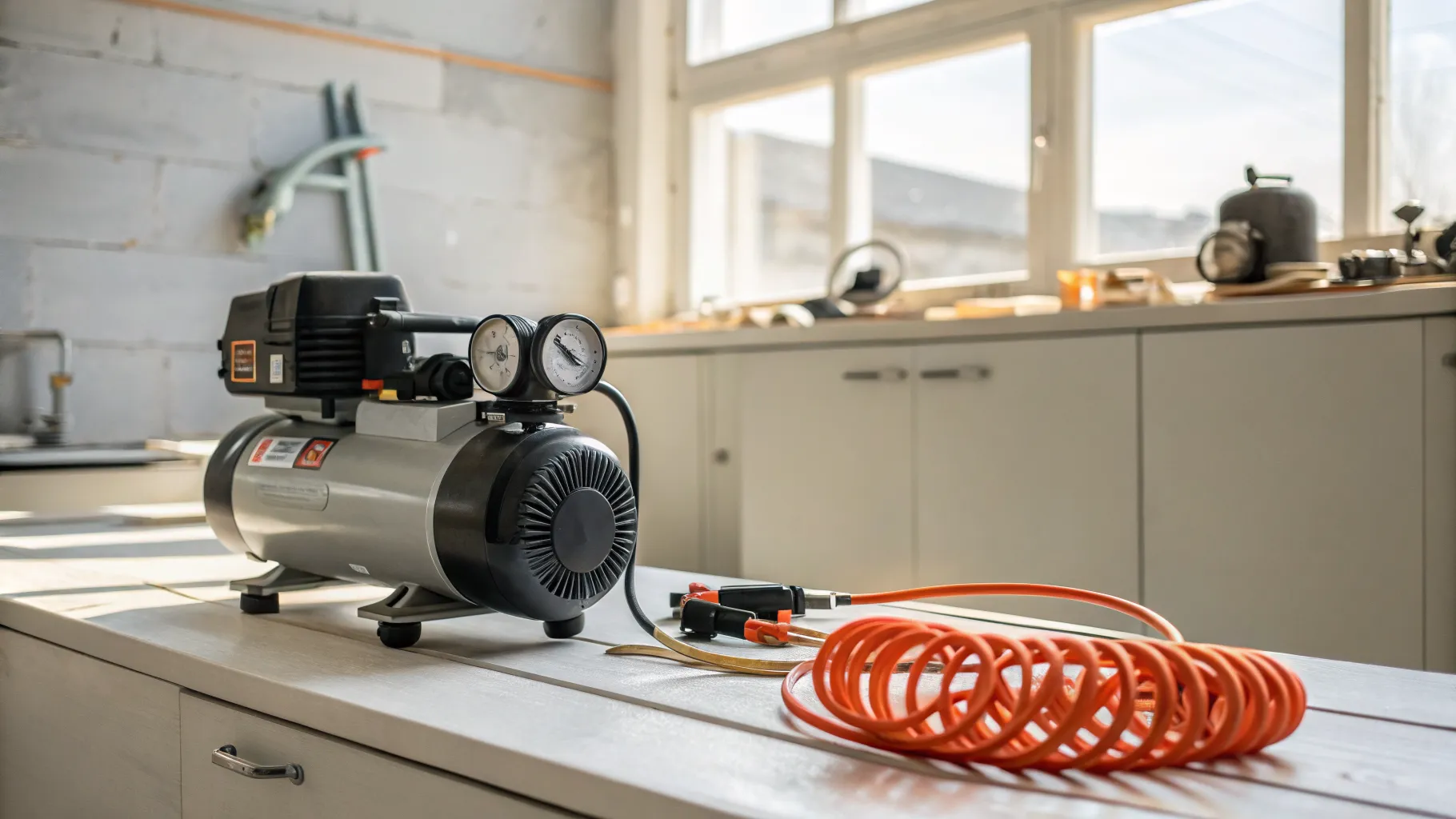
Best Portable Air Compressors: Picks by Job (2026)
Real portable air compressor picks by job, from tire inflation to framing, with the CFM at 90 PSI, tank size, and noise specs that actually decide it.
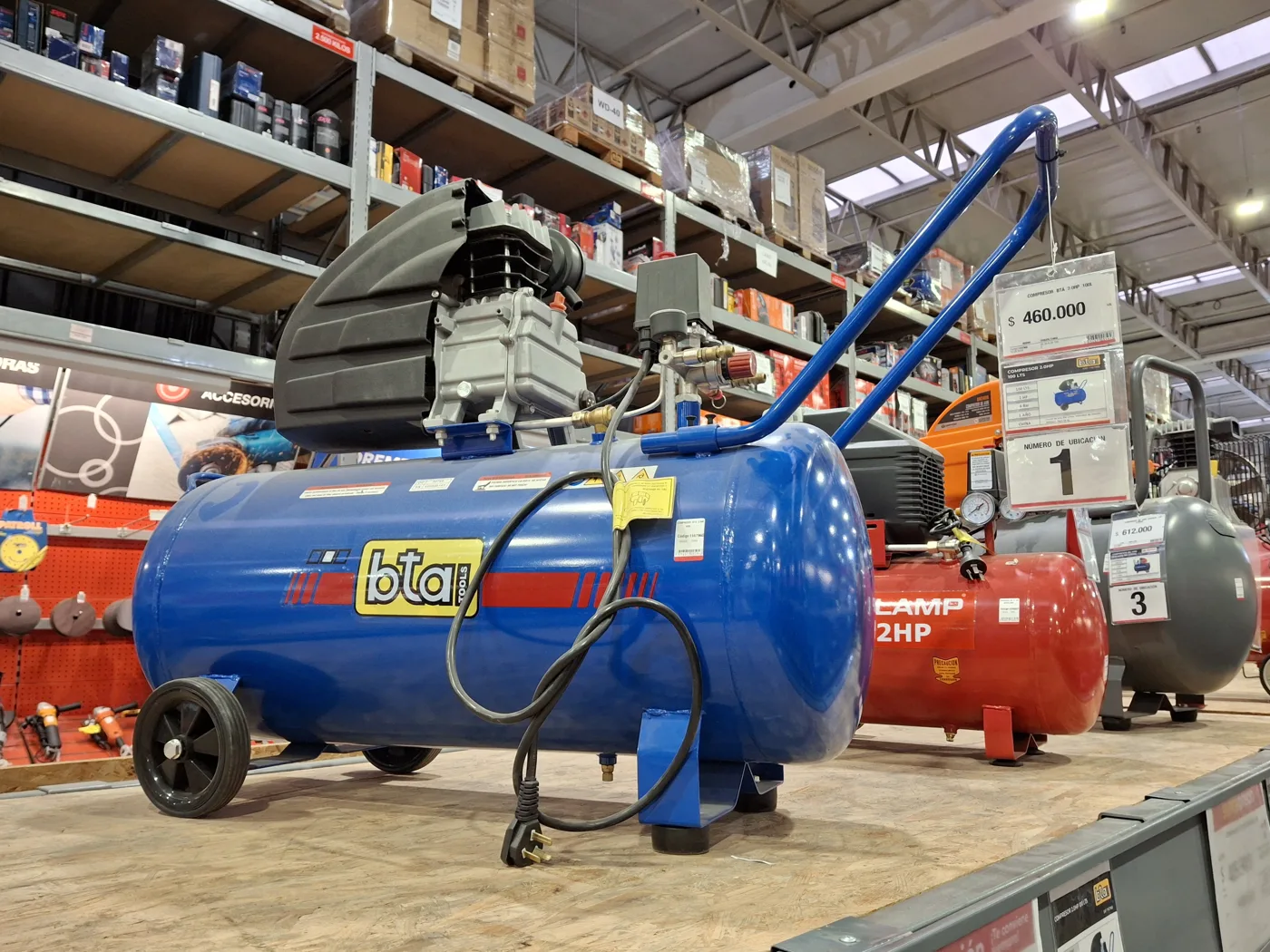
CFM Explained: How to Choose a High CFM Air Compressor for Your Tools
How to read CFM ratings and pick a high CFM air compressor: the 90 PSI standard, SCFM, a tool chart, and when you need 10, 20 or 50 CFM.
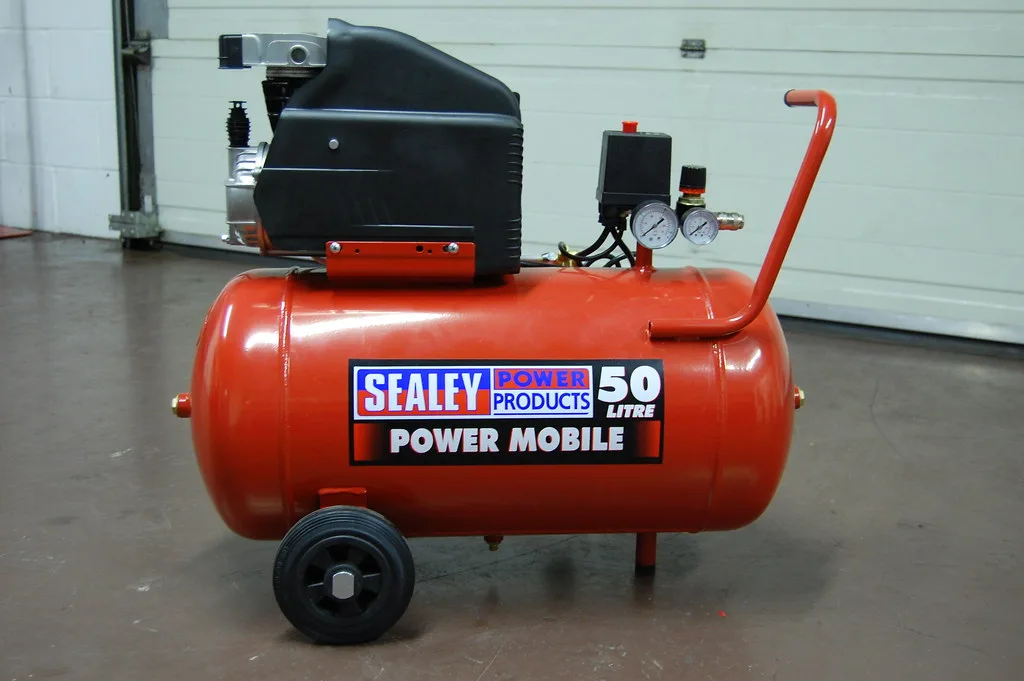
Best 30 Gallon Air Compressors for Workshops
The best 30 gallon air compressor picks for a home workshop, compared on CFM, max PSI, single-stage pumps and 120V wiring so you match the unit to your tools.