Pneumatic Air Tools Guide: What They Are and Which Compressor They Need
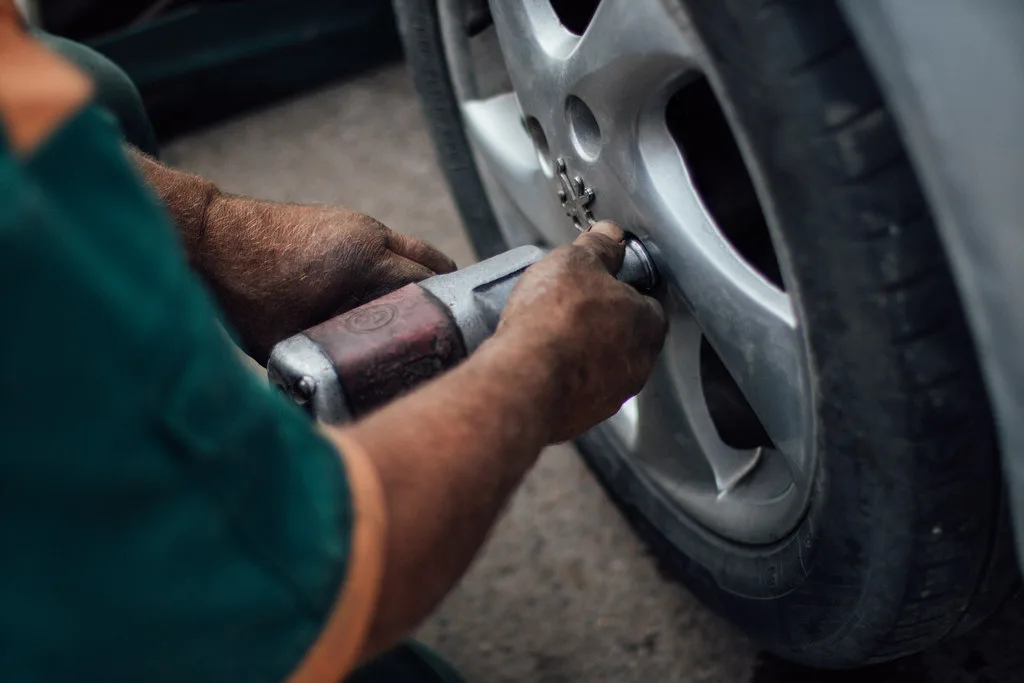
Pneumatic tools are tools driven by compressed air instead of an electric motor or battery. Feed them air at the right pressure and volume and they run cooler, lighter and often more powerful than their electric equivalents, which is why body shops, tire shops and serious home garages are built around an air compressor and a set of pneumatic tools rather than a wall of cordless kits. The catch is that every one of these tools has an appetite for air, and the number that trips people up is not pressure but flow. This guide explains what pneumatic tools are, how to read their air requirements, and how to size a compressor so your tools actually run the way they should.
PSI and CFM: the two numbers that matter
Two figures describe every air tool, and confusing them is the single most common mistake.
PSI (pounds per square inch) is pressure. Almost all pneumatic tools are designed to run at 90 PSI at the tool, and nearly every compressor on the market can hit that, so pressure is rarely the problem.
CFM (cubic feet per minute) is flow, the volume of air the tool consumes while running. This is the number that decides whether your compressor can keep up. If a tool needs more CFM than your compressor delivers, the tool bogs down, an impact loses its punch or a sander slows to a crawl while the motor cycles nonstop trying to catch up. When you compare tools and compressors, always compare CFM at 90 PSI, because a CFM rating quoted at a lower pressure looks bigger but means less. Our air compressor CFM guide goes deeper on the number itself.
Air tool CFM chart
These are typical air consumption figures at 90 PSI for common pneumatic tools. Treat them as a starting point and check the plate or spec sheet on your actual tool, since designs vary.
| Pneumatic tool | Typical CFM at 90 PSI |
|---|---|
| Brad / finish nailer | 0.5 to 2 |
| Framing nailer | 2 to 2.5 |
| Blow gun | 2 to 3 |
| Air ratchet | 3 to 4 |
| 1/2” impact wrench | 4 to 5 |
| Cut-off tool | 4 to 5 |
| Die grinder | 4 to 6 |
| Angle grinder | 5 to 8 |
| Orbital / DA sander | 6 to 9 |
| HVLP spray gun | 10 to 18 |
| 1” impact wrench | ~12 |
The pattern to notice: nailers and small ratchets barely sip air, while sanders, grinders and spray guns are thirsty. That difference drives everything about which compressor you need.
Intermittent vs continuous tools
Just as important as the CFM number is how long the tool runs at a time, its duty cycle.
Intermittent tools fire in short bursts: a nailer drives a nail, an impact wrench zips off a lug nut, then both sit idle while the tank refills. Most CFM charts assume about a 25% duty cycle for this kind of use. Because the tank buffers those short bursts, intermittent tools can run on a small compressor even if their peak draw looks high.
Continuous tools run steadily for minutes at a stretch: sanders, die grinders, cut-off tools and spray guns. These are the ones that expose an undersized compressor, because the tank drains faster than the pump can refill it. For continuous-use tools, industry guidance from the Compressed Air and Gas Institute is to multiply the published CFM by about 1.3 to 1.5x to get the real demand. A sander rated at 7 CFM at 25% duty actually needs closer to 10 CFM if you run it flat out.
How to size a compressor to your tools
The rule that keeps you out of trouble is simple: your compressor should deliver at least 1.5 times the CFM of your single most demanding tool at 90 PSI. Size for the hungriest tool you will run continuously, not the average.
If your heaviest tool is a 1/2” impact wrench at 5 CFM, a compressor delivering around 7 to 8 CFM handles it comfortably. If you plan to run a DA sander or a spray gun, you are looking at a much larger two-stage compressor delivering well into the double digits. This is why a small pancake compressor happily runs a finish nailer all day but stalls the moment you pick up a sander.
Two more points. First, if you will run several tools at once, add their CFM and apply a diversity factor, since not every tool is triggered at the same instant, then add a 15 to 20% safety margin. Second, tank size matters for intermittent tools: a bigger tank stores more air between pump cycles, smoothing out bursty tools even when the pump itself is modest. For the full process, see what size air compressor do I need and how to choose an air compressor.
A safety note on blow guns
One rule catches people out: OSHA standard 1910.242(b) limits compressed air used for cleaning to less than 30 PSI at the nozzle, and requires effective chip guarding and personal protective equipment. Standard blow guns sold for this purpose are designed to meet that limit. Never use full line pressure to clean skin or clothing, as compressed air can force its way into the body and cause serious injury.
For the accessories that connect all of this together, hoses, couplers, regulators and filters, see our air compressor accessories guide.
Frequently asked questions
What are pneumatic tools? Pneumatic tools are tools powered by compressed air from an air compressor rather than an electric motor or battery. Common examples include impact wrenches, air ratchets, nailers, die grinders, sanders and spray guns. They tend to be lighter, run cooler and often deliver more power for their size than electric equivalents.
How many CFM do I need to run air tools? It depends on the tool. Nailers and small ratchets need only 1 to 4 CFM, a 1/2” impact wrench needs 4 to 5 CFM, and continuous tools like DA sanders and spray guns need 6 to 18 CFM at 90 PSI. Size your compressor for at least 1.5 times the CFM of your most demanding tool.
Is PSI or CFM more important for air tools? CFM is usually the deciding factor. Almost all air tools run at 90 PSI, which nearly every compressor can supply, so pressure is rarely the limit. CFM, the volume of air flow, is what determines whether the compressor can keep the tool running without bogging down.
Why does my air tool keep running out of air? Almost always because the compressor cannot supply enough CFM for the tool, especially with continuous-use tools like sanders and grinders. The tank drains faster than the pump refills it. Check your tool’s CFM at 90 PSI against the compressor’s delivered CFM; the compressor should provide about 1.5 times as much.
Can I run a spray gun on a small air compressor? Usually not well. HVLP spray guns need a steady 10 to 18 CFM at 90 PSI, which is far beyond a small portable or pancake compressor. Spraying is a continuous task, so it demands a larger two-stage compressor with a big tank to avoid pressure drop and an uneven finish.
What is duty cycle and why does it matter? Duty cycle is the share of time a tool actually runs. Intermittent tools like nailers work in short bursts, so a small compressor can keep up. Continuous tools run steadily and need roughly 1.3 to 1.5 times their rated CFM in real use, which is why they require a much larger compressor.
More from Air Compressor Mag
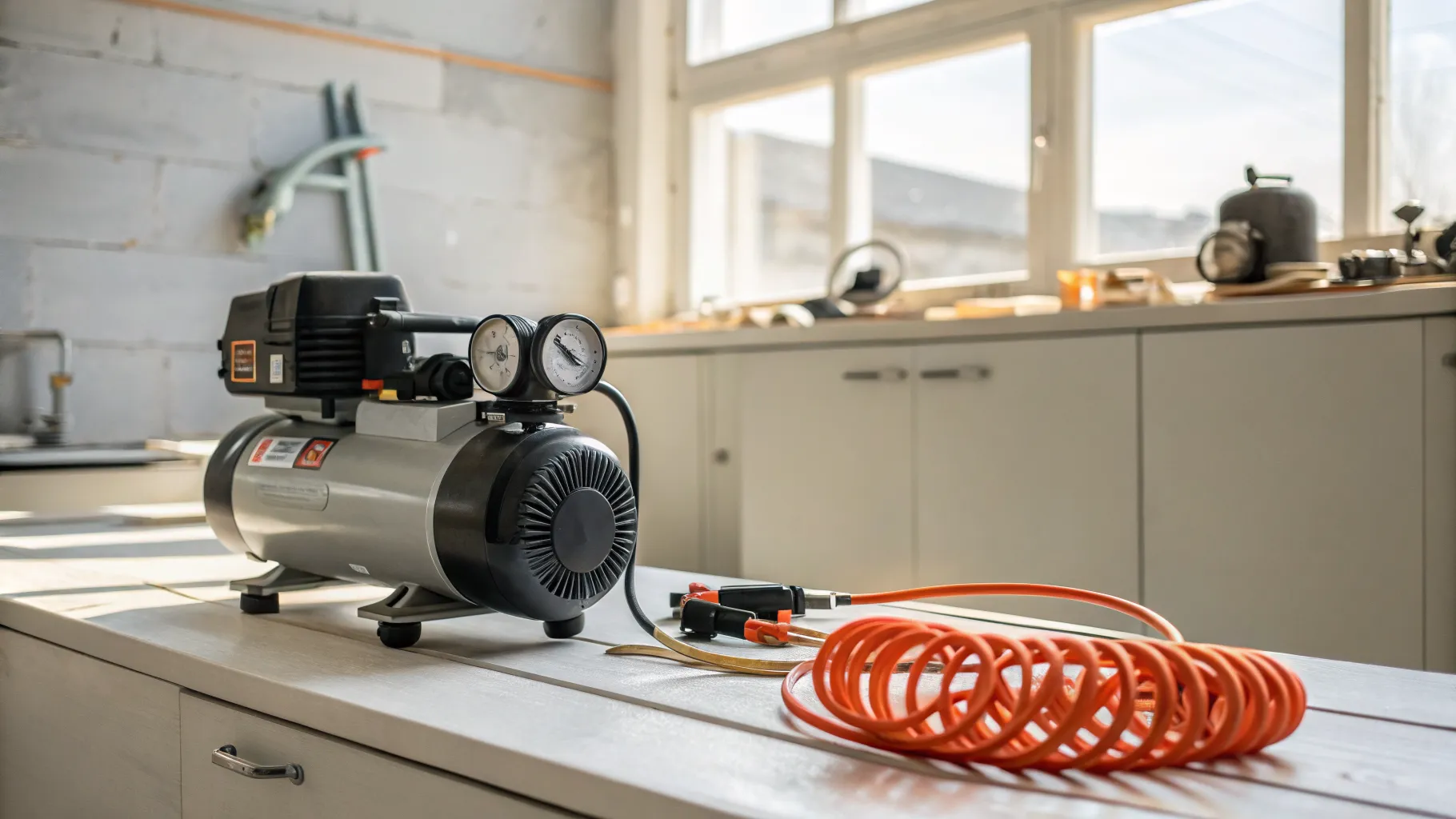
Best Portable Air Compressors: Picks by Job (2026)
Real portable air compressor picks by job, from tire inflation to framing, with the CFM at 90 PSI, tank size, and noise specs that actually decide it.
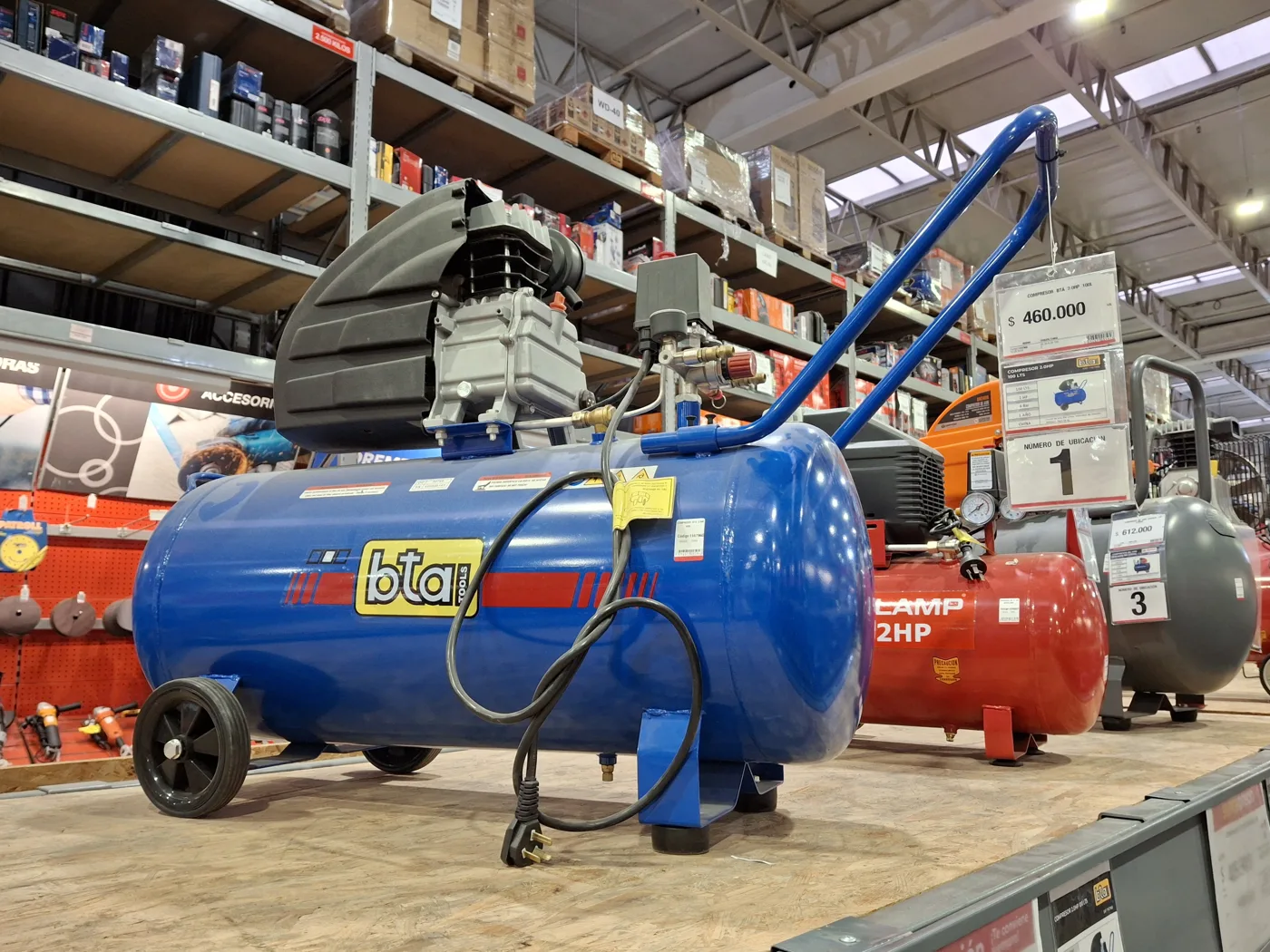
CFM Explained: How to Choose a High CFM Air Compressor for Your Tools
How to read CFM ratings and pick a high CFM air compressor: the 90 PSI standard, SCFM, a tool chart, and when you need 10, 20 or 50 CFM.
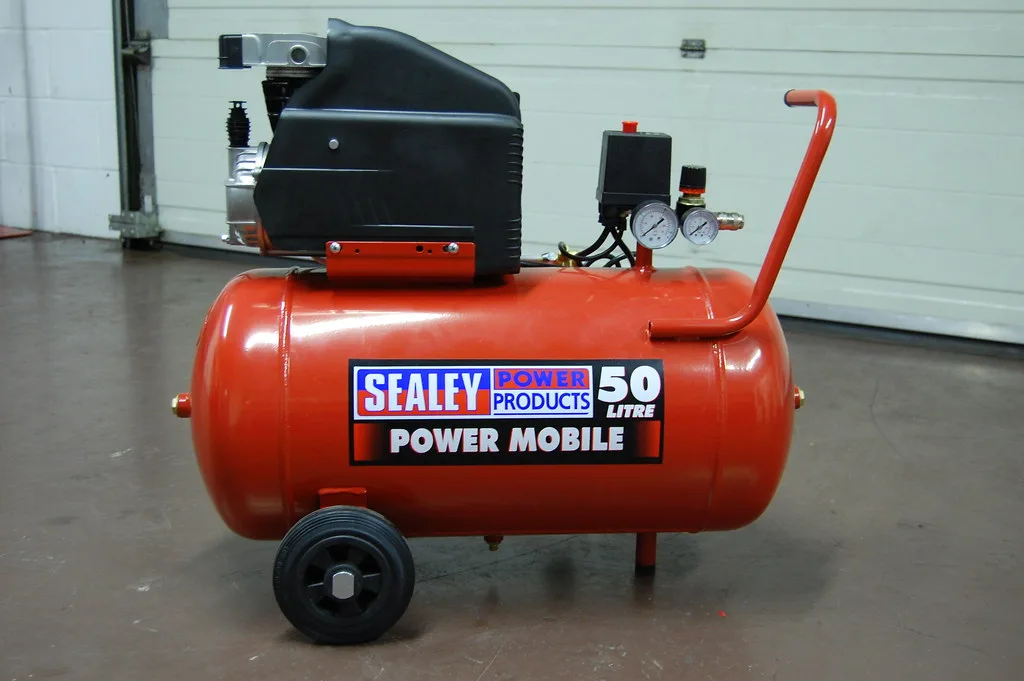
Best 30 Gallon Air Compressors for Workshops
The best 30 gallon air compressor picks for a home workshop, compared on CFM, max PSI, single-stage pumps and 120V wiring so you match the unit to your tools.