Best PCP Air Compressors for Filling Airguns and Dive Tanks
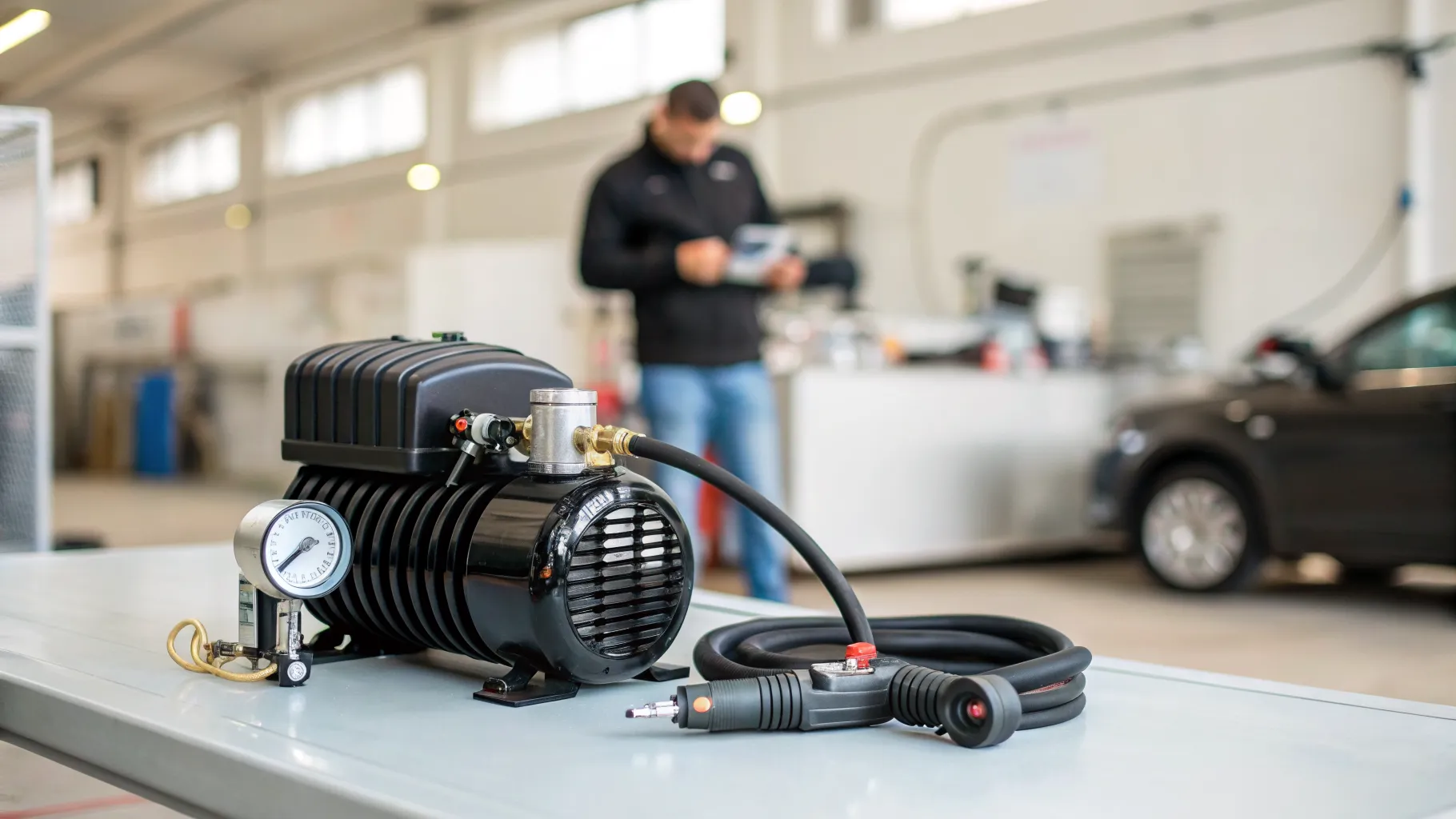
A PCP air compressor is a very different animal from the pancake unit in your garage. Precharged pneumatic airguns and dive tanks need 3,000 to 4,500 psi and beyond, an order of magnitude past a shop compressor, and that high pressure is unforgiving of moisture and heat. Buy the wrong one and you either cook it filling a big tank it was never meant for, or you pump wet air straight into a gun and rust it from the inside. This guide covers the best PCP air compressors for both jobs, how the portable and shop types differ, and the dry-air setup that keeps any of them alive.
Two kinds of PCP compressor
Before the picks, understand the split, because it decides which model is right for you.
- Portable direct-fill units are compact, often run on 12V and 110V, and are built to fill a gun’s onboard cylinder directly. Great for a range bag or a quick top-up, but they struggle and overheat if you ask them to fill a large tank.
- Shop bottle fillers are heavier, water-cooled or oil-lubricated units meant to fill carbon-fiber tanks and larger cylinders. Slower to set up, but they handle the big jobs a portable can’t.
Match the tool to the task. If you top up a gun at the bench, a portable is perfect. If you fill a 6.8L tank, you want a shop unit.
The best PCP air compressors
GX CS4 — best all-rounder
The GX CS4 is the value pick for most people. It fills airguns and larger tanks, reaches very high pressure (up to around 5,800 psi), and runs quieter and slower, and therefore cooler, than the old budget standard. Owners report filling a PCP from 3,000 to over 4,000 psi in a few minutes with reliable results. Its self-contained cooling means less fuss than an external-water setup. If you want one compressor that does both jobs well, start here. Check current price and confirm the current model revision before buying.
GX CS3 — affordable 4,500 psi bottle filler
The CS3 is the cheaper sibling and a genuinely affordable, reliable route to 4,500 psi. It is a solid choice if you mainly fill tanks and don’t need the CS4’s extra headroom or speed. Same quieter, slower philosophy that helps longevity.
Air Venturi Nomad III — best portable
The Nomad III is the go-to portable. It runs on 12V or 110V, has an adjustable auto shut-off so you can set your exact fill pressure up to 4,500 psi, and fills a small onboard cylinder quickly. The trade-off is honest: Air Venturi designs it to fill airguns, not to sit there filling big tanks, so keep it to its lane and it is excellent.
Hatsan TactAir Spark — most compact
The Spark is a genuinely pocketable dual-power unit that charges guns up to 4,500 psi with a simple interface and automatic shutoff. It is the one to throw in a range bag for direct gun fills. Like the Nomad, it is a gun filler, not a tank filler.
Yong Heng 4,500 psi — budget tank filler
The long-standing budget bottle filler. It is water-cooled, needs an external water and cooling loop, and it is louder and runs harder than the GX units, but it delivers quick, consistent 4,500 psi fills for the money. If your budget is tight and you are willing to manage the water cooling, it still earns a place. Check current price.
Dry air is not optional
High-pressure water is what kills PCP compressors and rusts guns. Every fill compresses the moisture in the air along with it, and at 4,500 psi that water is aggressive. Whatever unit you buy:
- Run an inline moisture filter or desiccant tower between the compressor and the gun or tank. Our water separator guide and compressed air filter guide explain the setup.
- Bleed the compressor’s water trap after every session.
- Let the unit cool between long fills, especially portables, and follow the duty-cycle limits in the manual.
Skipping this is the single most common reason a cheap PCP compressor dies early.
How to choose
Decide first whether you are filling guns, tanks, or both. For guns only, a Nomad III or Hatsan Spark is compact and quick. For tanks, or for both, a GX CS3 or CS4 is the reliable choice, with the Yong Heng as the budget alternative if you accept the water-cooling chore. Then budget for a proper drying stage on top of the compressor price; it is cheap insurance. For the wider decision on specs and sizing across all compressor types, see how to choose an air compressor and our air compressor specs explained guide. Genuine high-pressure work should always follow the cylinder and equipment guidance from a body like OSHA.
Frequently asked questions
What PSI do you need for a PCP air compressor? Most PCP airguns fill to between 3,000 and 4,500 psi, so you want a compressor rated to at least 4,500 psi. Dive tanks and some setups go higher, up to around 5,800 psi, which is where a unit like the GX CS4 has an advantage.
Can a portable PCP compressor fill a scuba or carbon-fiber tank? It can, slowly, but portables like the Nomad and Spark are designed to fill a gun’s onboard cylinder, not large tanks, and they overheat if pushed. For tank filling, use a shop unit such as the GX CS3, CS4 or a Yong Heng.
Do PCP air compressors need water cooling? Some do. Budget units like the Yong Heng use an external water-cooling loop and need it running. The GX units are self-contained and air-cooled, and portables use fans, so they are simpler to run, though all of them still need a moisture filter on the output.
Why is dry air so important for PCP airguns? High-pressure air carries compressed moisture that rusts your gun and corrodes the compressor. An inline desiccant or moisture filter, plus bleeding the water trap after each fill, keeps the air dry and protects both the tool and the airgun.
Is the GX CS4 better than the Yong Heng? For most people, yes. The GX CS4 runs quieter and cooler, reaches higher pressure and is easier to live with. The Yong Heng is cheaper but louder and needs external water cooling. Choose the Yong Heng only if budget is the deciding factor.
How long does a PCP compressor take to fill an airgun? A portable typically fills a small onboard cylinder in several minutes, for example filling a 250cc cylinder to 3,000 psi in roughly 9 minutes. Larger tanks take considerably longer and should be done on a shop-grade unit with cooling.
More from Air Compressor Mag
Best Portable Air Compressors: Picks by Job (2026)
Real portable air compressor picks by job, from tire inflation to framing, with the CFM at 90 PSI, tank size, and noise specs that actually decide it.
CFM Explained: How to Choose a High CFM Air Compressor for Your Tools
How to read CFM ratings and pick a high CFM air compressor: the 90 PSI standard, SCFM, a tool chart, and when you need 10, 20 or 50 CFM.
Best 30 Gallon Air Compressors for Workshops
The best 30 gallon air compressor picks for a home workshop, compared on CFM, max PSI, single-stage pumps and 120V wiring so you match the unit to your tools.