Air Horn Compressor Kits: How They Work and What to Buy
Air Horn Compressor Kits: How They Work and What to Buy
An air horn compressor is the heart of any train horn setup, and it is the part most people get wrong. The horn itself is just a trumpet; it makes no sound without a strong, fast burst of stored compressed air behind it. That air comes from an onboard 12V compressor filling a tank, and if the compressor, tank and switch are not matched to the horn, you get a weak honk instead of the thunderous blast you paid for. This guide explains exactly how the system works, the components that matter, and how to choose a compressor that keeps up with a real train horn.
If you are new to compressed air in general, our explainer on how an air compressor works covers the basics that apply here too.
How an air horn system actually works
A train horn does not run off the compressor directly. Instead, the compressor pressurizes and stores air in a tank, and the horn dumps that stored air in one loud burst when you hit the button. The sequence looks like this:
- The 12V compressor runs and fills the air tank to a set pressure.
- A pressure switch shuts the compressor off once the tank is full.
- When you press the horn button, a solenoid valve opens and releases a large volume of tank air through the horns.
- The tank pressure drops, the pressure switch senses it, and the compressor kicks back on to refill.
That tank is why a small compressor can still run a loud horn: the horn draws on stored air far faster than any 12V compressor could supply in real time. Get the tank size right and even a modest compressor keeps the horn ready between blasts.
The components that matter
A complete air horn kit is more than a compressor. For it to work reliably you need:
- The compressor. The onboard pump that fills the tank. Its duty cycle and output determine how fast the tank refills and how long the pump lasts.
- The air tank. Stores the air that actually blows the horn. A bigger tank gives longer, back-to-back blasts before the compressor has to catch up.
- The pressure switch. Turns the compressor on at a “cut-in” pressure and off at a “cut-out” pressure, so the tank stays charged without over-pressurizing.
- A check valve. Stops tank air from flowing back into the compressor when it shuts off.
- The solenoid valve. The electrically operated valve that releases tank air to the horns when you press the button.
- A relay, wiring, drain cock and fittings. The compressor draws high current, so it needs a proper relay and gauge wiring, and the tank needs a drain to remove moisture.
Skimping on any of these, especially the check valve, pressure switch and wiring, is where cheap kits fail. Reputable kit makers like HornBlasters and Kleinn sell these as complete, matched systems for exactly this reason.
Duty cycle is the number to watch
The single most important spec on an air horn compressor is its duty cycle: how much of a given period it can run before it needs to cool down. Compressors are commonly sold as:
- Medium duty: fine for a small tank and occasional blasts. It will fill the tank, then rest. Good enough for a modest, weekend setup.
- Constant duty (100% duty cycle): built to run continuously without overheating, which you want for larger tanks, air suspension, or if you also run air tools off the system.
If you plan a big tank or want the horn ready constantly, buy a constant-duty compressor. Matching a medium-duty pump to a large tank means it can overheat trying to keep up. Our guide to air compressor duty cycle explains this in more depth.
Popular onboard air horn compressors
For a real train horn or onboard air system, these are the compressors that come up again and again, because they are built for 12V vehicle use and pair with a tank, pressure switch and the rest of a system:
- Viair 12V compressors (such as the 400C, 444C and 485C series) are a common choice, sold in medium and constant-duty versions to match tank size.
- HornBlasters onboard compressors are sold as part of matched train horn kits, taking the guesswork out of pairing.
- Kleinn onboard air systems, including the ProBlaster kits, bundle the compressor, tank and horns together.
- Air Zenith OB2 and Oasis compressors are heavier-duty options for larger tanks and demanding setups.
Always confirm the compressor’s rated duty cycle, its maximum pressure, and that it is designed for onboard (permanent vehicle) mounting rather than as a portable tire inflator. Check the current specs on the manufacturer or seller page before buying, since model numbers and ratings change.
Matching the compressor to your tank and horn
The rule of thumb: bigger tank plus louder horn means you need a higher-output, higher-duty-cycle compressor to keep it charged. A small onboard tank and a compact horn can run happily on a medium-duty pump. A large multi-gallon tank feeding a big triple train horn, especially if you also want to run air tools or air suspension off it, calls for a constant-duty compressor. Undersize the compressor and the horn simply will not recover between blasts; oversize the tank without upgrading the pump and you overwork it.
For general safety around any compressed-air setup, including legal use of train horns on the road, see our air compressor safety guide and always check your state and local rules on aftermarket horns. The Federal Railroad Administration’s horn standards are a useful reference on how loud real train horns are.
Frequently asked questions
Do air horns need a compressor? Yes. A train-style air horn makes no sound without pressurized air behind it. In a vehicle setup, a 12V onboard compressor fills an air tank, and the horn releases that stored air in a burst when you press the button. Small portable canned-air horns exist, but any serious loud horn needs a compressor and tank system.
What size compressor do I need for a train horn? It depends on your tank size and how often you want to sound the horn. A small tank and occasional use can run on a medium-duty compressor, while a large tank, a big triple horn, or shared use with air suspension or air tools calls for a constant-duty (100% duty cycle) compressor that can run continuously without overheating.
Why does my air horn sound weak? Almost always because the tank pressure is low or the tank is too small to feed the horn a full blast. Check that the compressor is filling the tank to its cut-out pressure, that the check valve holds pressure, and that the tank and lines are large enough. An undersized or slow-refilling compressor is the usual culprit.
What is a pressure switch and why do I need one? The pressure switch automatically controls the compressor. It turns the pump on when tank pressure drops to the cut-in point and off when it reaches the cut-out point, keeping the tank charged without over-pressurizing it. Without one, you would have to manually switch the compressor and risk over-pressurizing the tank.
Can I run air tools off an air horn compressor system? Sometimes, but only if the compressor is a constant-duty unit and the tank is large enough. Air horns need a quick burst, while air tools need sustained airflow, which is far more demanding. A medium-duty horn compressor will overheat trying to run tools. If you want both, build the system around a constant-duty compressor and an adequately sized tank.
More from Air Compressor Mag
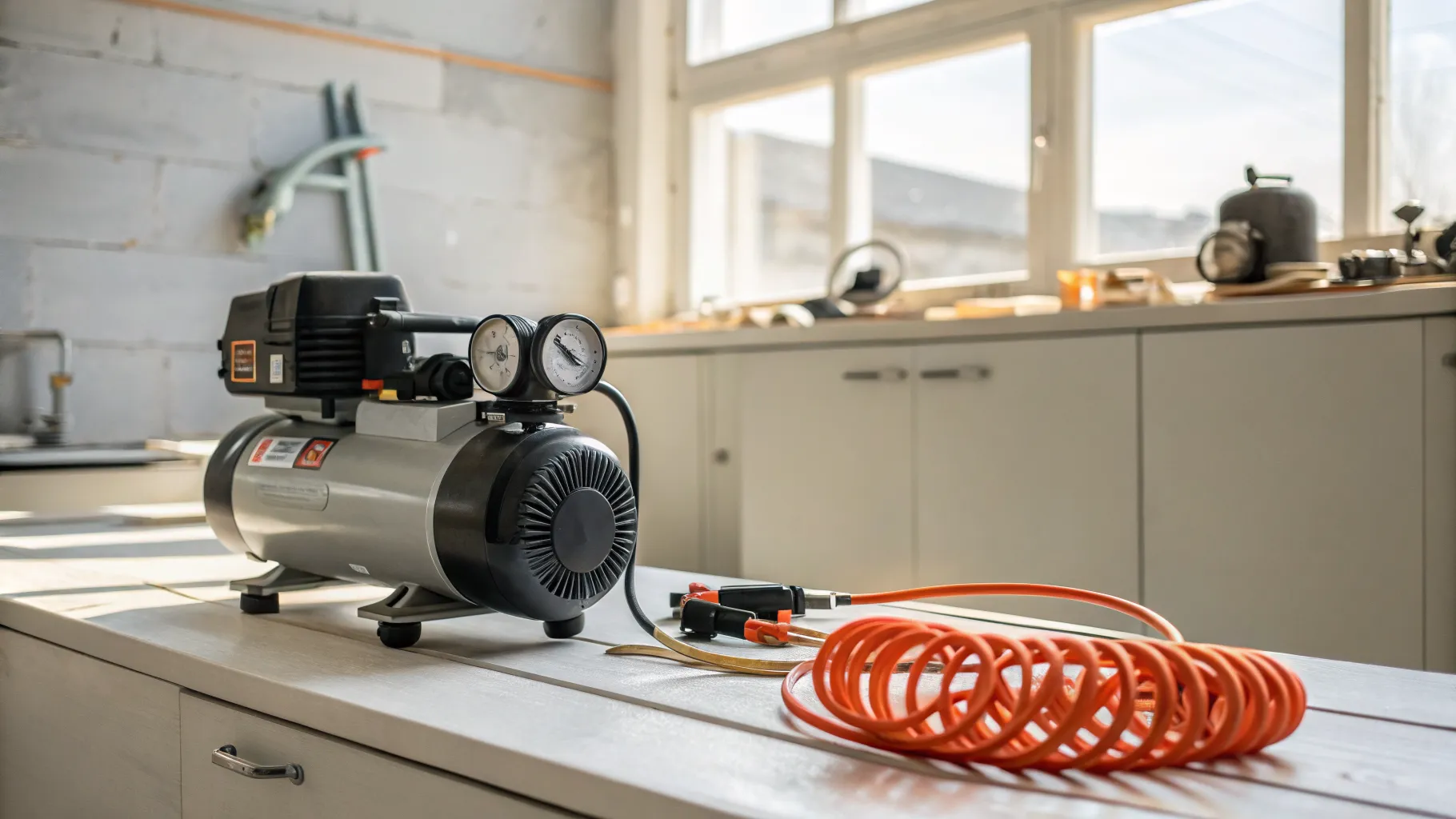
Best Portable Air Compressors: Picks by Job (2026)
Real portable air compressor picks by job, from tire inflation to framing, with the CFM at 90 PSI, tank size, and noise specs that actually decide it.
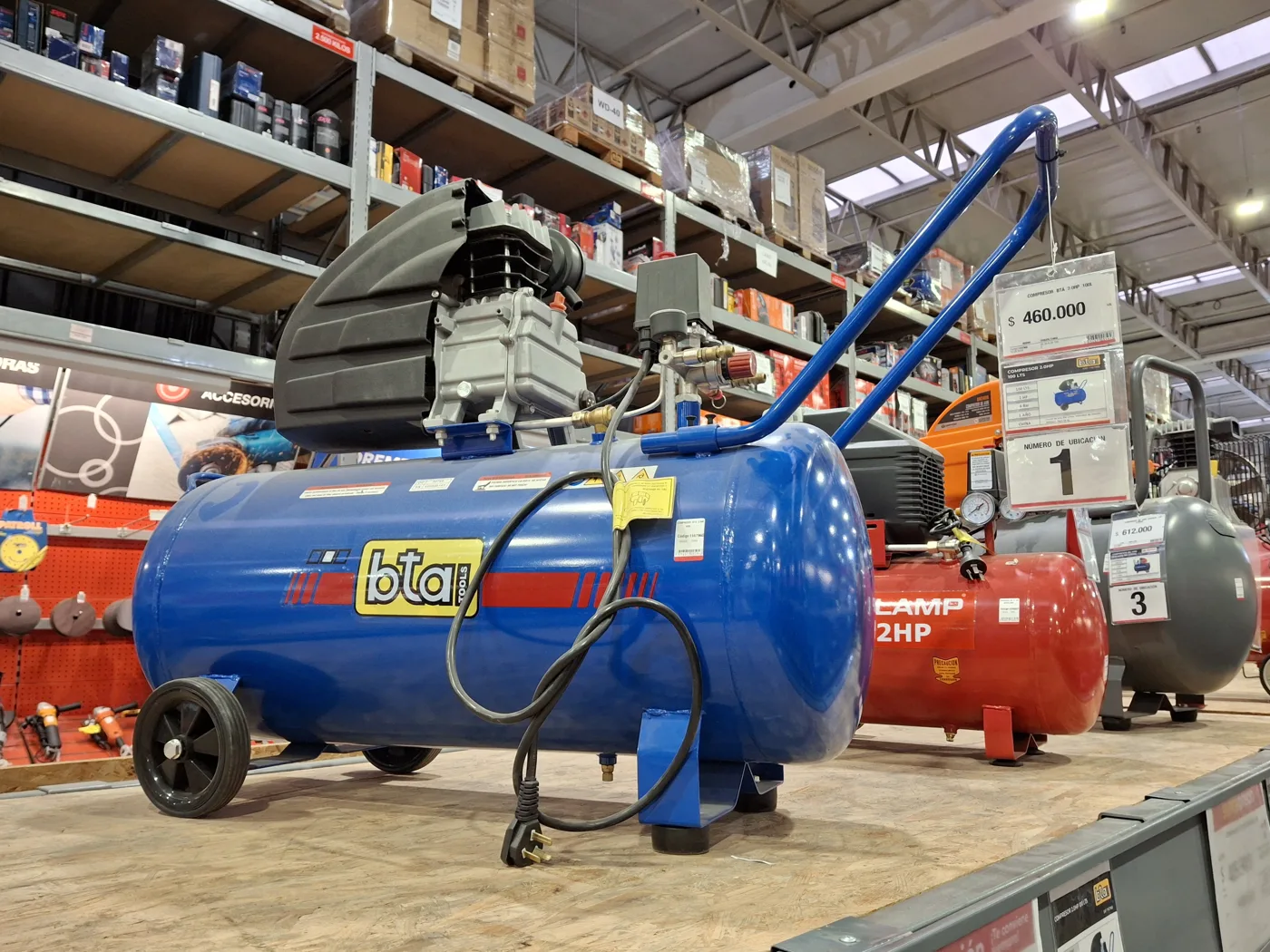
CFM Explained: How to Choose a High CFM Air Compressor for Your Tools
How to read CFM ratings and pick a high CFM air compressor: the 90 PSI standard, SCFM, a tool chart, and when you need 10, 20 or 50 CFM.
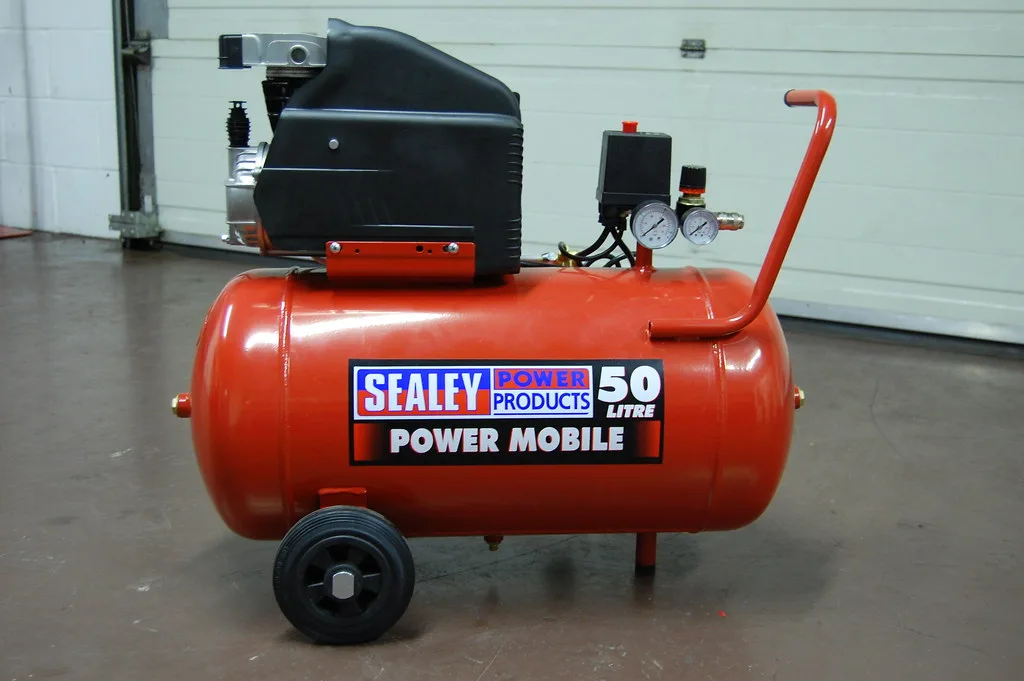
Best 30 Gallon Air Compressors for Workshops
The best 30 gallon air compressor picks for a home workshop, compared on CFM, max PSI, single-stage pumps and 120V wiring so you match the unit to your tools.