Best Diesel Air Compressors for Construction and Remote Sites
A diesel air compressor is what you reach for when there is no power outlet in sight and you need serious, sustained airflow: breaking concrete, sandblasting, running multiple air tools on a job site, or working somewhere the grid does not reach. These are towable rotary-screw machines built to run all day off a diesel engine, and they play in a completely different league from the electric pancake unit in a home garage. This guide covers the diesel air compressor sizes that matter, the brands and models that dominate US job sites, and how to size one so you are not paying to haul around air you never use.
When you actually need a diesel compressor
The dividing line is airflow and independence. If your work stays near a building with power and you only run one tool at a time, a large electric or a truck-mounted air compressor is simpler and cheaper to own. You need a diesel towable when:
- There is no reliable electric power (remote sites, road work, utilities, pipelines).
- You need high, continuous CFM to run pneumatic breakers, drills, or a sandblaster.
- Multiple tools run at once and demand more air than any plug-in unit delivers.
Diesel units are rated by CFM (cubic feet per minute) at a working pressure, usually around 100 PSI. That CFM number is the whole game, so getting it right matters more than the badge on the machine. Our guide on what size air compressor you need and the specs explained page walk through the math.
Diesel air compressor sizes, and what each one runs
Think in tiers rather than models first.
185 CFM (the workhorse). This is by far the most common towable size and the default rental unit. At roughly 185 CFM at 100 PSI it comfortably runs one or two 90 lb pneumatic breakers, a chipping hammer, or a couple of smaller air tools. For most general construction and utility crews, 185 is the sweet spot.
375 CFM (mid-size). Steps up for bigger drills, running several tools at once, or light sandblasting. A common choice when one 185 keeps running out of air.
750 to 1600 CFM (heavy). Reserved for serious sandblasting, water well drilling, and large-scale demolition. These are big, thirsty machines you rent by the project unless you run that work full time.
A useful habit: total the CFM demand of every tool you might run at the same time, then add roughly 25 percent headroom. Undersizing is the number one mistake, because a starved compressor cannot hold pressure and the tools bog down.
The brands and models that dominate US sites
A handful of manufacturers own this category, and their 185-class machines are the ones you will see on almost every job site.
Doosan Portable Power (P185). The Doosan P185, the direct descendant of the legendary Ingersoll Rand P185, is arguably the benchmark 185 CFM towable. It is known for fuel efficiency and cold-weather starting, delivers 185 CFM at 100 PSI, and offers adjustable pressure up to around 125 PSI. If you buy or rent one machine, this is the safe default.
Atlas Copco (XAS 185, XATS 400). Atlas Copco’s XAS 185 is a global standard in the 185 class, with the XATS 400 covering the mid-size range. Well built and widely serviced.
Sullair (185 Series). The Sullair 185 T4F is a US-market staple, offered with proven engines such as the CAT C2.2, Kubota, or Perkins, and a strong reputation for durability.
Chicago Pneumatic and Kaeser. Chicago Pneumatic’s CPS-series and Kaeser’s Mobilair M-series (such as the M57) are respected alternatives, often chosen for specific engine or serviceability preferences.
Because these are expensive machines whose used prices swing widely with hours and condition, treat any figure you see as a starting point and get a current quote. Check the manufacturer specs directly, for example the Sullair 185 series page, before you commit.
Buy or rent?
For occasional use, rent. A 185 towable is available at nearly every equipment yard, and renting sidesteps maintenance, storage, and the diesel engine upkeep. Buy only when you are running one enough weeks per year that ownership beats the rental meter, and factor in engine servicing, air-end maintenance, and DEF or emissions requirements on newer Tier 4 Final engines. Whichever way you go, keep up with filters and oil: our air compressor filter guide and air compressor oil pages apply to diesel units too, and a neglected air-end is the fastest way to kill an expensive machine.
Safety and operation
Diesel compressors produce exhaust and are loud, so never run one in an enclosed space, and follow OSHA guidance on compressed air and hearing protection on site. The federal OSHA compressed air standards are the authority for safe operation, hose whip checks, and pressure limits. Always fit whip-check cables on hose couplings, since a 100+ PSI hose that comes loose is dangerous.
The bottom line
For most construction and remote work, a 185 CFM towable diesel air compressor is the right answer, and a Doosan P185, Atlas Copco XAS 185, or Sullair 185 will not steer you wrong. Step up to 375 CFM when one 185 keeps running dry, and reserve the big 750-plus machines for sandblasting and drilling. Size on total CFM demand plus headroom, rent unless you run the work regularly, and keep the maintenance current. Do that and the machine disappears into the job, which is exactly what you want from it.
Frequently asked questions
What is a diesel air compressor used for? A diesel air compressor provides high, continuous airflow on sites without reliable electric power. It runs pneumatic tools like jackhammers, chipping hammers, and drills, powers sandblasting and drilling rigs, and supplies multiple tools at once. Because it is towable and engine-driven, it suits road construction, utilities, pipelines, and any remote or off-grid work.
What size diesel air compressor do I need? Add up the CFM demand of every tool you will run at the same time, then add about 25 percent headroom. A 185 CFM towable handles one or two large breakers and is the most common choice. Step up to 375 CFM for bigger drills or several tools at once, and 750 CFM or more for sandblasting and well drilling.
Which is the best 185 CFM diesel air compressor? The Doosan P185, descended from the Ingersoll Rand P185, is widely regarded as the benchmark for its fuel efficiency and cold-weather starting. The Atlas Copco XAS 185 and Sullair 185 are equally proven alternatives. All three are common, well supported, and easy to service in the US.
Should I buy or rent a diesel air compressor? Rent for occasional use, since 185 towables are available at nearly every equipment yard and renting avoids maintenance and storage. Buy only if you use one enough weeks per year to beat the rental cost, and budget for engine servicing, air-end maintenance, and emissions upkeep on newer Tier 4 Final machines.
How much fuel does a diesel air compressor use? It depends on the size and load, but fuel use rises sharply with CFM and how hard the tools work the machine. A 185 unit sips far less than a 750 CFM sandblasting compressor. Running a compressor that is correctly sized for the job, rather than oversized, is the simplest way to control fuel cost.
Can you run a diesel air compressor indoors? No. Diesel engines produce carbon monoxide and other exhaust, so these machines must run outdoors or in fully ventilated areas only. They are also very loud, so hearing protection is required on site, and hose whip-check cables should always be fitted for safety.
More from Air Compressor Mag
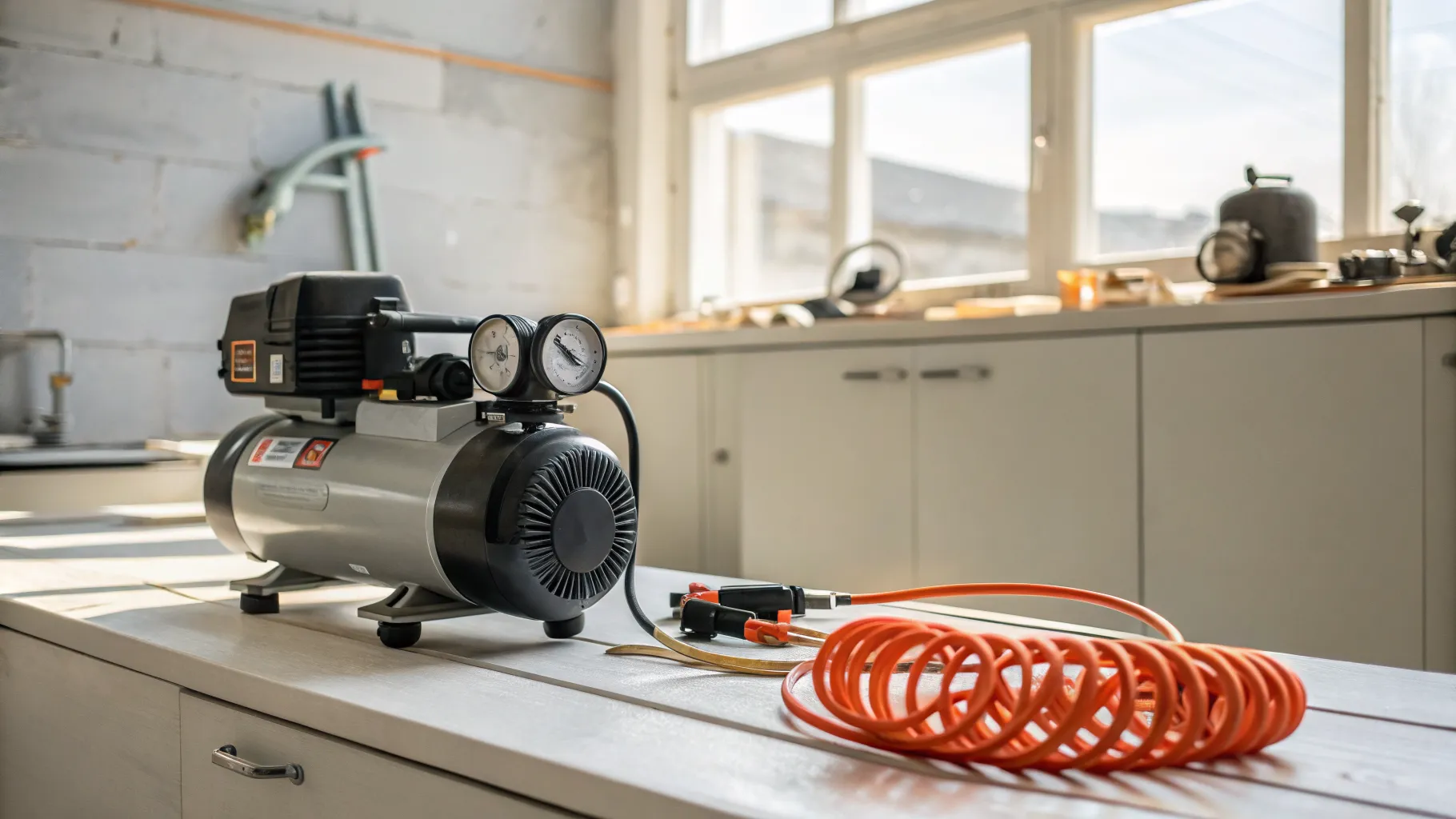
Best Portable Air Compressors: Picks by Job (2026)
Real portable air compressor picks by job, from tire inflation to framing, with the CFM at 90 PSI, tank size, and noise specs that actually decide it.
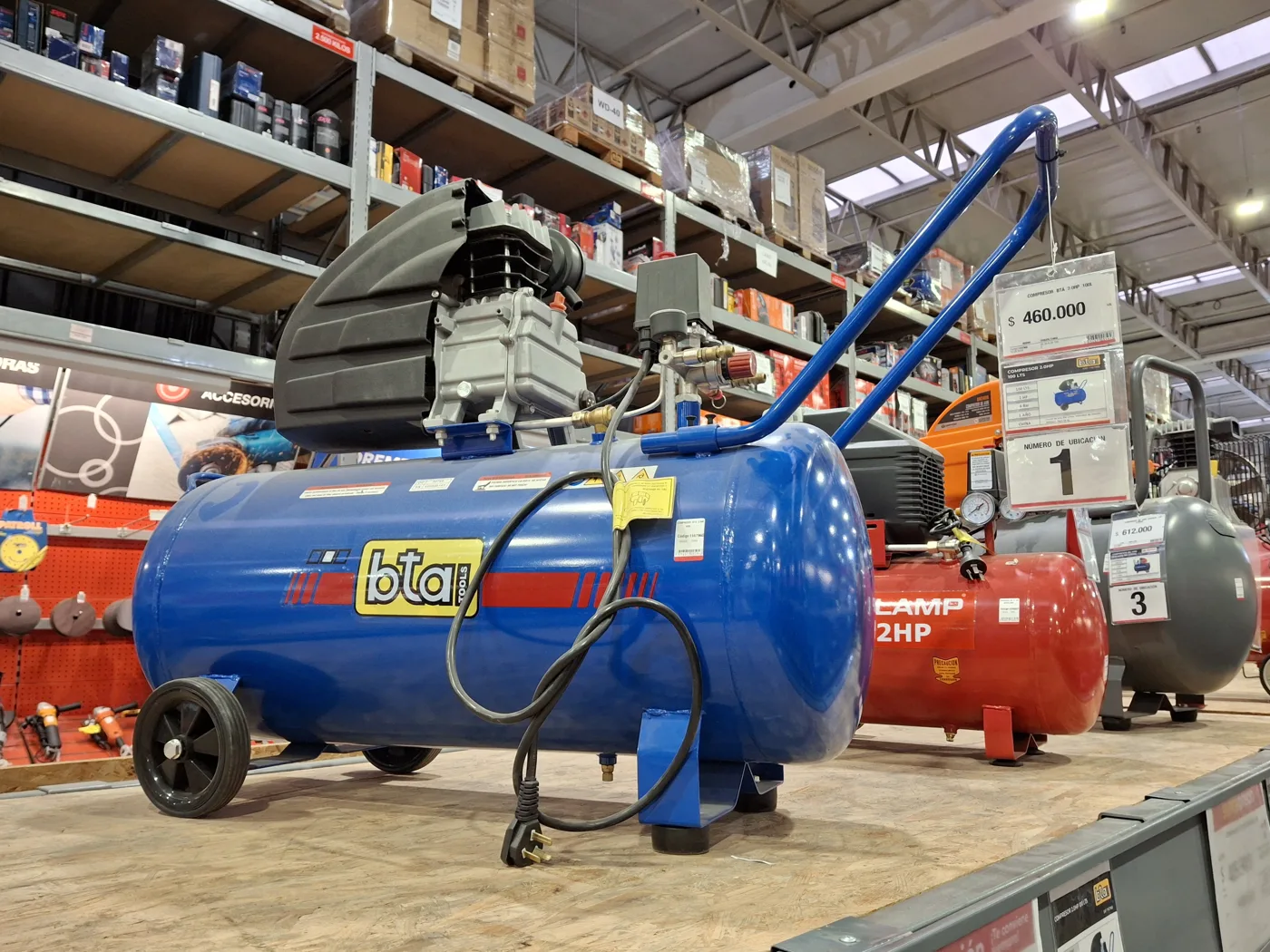
CFM Explained: How to Choose a High CFM Air Compressor for Your Tools
How to read CFM ratings and pick a high CFM air compressor: the 90 PSI standard, SCFM, a tool chart, and when you need 10, 20 or 50 CFM.
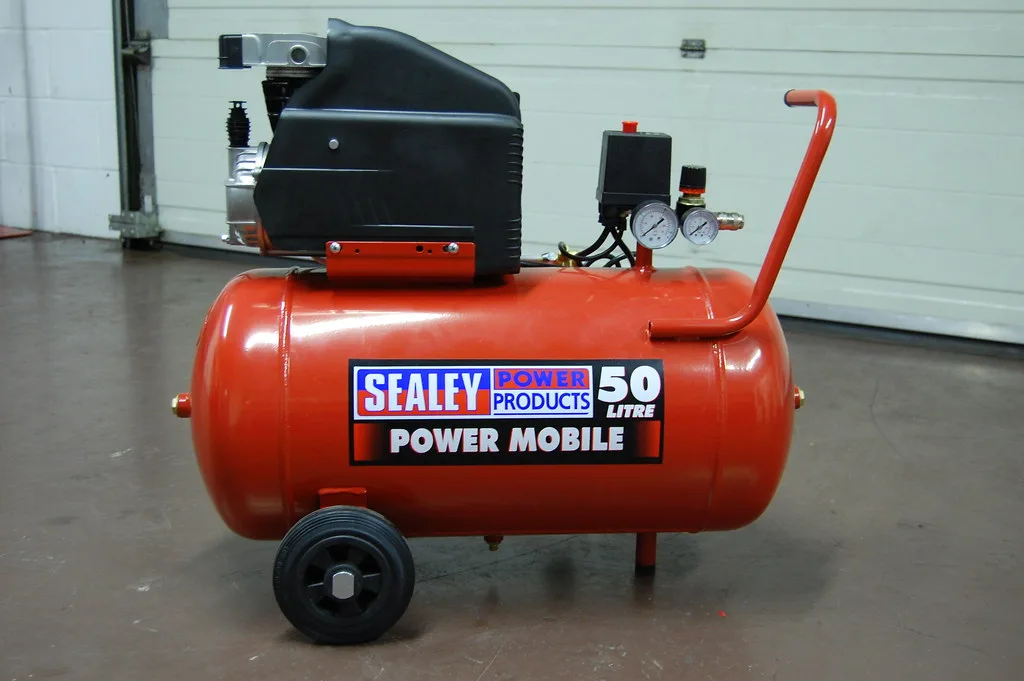
Best 30 Gallon Air Compressors for Workshops
The best 30 gallon air compressor picks for a home workshop, compared on CFM, max PSI, single-stage pumps and 120V wiring so you match the unit to your tools.