SCFM to ACFM Calculator: Altitude, Temp and Pressure
SCFM is air counted at a fixed reference condition; ACFM is the volume the air actually takes up where you are. Enter a flow, your elevation, intake temperature and line pressure, and this converts one to the other. The key point: a compressor's pump moves a fixed volume of actual air, so at 5,000 feet the same pump delivers roughly 17% less standard air than it does at sea level.
Convert SCFM and ACFM
How the conversion works
Both units count cubic feet per minute. The difference is the condition the air is measured at. Standard cubic feet are corrected to a fixed pressure and temperature, so a cubic foot means the same mass of air everywhere. Actual cubic feet are measured at the real pressure and temperature on site. The calculator uses the ideal gas relationship:
ACFM = SCFM × (Pstd ÷ Pactual) × (Tactual ÷ Tstd)
Pressures are absolute (psia) and temperatures are in degrees Rankine (°F + 459.67). Absolute pressure is the barometric pressure plus the gauge pressure in the line. Barometric pressure is estimated from elevation with the standard atmosphere formula, or you can type in a reading from a local weather station (use the station pressure, not the sea-level-corrected figure). When the line pressure is 0 and humidity is above 0, water vapor's share of the intake pressure is subtracted, because the standard references here are for dry air. Downstream of the compressor, most of that moisture condenses out in the aftercooler and tank, so humidity is applied to intake conditions only.
Why this matters when you buy a compressor
- Altitude cuts real output. A piston pump sweeps the same actual volume every stroke. Thinner air at elevation means each stroke holds less of it, so the SCFM you get falls roughly in line with barometric pressure. Run the calculator in ACFM to SCFM mode with your elevation to see the drop.
- Hot intake air does the same. A compressor drawing 100°F garage air takes in less mass per stroke than one breathing 68°F air. Ducting cooler air to the intake helps.
- Air at line pressure takes up far less room. 10 SCFM squeezed to 90 psig at sea level occupies about 1.4 cubic feet per minute in the pipe. That is the number to use for velocity in pipes and hoses.
- Check which standard a spec sheet uses. Most portable compressor ratings are given as SCFM at 40 and 90 PSI. Industrial data sheets often quote FAD (free air delivery) to ISO 1217. The difference between the references above is small, a few percent at most, but it is worth knowing when comparing close models.
To size the compressor itself, start with the air compressor size calculator, then correct its answer for your altitude here. To check what an existing machine really delivers, use the CFM test calculator.
More from Air Compressor Mag
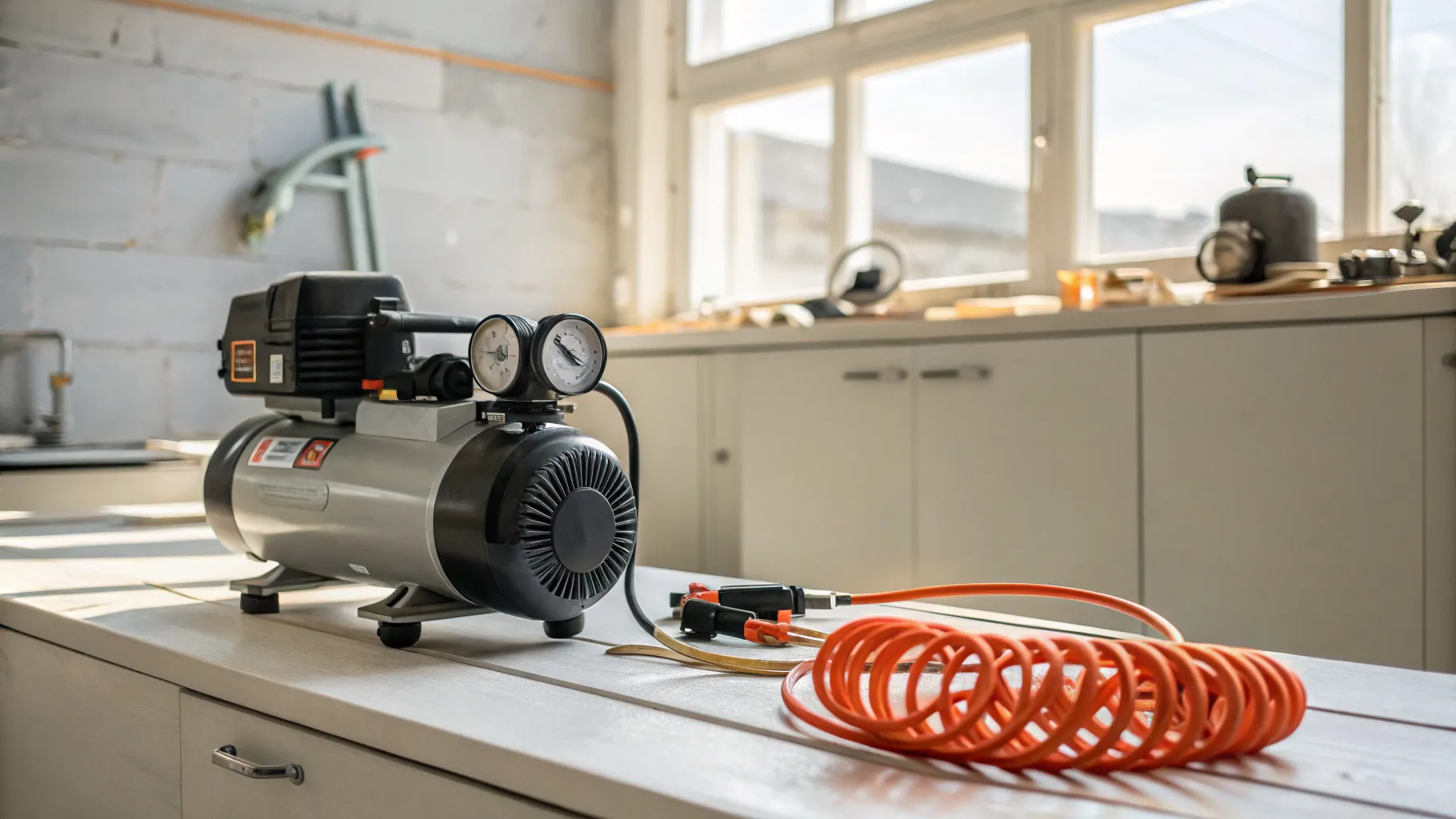
Best Portable Air Compressors: Picks by Job (2026)
Real portable air compressor picks by job, from tire inflation to framing, with the CFM at 90 PSI, tank size, and noise specs that actually decide it.
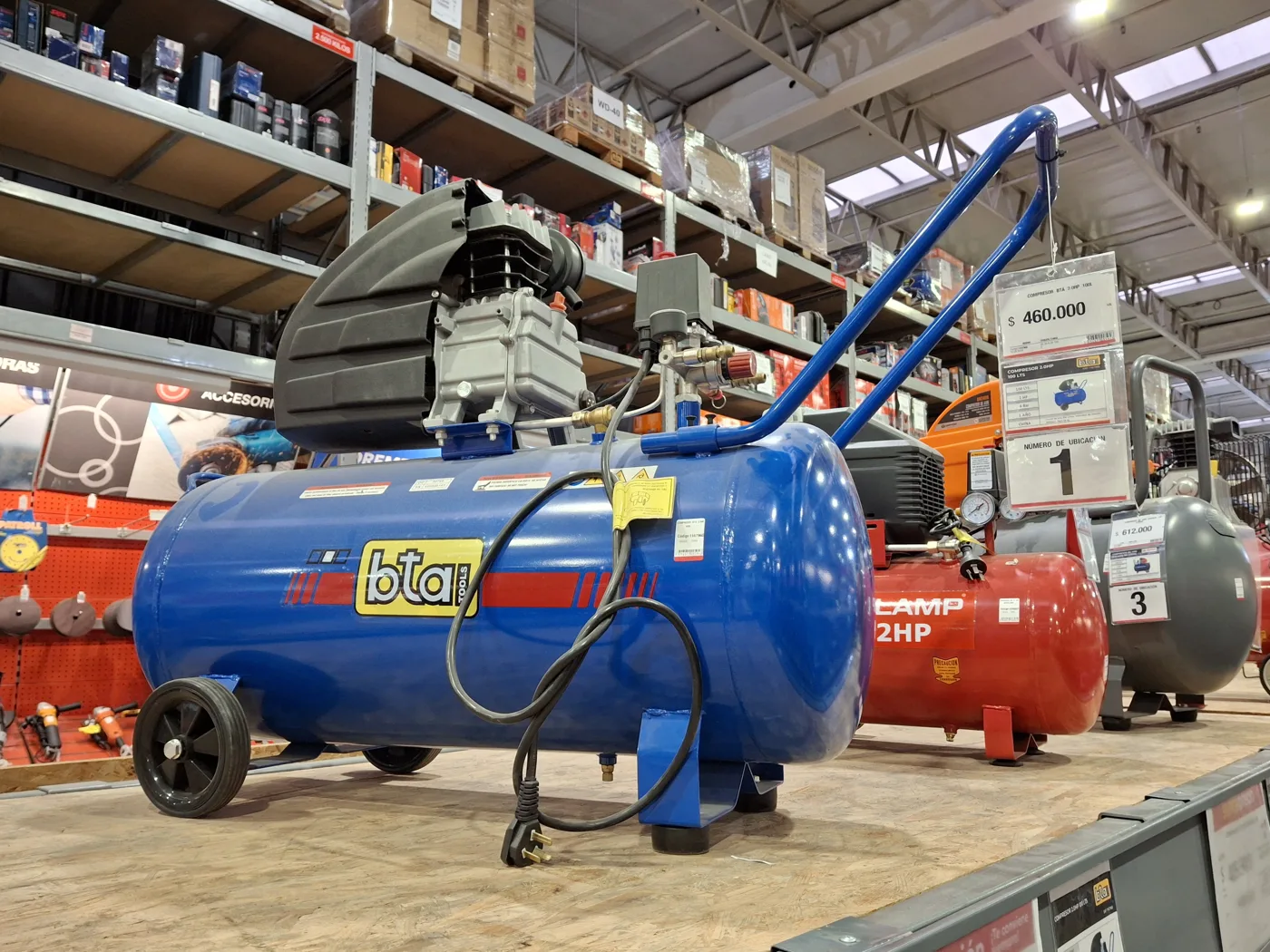
CFM Explained: How to Choose a High CFM Air Compressor for Your Tools
How to read CFM ratings and pick a high CFM air compressor: the 90 PSI standard, SCFM, a tool chart, and when you need 10, 20 or 50 CFM.
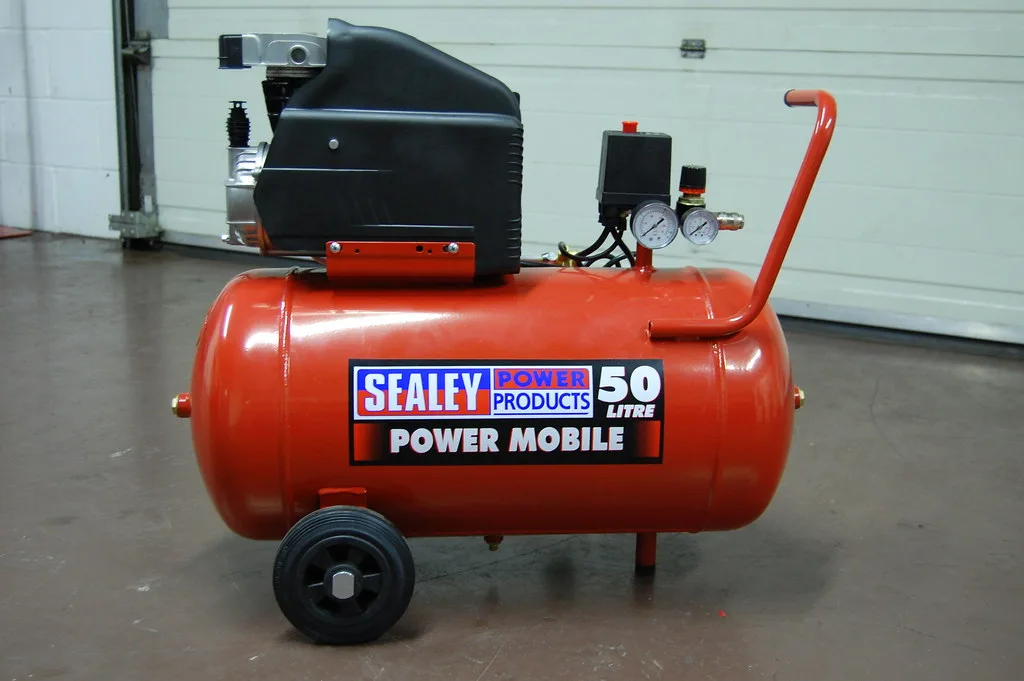
Best 30 Gallon Air Compressors for Workshops
The best 30 gallon air compressor picks for a home workshop, compared on CFM, max PSI, single-stage pumps and 120V wiring so you match the unit to your tools.