Tire Inflation Time Calculator: Minutes to Fill a Tire
Enter your tire size, the pressure you are starting from and the pressure you want, plus your compressor's airflow, and this works out how much air the job takes and roughly how long it will run. The key point: a 35-inch off-road tire holds roughly four times the air of a compact car tire, so an inflator that tops up a sedan in under a minute can need several minutes per tire after airing down for the trail.
Tire inflation time calculator
How the calculator works
A tire is treated as a ring: its outside diameter, minus the rim, times the section width. For a metric size the sidewall height is width times aspect ratio, and the overall diameter is the rim plus two sidewalls. A flotation size gives the overall diameter and width directly.
The air needed is that volume multiplied by the pressure rise divided by atmospheric pressure (14.7 PSI at sea level). Going from 0 to 35 PSI fills the tire with about 2.4 times its own volume in free air. Divide that by the compressor's CFM and you have the run time. If you have a charged tank, the air stored above your target pressure goes in first and the compressor only has to make up the rest.
The ring shape ignores the rounded shoulders and the thickness of the rubber, so it overstates the air inside a real tire. That is deliberate: the times shown lean long, which is the safe side when you are deciding whether a 12-volt inflator will get you off the trail before dark.
Why real times can differ
- Output falls as pressure rises. Small piston pumps deliver less air near 40 PSI than at 0 PSI, so the last few PSI are the slowest.
- Duty cycle. Many portable inflators are rated to run for a set number of minutes before they need to cool. For a set of large tires, check the manual and plan rest breaks.
- Hose and chuck. A long, thin hose and a clip-on chuck restrict flow. A short 3/8 inch hose with a lock-on chuck helps.
- Warm tires read high. Set pressure when the tire is cold, or expect it to read a few PSI higher just after driving.
- Altitude. Thinner air at elevation means each cubic foot of intake holds less, so a pump takes a little longer than the sea-level figure here.
More from Air Compressor Mag
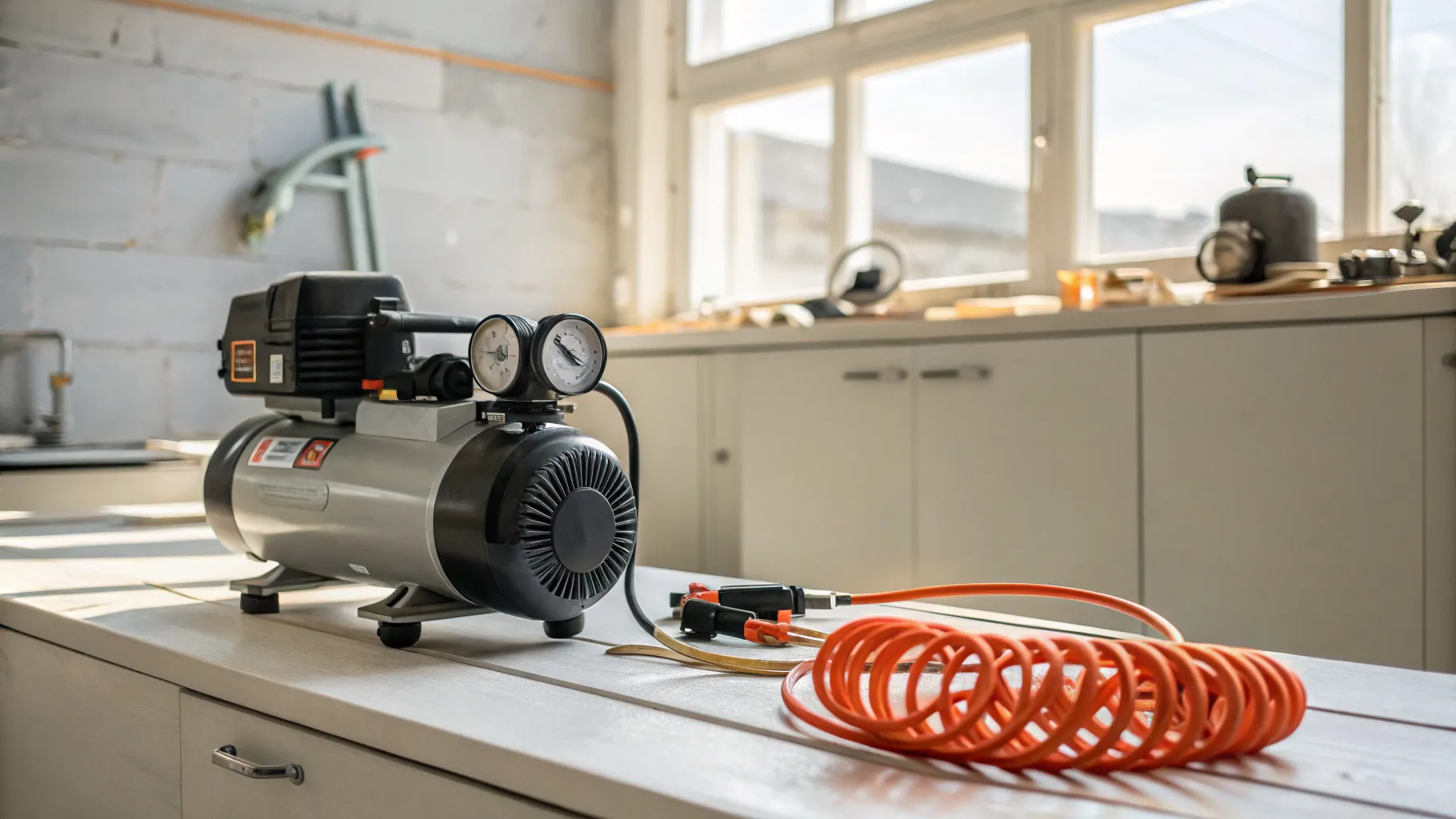
Best Portable Air Compressors: Picks by Job (2026)
Real portable air compressor picks by job, from tire inflation to framing, with the CFM at 90 PSI, tank size, and noise specs that actually decide it.
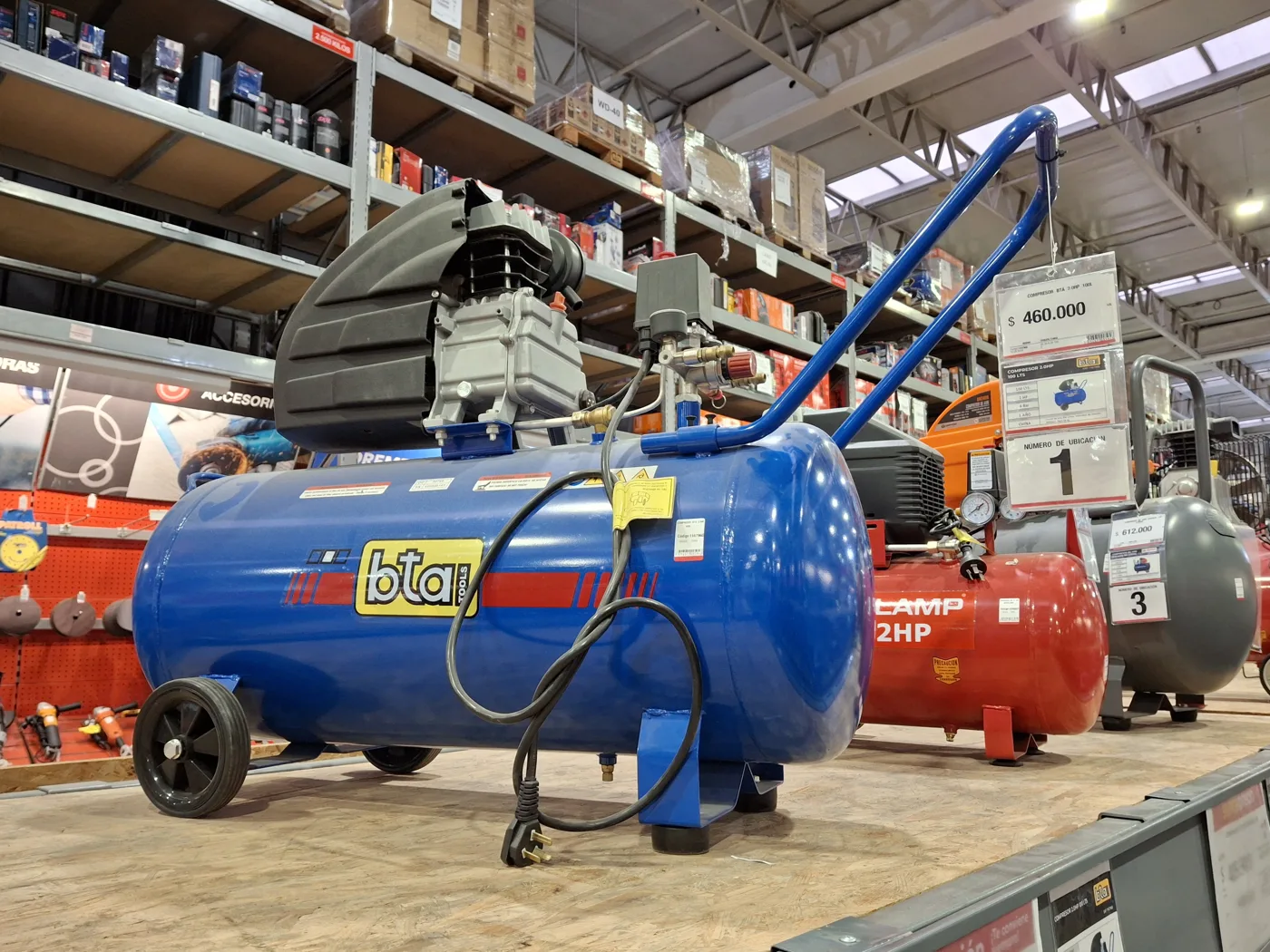
CFM Explained: How to Choose a High CFM Air Compressor for Your Tools
How to read CFM ratings and pick a high CFM air compressor: the 90 PSI standard, SCFM, a tool chart, and when you need 10, 20 or 50 CFM.
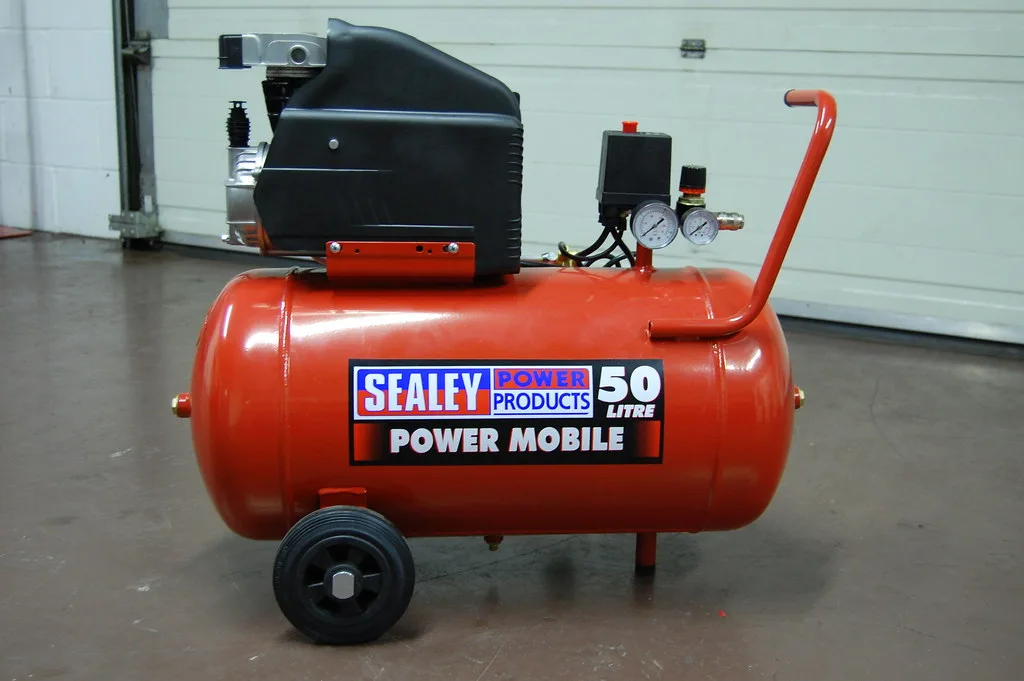
Best 30 Gallon Air Compressors for Workshops
The best 30 gallon air compressor picks for a home workshop, compared on CFM, max PSI, single-stage pumps and 120V wiring so you match the unit to your tools.