Sandblasting CFM Calculator: Compressor Size by Nozzle
Sandblasting is the one job that will out-eat almost any shop compressor, because the nozzle is an open hole that flows air continuously. Enter the nozzle orifice and the pressure you blast at, and this tool returns the free air the nozzle swallows, the compressor size to feed it, and the largest nozzle your existing machine can hold. The number that catches people out is wear: once a 1/4 in nozzle opens up by 1/16 in, it needs about 56% more air to do the same work.
How the numbers are worked out
A blast nozzle runs choked: above about 13 PSI on the gauge the air leaves the throat at the speed of sound, so the flow depends on the orifice area and the absolute pressure behind it, not on what is downstream. The calculator uses that relationship, with a discharge coefficient of 0.85 for a normal venturi nozzle. Set against Clemco's published consumption chart it reads slightly high, by about 1% on a No. 5 and by up to 10% on a No. 2, which is the direction you want a sizing tool to miss in. Two consequences fall straight out of the math:
- Area, not diameter, sets the appetite. Going up one nozzle number, say a No. 4 to a No. 5, is a 56% jump in air, because the hole area rises with the square of the bore.
- Pressure is close to linear. Dropping from 100 PSI to 80 PSI saves around 17% of the air, but it also cuts the cleaning rate, which is why starving the nozzle is the worst way to save air.
Size for the worn nozzle, not the new one
Abrasive erodes the throat from the moment you pull the trigger. Silicon carbide liners last longer than aluminum oxide, and boron carbide longer again, but they all open up. Most blasters replace a nozzle when the orifice has grown by 1/16 in, and by then the air demand has climbed by a quarter to well over half, depending on where you started. That is the whole reason the default margin here is 50%: a compressor sized exactly to a fresh nozzle is undersized within weeks, and you will feel it as sagging pressure and slower work rather than as an obvious fault.
Measure the pressure at the nozzle
The gauge on the tank is not the pressure doing the work. Every fitting, every foot of blast hose and every restriction in the moisture separator costs you pressure, and the loss grows with the flow you are pushing. A hypodermic needle gauge pushed into the blast hose near the nozzle holder is the honest reading, and it is usually 10 to 20 PSI below the pot gauge on a hobby setup. If the gap is bigger than that, the hose or the couplers are too small for the nozzle.
Related reading: the best air compressors for sandblasting for machines in the right class, the hose size and pressure drop calculator to check what your hose is costing you, and the CFM guide if the SCFM ratings on spec sheets are not comparing like with like. If the compressor you need turns out to be a big one, the breaker and wire size calculator covers the supply it will want.
More from Air Compressor Mag
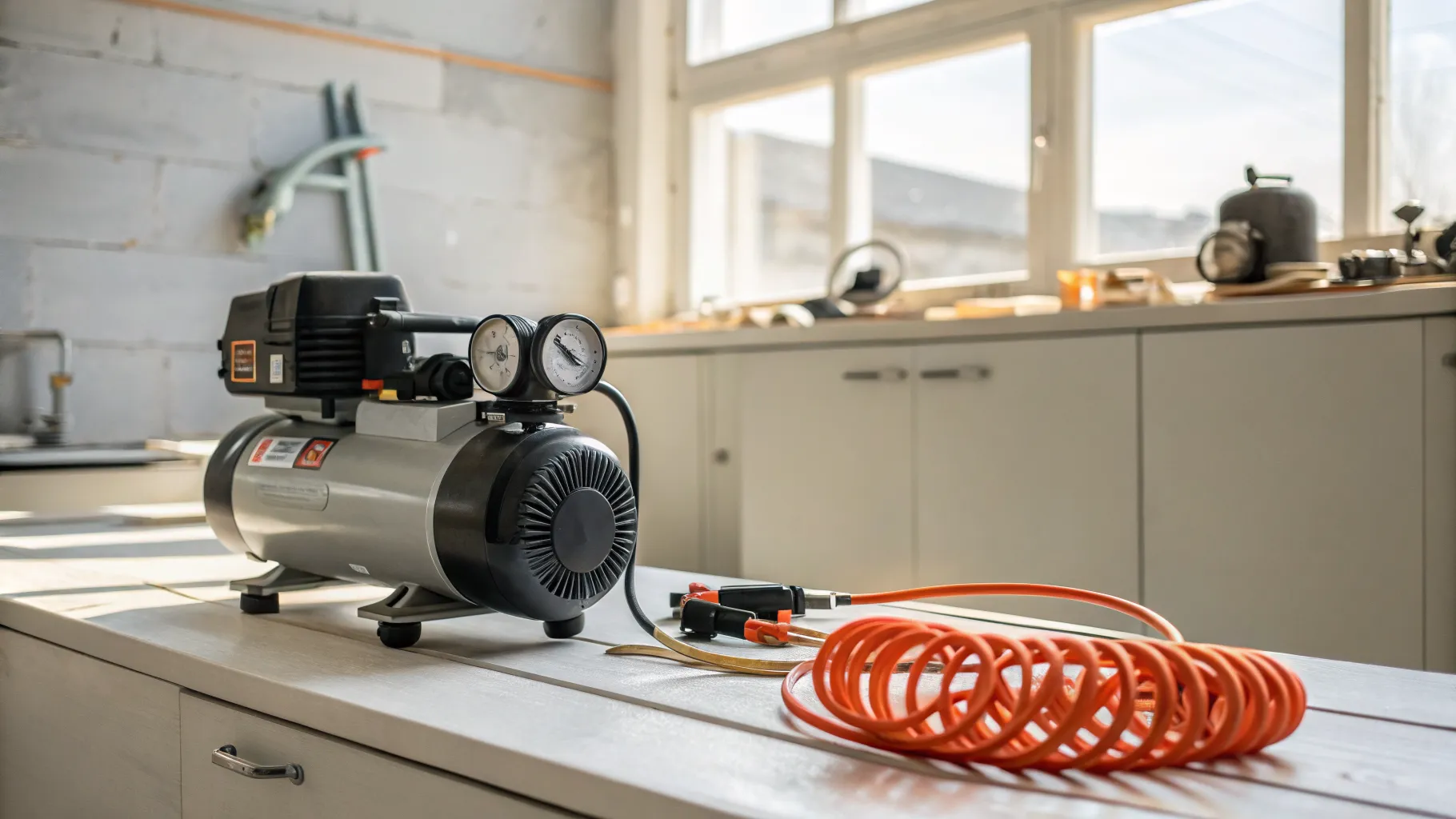
Best Portable Air Compressors: Picks by Job (2026)
Real portable air compressor picks by job, from tire inflation to framing, with the CFM at 90 PSI, tank size, and noise specs that actually decide it.
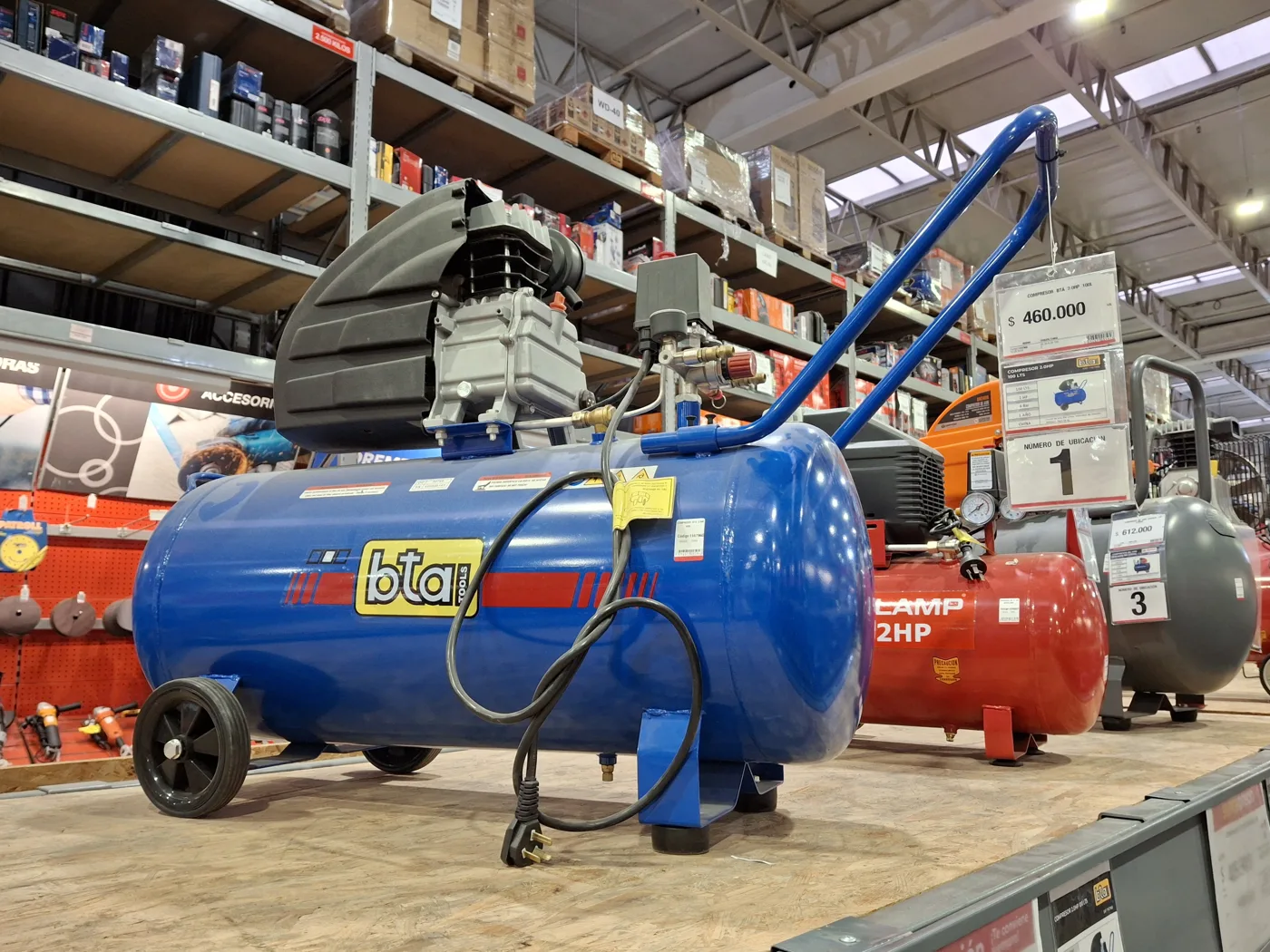
CFM Explained: How to Choose a High CFM Air Compressor for Your Tools
How to read CFM ratings and pick a high CFM air compressor: the 90 PSI standard, SCFM, a tool chart, and when you need 10, 20 or 50 CFM.
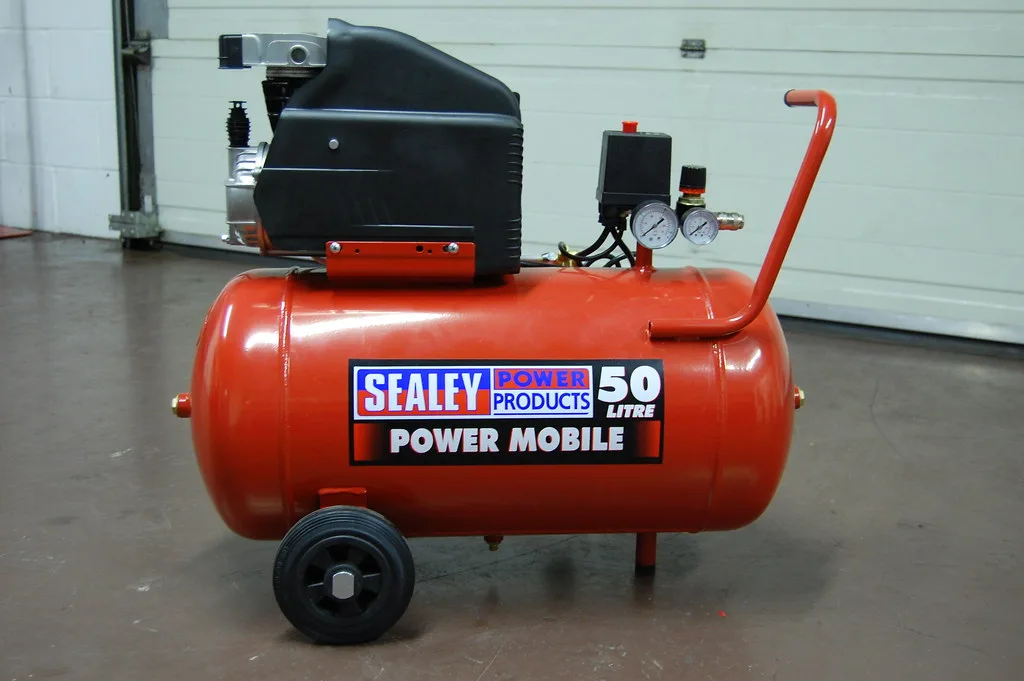
Best 30 Gallon Air Compressors for Workshops
The best 30 gallon air compressor picks for a home workshop, compared on CFM, max PSI, single-stage pumps and 120V wiring so you match the unit to your tools.