How Much Water Does an Air Compressor Produce? Calculator
Every compressor is also a dehumidifier. The air it swallows carries water vapor, and squeezing that air to 100 PSI packs the same water into roughly an eighth of the space, so most of it has to fall out as liquid. Enter your compressor output, the hours it runs and the weather in your shop, and this tool estimates the water you make in a day and, more usefully, where it lands: in the tank where you can drain it, or in the pipework where it reaches your tools.
Where the numbers come from
Air holds water as an invisible vapor, and how much it can hold depends only on its temperature. Warm air holds a lot, cold air holds very little. The calculator starts by working out the moisture in your intake air from the temperature and humidity you entered, using the standard saturation curve for water vapor. At 80 degrees F and 75% humidity that comes to about 0.0165 pounds of water in every pound of dry air, which sounds like nothing until you remember how many pounds of air a compressor moves.
Then it compresses that air. At 100 PSI on the gauge the absolute pressure is 7.8 times atmospheric, so the same water is crammed into a fraction of the volume, and the air is left holding far more than it can carry. The excess condenses as the air cools in the aftercooler, the tank and the pipe run. Feeding those conditions in gives roughly 73% of the incoming moisture wrung out by the time the air has cooled back to 95 degrees F, with more falling out as the pipework brings it down to room temperature.
Two things the tool does not model: altitude, which thins the intake air and lowers the figures slightly, and the water your tools throw off when the air expands and chills at the outlet. Both push in the same direction, so treat the answer as a working estimate rather than a measurement.
An aftercooler does not make less water, it makes it somewhere better
Run the calculator twice, once with an aftercooler and once without, and the daily total barely moves. That is not a bug. The water content is set by the intake air and the final temperature the air reaches, and in both cases the air eventually cools to shop temperature. What changes is the split. Without an aftercooler, hot air carries its moisture past the tank drain and dumps it further down the line, in your hose, your regulator and your tool. With one, most of it collects in the tank where a drain valve can get rid of it.
That is the practical point of the second row in the results table. Water measured in the pipes is water that will reach whatever you have plugged in. A water separator only works on liquid that has already condensed, so mounting one right at a hot tank outlet catches very little. Give the air a run of pipe to cool first, then take the drop.
What the leftover vapor means for spraying and cutting
The last row of the table is the moisture still traveling as vapor when the air reaches the tool. For nailing, inflating and running an impact wrench, nobody cares. For spraying paint, plasma cutting or feeding a laser cutter, that vapor is the difference between a clean finish and fisheyes, or between a clean cut and a wrecked consumable. Those jobs are why a dryer exists: select the refrigerated dryer option and watch the vapor figure collapse, because the dryer chills the air below anything it will meet downstream and takes the water out first.
Drain it, and drain it often
Whatever the number says, it is sitting on steel. Condensate is mildly acidic and it eats tanks from the inside, which is how a tank fails without warning. If the calculator shows a meaningful daily figure, open the drain at the end of every day the compressor runs, not once a month. The draining walkthrough covers doing it safely, the drain valve guide covers upgrading a seized petcock to an automatic drain, and the filter guide covers what goes after the separator. If you want to check how much air you are actually moving in the first place, start with the CFM guide.
More from Air Compressor Mag
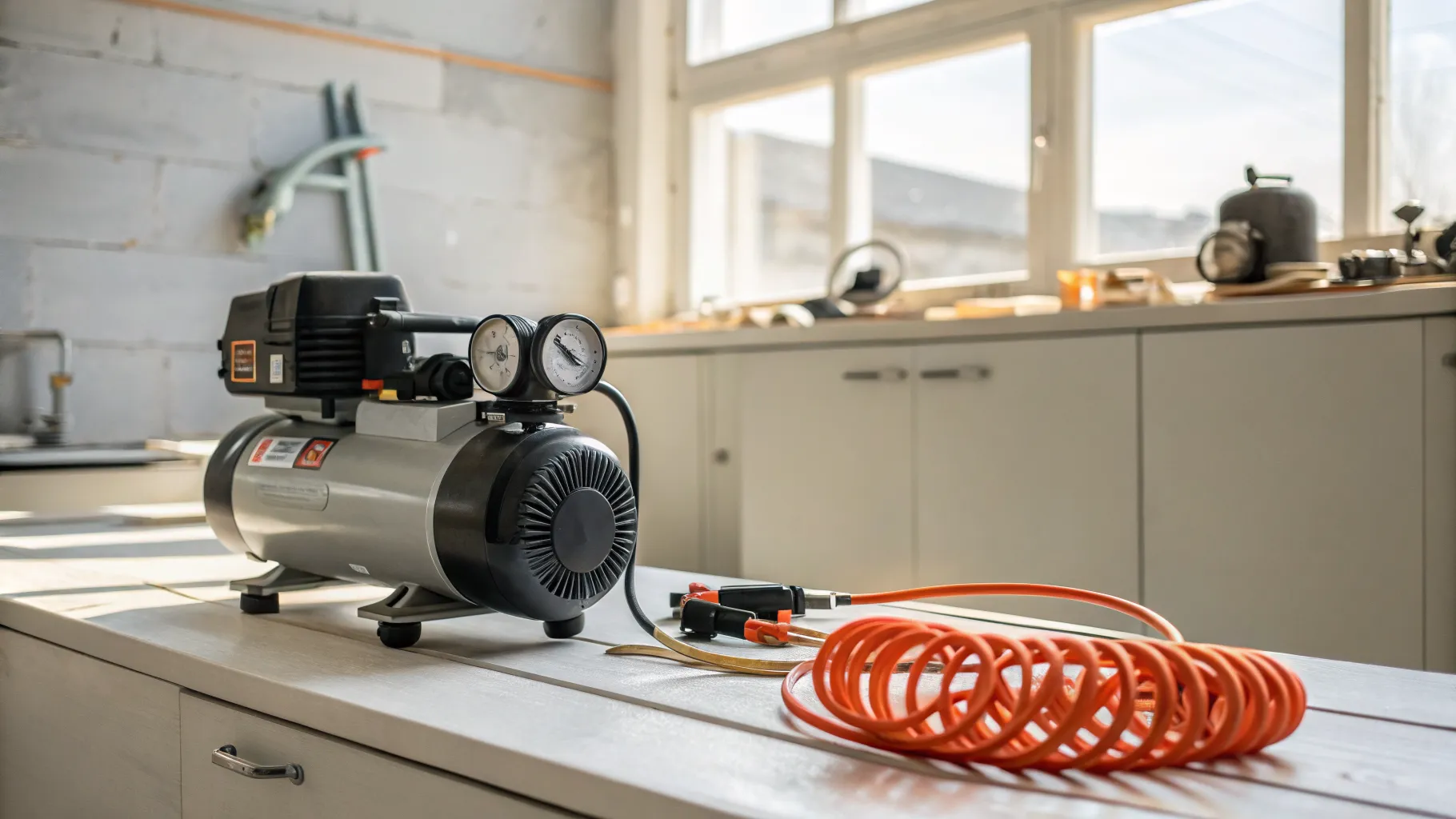
Best Portable Air Compressors: Picks by Job (2026)
Real portable air compressor picks by job, from tire inflation to framing, with the CFM at 90 PSI, tank size, and noise specs that actually decide it.
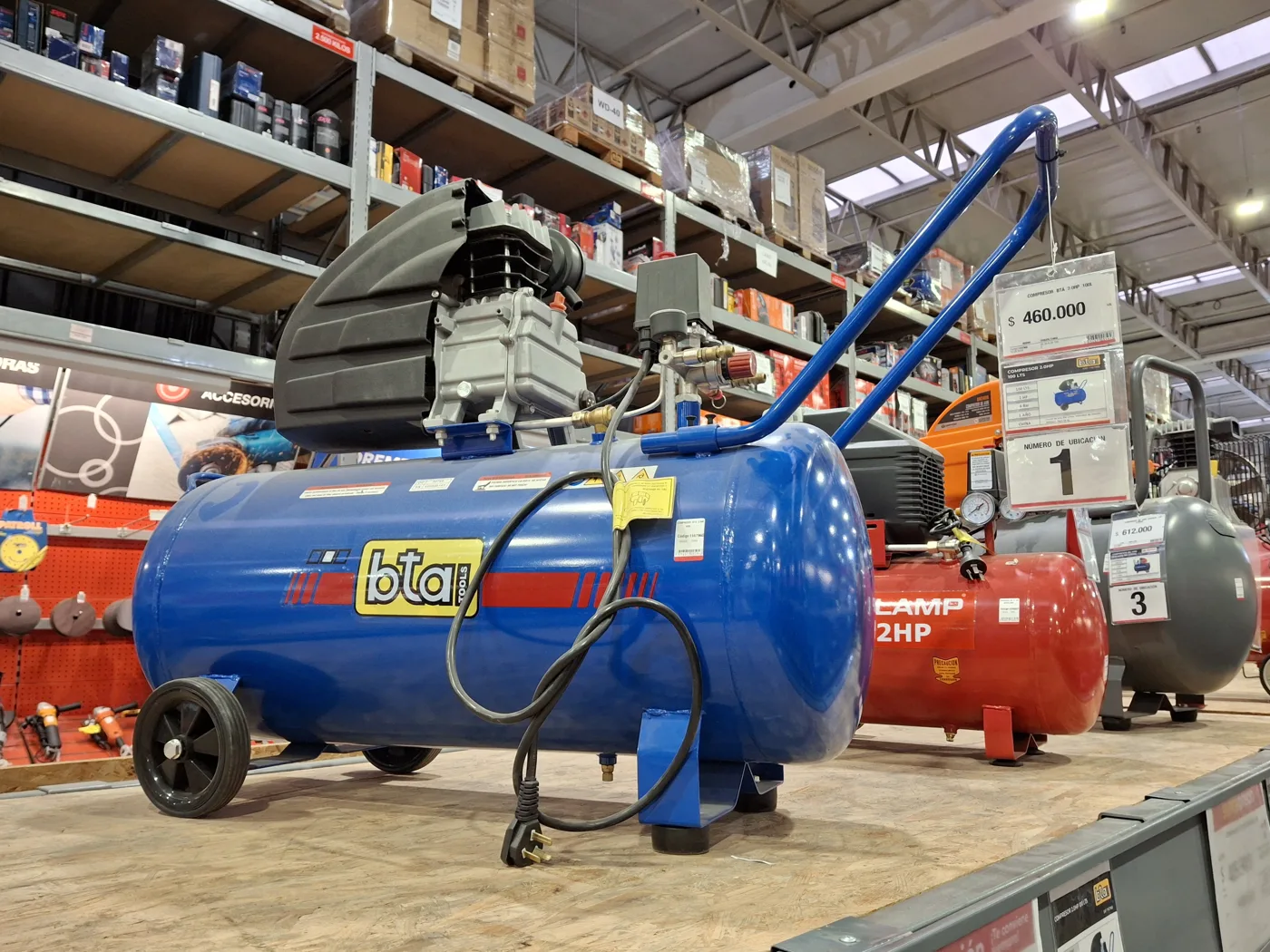
CFM Explained: How to Choose a High CFM Air Compressor for Your Tools
How to read CFM ratings and pick a high CFM air compressor: the 90 PSI standard, SCFM, a tool chart, and when you need 10, 20 or 50 CFM.
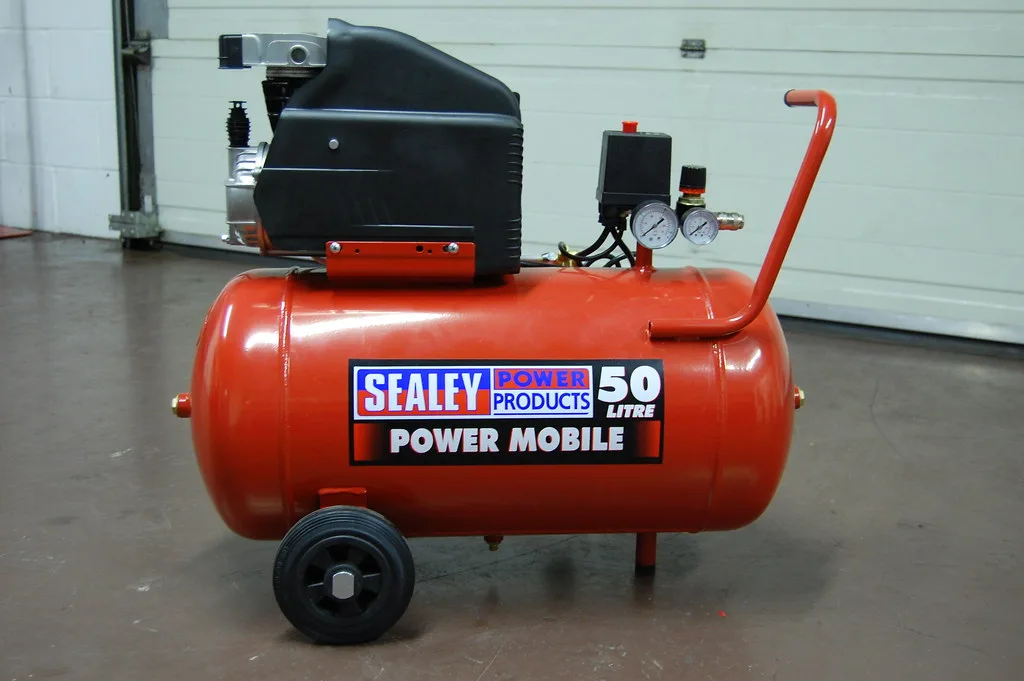
Best 30 Gallon Air Compressors for Workshops
The best 30 gallon air compressor picks for a home workshop, compared on CFM, max PSI, single-stage pumps and 120V wiring so you match the unit to your tools.